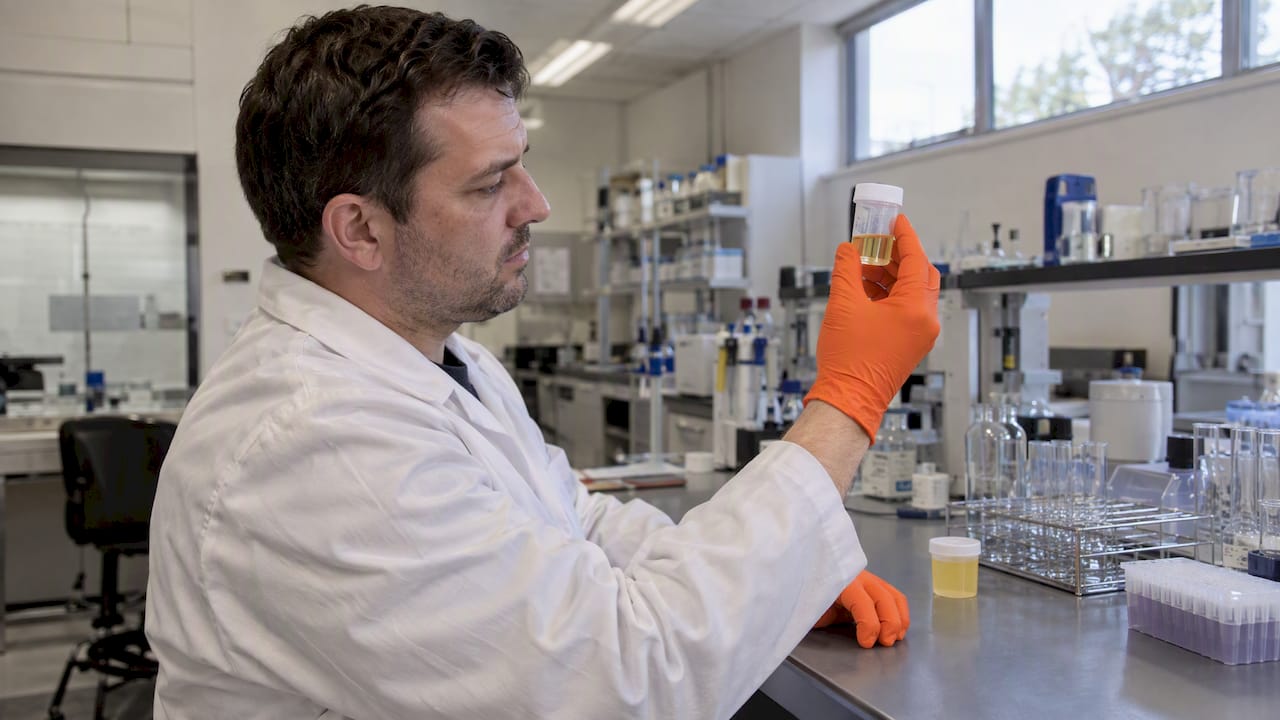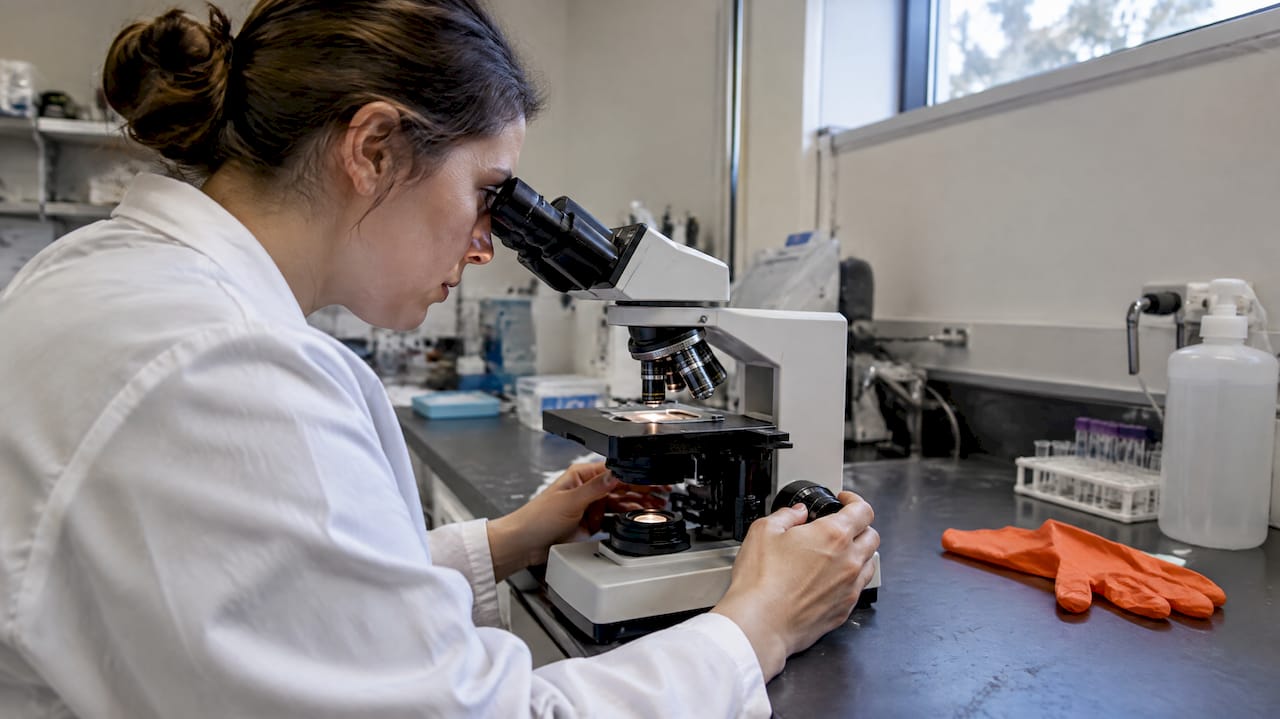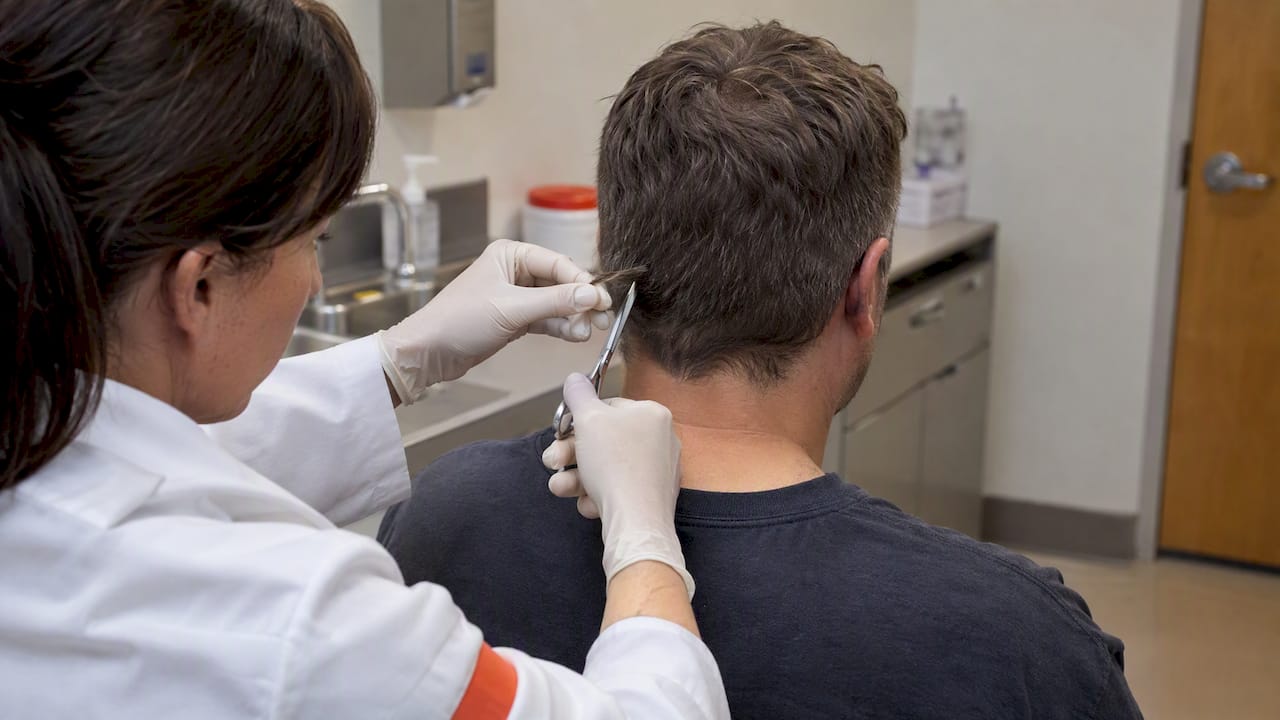
Hardest Drug Test: Hair Looks Back Months, but Has a 7–10 Day Lag
Compare hair, urine, oral fluid, blood, and sweat tests by detection windows and tamper resistance, with hair’s 7–10 day lag and collection details.
Read more
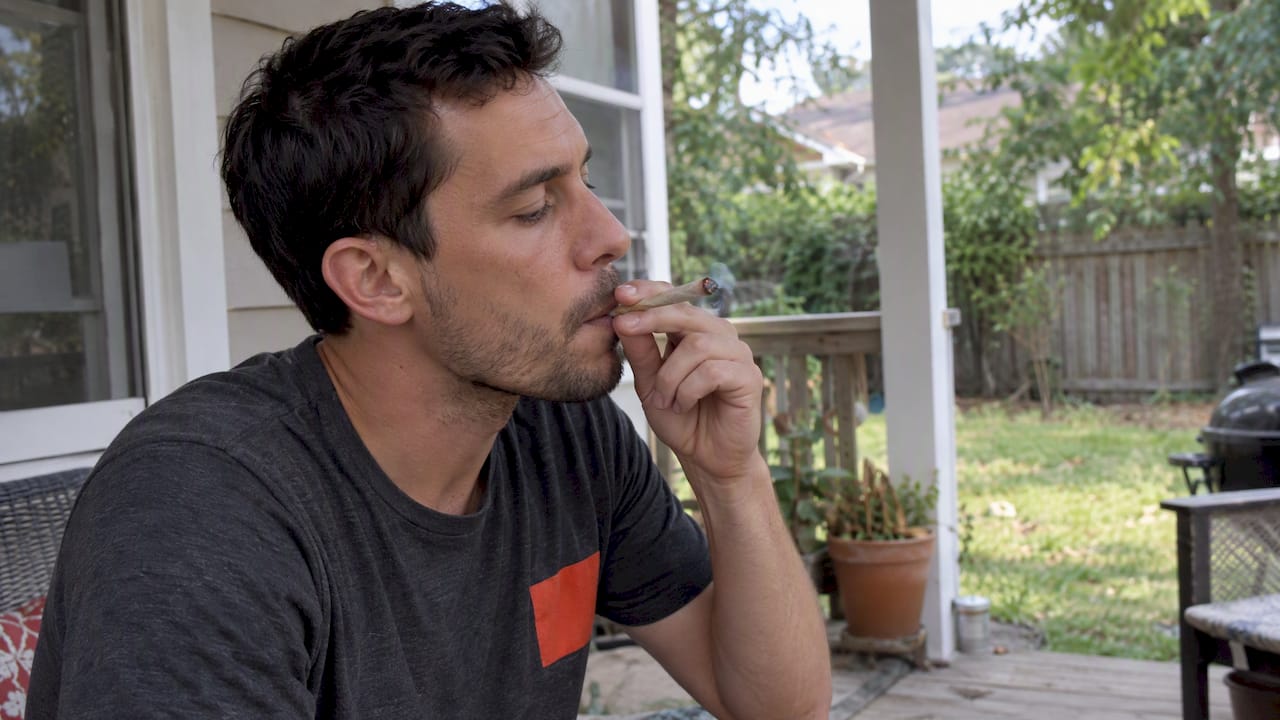
Compare hair, urine, oral fluid, blood, and sweat tests by detection windows and tamper resistance, with hair’s 7–10 day lag and collection details.
Read more
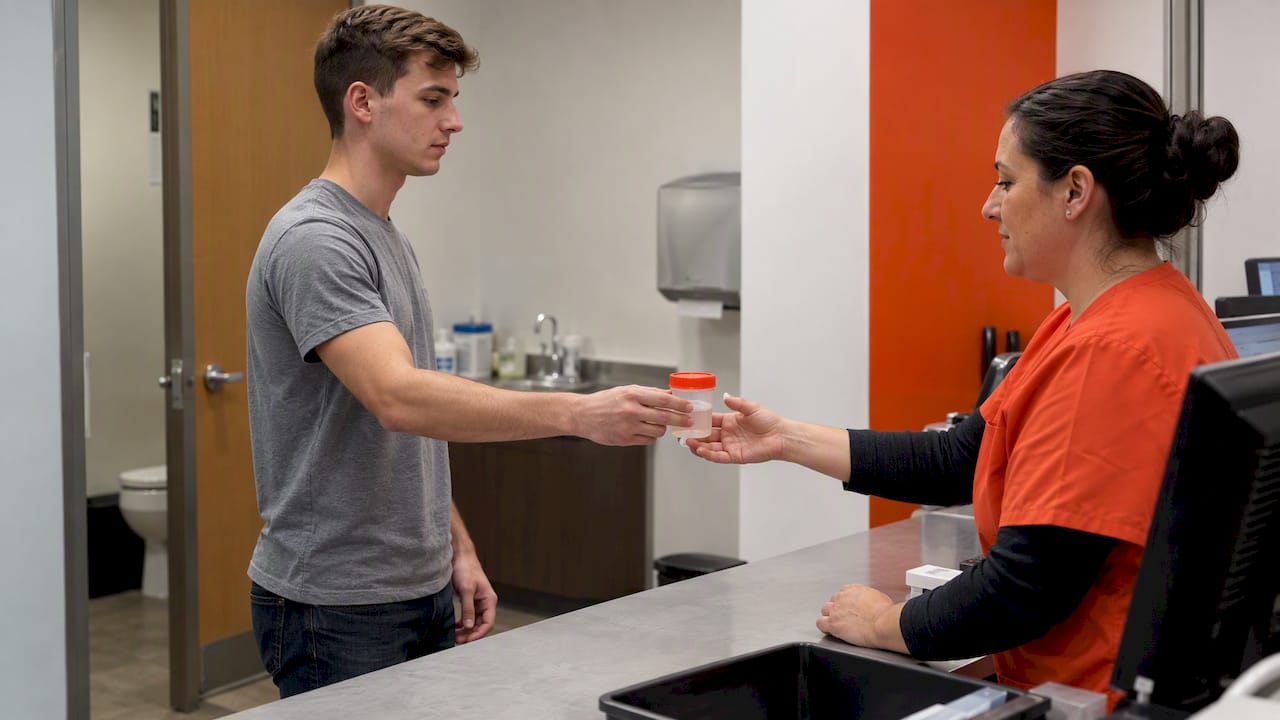
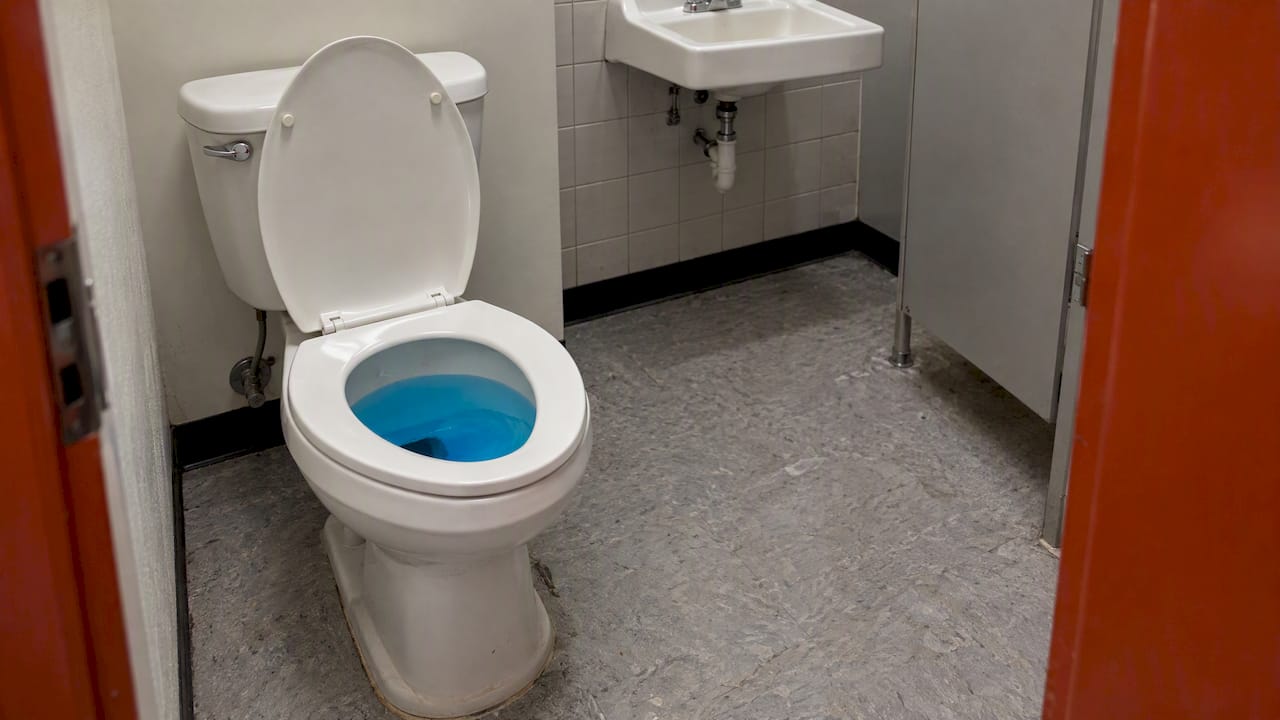
Learn why U.S. collection sites use blue toilet water, what 49 CFR Part 40 and SAMHSA guidance require, and what donors should do if a specimen looks blue.
Read more
After one smoked cannabis session, urine tests may still be positive. Learn how cutoffs, workplace and DOT rules, and MRO procedures shape your next steps.
Read more
Learn who faces military drug testing, how urine, hair, and oral fluid tests work, and what a confirmed positive can trigger under U.S. rules.
Read more
Learn how urine validity checks use HHS/DOT cutoffs to flag dilution and tampering, and where emerging biomarker tests can catch what routine screens miss.
Read more
Synthetic urine may pass basic validity checks, but biomarker tests can detect fakes. Learn what lab testing, DOT rules, and flagged samples mean.
Read more
THC COOH is an inactive cannabis metabolite that can linger in urine. Learn how screening, confirmation, cutoffs, and detection windows shape results.
Read more
Learn what an adulterated drug test means under federal rules, how labs detect tampering, why results may count as a refusal, and what to do next.
Read more
Facing a blood draw? Evidence-first guide to blood THC detection: typical 7–13 hour and possible 30-day windows, how lab LOQs affect results, and what to…
Read more
Learn when secondhand cannabis smoke can cause a positive test, why a 50 ng/mL urine cutoff usually blocks passive positives, and what to do to lower your…
Read more
A science backed primer explaining why routine four point checks often miss preservatives and how labs use enzyme, metabolite, and LCMS panels to detect…
Read more
THC stores in fat and can re-enter blood during lipolysis, but human studies show only small, brief spikes. Practical, test-specific guidance for…
Read more