
THC Stored in Fat: Why It Rarely Causes a Positive Workplace Drug Test
Yes: THC is stored in body fat because it is lipophilic, and that storage can lengthen detection windows, especially for frequent users. Under strong lipolytic stress, small amounts of stored THC can re-enter the bloodstream, but getting high again from that release is rare and poorly documented in humans. Urine tests measure THC-COOH, a metabolite, not the parent compound, which matters for how these releases actually affect results.
TL;DR:
- Significant fat storage of THC occurs in frequent users, but reintoxication from fat mobilization is rare and unlikely to cause a high.
- Lipolytic triggers like fasting or exercise only produce small, temporary increases in plasma THC levels in humans, with minimal impact on drug tests.
- Urine tests mainly detect the inactive metabolite THC-COOH, which accumulates over prolonged periods in heavy users, extending detection windows.
- Detection times vary widely based on use frequency, body fat percentage, metabolism, and health, with heavy, daily use lasting several weeks in urine tests.
- Light activity or fasting does not substantially accelerate THC clearance or improve chances of passing drug tests.
Table of Contents
- How THC gets stored in fat: what lipophilic storage looks like
- What mobilizes stored THC: lipolysis, exercise, fasting, and stress
- What this means for blood, urine, hair, and saliva tests
- Factors that change how fast THC clears your system
- Practical guidance: separating what works from what doesn’t
- Trust the evidence, not the detox hype
- Resources if you’re preparing for a test
- FAQ
- Sources
How THC gets stored in fat: what lipophilic storage looks like
THC dissolves readily in fat and poorly in water, so once it leaves the bloodstream it partitions into adipose tissue rather than staying in circulation. This isn’t simple trapping: THC moves into fat cells through passive diffusion, following concentration gradients, and it can move back out the same way when conditions change. The amount that accumulates depends heavily on how often someone uses cannabis and how much body fat they carry.
Older forensic and human tissue reports have found THC detectable in fat biopsies for an extended stretch after last use, and prolonged positive urine samples in heavy users point toward the same long-term adipose reservoir. These findings line up with animal research showing that lipolysis increases the release of THC from fat stores, raising both blood THC and THC-COOH in rats that had been pre-exposed to the drug.
A few distinctions matter for interpreting any of this:
- Parent THC is the psychoactive compound; it’s what would need to rise meaningfully to cause any subjective effect.
- THC-COOH is the inactive metabolite urine tests screen for, and it behaves differently in the body than parent THC.
- Storage duration scales with use history. Someone who used once has a far smaller reservoir than someone who used daily for months.
What mobilizes stored THC: lipolysis, exercise, fasting, and stress
Lipolysis is the breakdown of stored fat into free fatty acids, triggered by hormones like adrenaline and adrenocorticotropic hormone (ACTH), or by physiological states such as fasting, intense exercise, or significant weight loss. When fat cells break down, whatever is dissolved inside them, including stored THC, can theoretically spill back into the bloodstream alongside the fatty acids.
The clearest evidence for this comes from animal research. In rats pretreated with THC, 24-hour food deprivation and ACTH exposure both increased plasma THC and THC-COOH levels, confirming that lipolytic triggers can pull cannabinoids out of fat and back into circulation.
Human data tell a more modest story. A controlled trial in chronic users found that a 45-minute session of moderate exercise produced only small, transient increases in plasma THC, and 24 hours of food deprivation caused no major shift in serum or urine cannabinoid levels.
- Animal studies: pronounced, measurable THC release under lipolytic stress.
- Human studies: brief, minor plasma increases that typically resolve within hours.
Moderate exercise sessions in regular cannabis users cause only small, short-lived increases in plasma THC, not a sustained spike, according to the same human exercise trial.
What this means for blood, urine, hair, and saliva tests
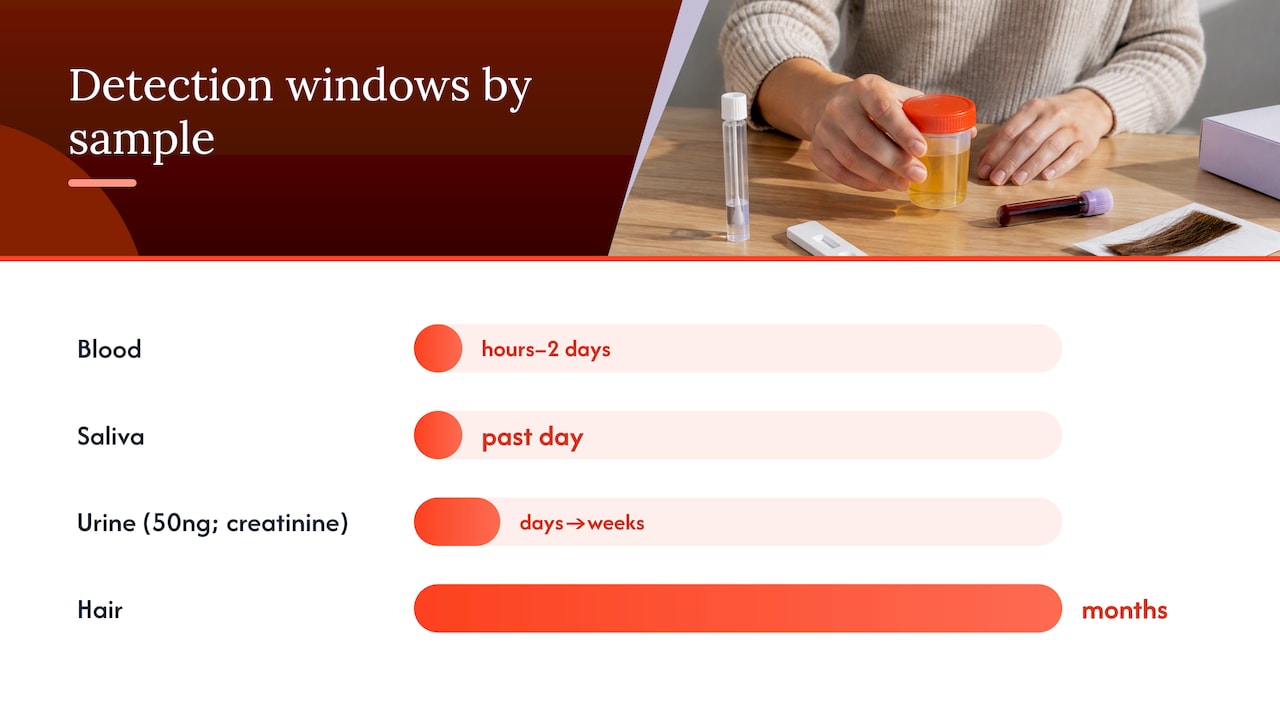
Drug tests don’t all measure the same thing, and that distinction explains why a brief plasma fluctuation rarely matters in practice. Blood tests can detect active THC and its first metabolite, 11-OH-THC, reflecting recent use. Urine tests instead screen for THC-COOH, which accumulates over time and clears slowly. Hair testing captures a long historical window because cannabinoids bind into the hair shaft as it grows. Saliva testing picks up recent oral exposure and clears faster than urine.
- Blood: detects active THC, reflecting use within hours to a day or two.
- Urine: detects THC-COOH, with windows ranging from a few days for occasional users to several weeks or longer for frequent, heavy users.
- Hair: can reflect cannabinoid exposure going back months, since it grows slowly and traps compounds over time.
- Saliva: generally reflects very recent use, often within the past day or so.
Dose and route change these windows too. Controlled oral dosing studies show that THC-COOH’s peak concentration and the time it takes to peak both vary with dose, which is part of why edibles sometimes produce later and longer urinary detection than smoking an equivalent amount.
Labs don’t just look at a raw number either. Standard urine screening commonly uses a cutoff around 50 nanograms per milliliter, and results are often adjusted using creatinine normalization to account for how diluted or concentrated a sample is. The ACMT position statement on urine interpretation lays out these procedural safeguards, which is part of why a brief, small increase in circulating THC from light exercise or a skipped meal is unlikely to push a borderline sample over a standard cutoff. For a breakdown of how these windows apply across test types, our guide to THC detection times covers the specifics in more depth.
Pro Tip: If you’re facing a scheduled urine test, your use history matters far more than any last-minute workout or fast.
Factors that change how fast THC clears your system
Elimination speed isn’t a single number. It shifts based on several variables that interact with each other, and understanding them is more useful than chasing a one-size-fits-all timeline.
- Frequency and cumulative dose: Daily or near-daily use builds a much larger fat reservoir than occasional use, extending detection windows considerably.
- Body fat percentage: More adipose tissue means more storage capacity, but a bigger reservoir doesn’t translate into a proportionally longer detection time. It’s a contributing factor, not a direct multiplier.
- Metabolic and genetic variation: Liver enzymes in the cytochrome P450 family process THC at different rates between individuals. FABP1, a hepatic transport protein, mediates how THC moves and gets biotransformed in the liver, and animal models lacking it showed slower THC metabolism and longer tissue presence.
- Health conditions and interactions: Liver function, certain medications, and other drug interactions can all slow how quickly THC and its metabolites clear.
Our breakdown of THC half-life and what it means for testing walks through how these elimination rates actually compound over repeated use.
Practical guidance: separating what works from what doesn’t
Short bursts of exercise or sauna use produce only small, transient plasma increases in regular users, and human trials have found no meaningful effect on urine test outcomes. Fasting carries a similar profile: brief food deprivation hasn’t been shown to cause major shifts in urine cannabinoid levels, though extreme or rapid weight loss closer to a test may carry somewhat more risk, since it mobilizes fat stores more aggressively. Passive exposure to secondhand smoke is extremely unlikely to trigger a positive at standard cutoffs, and medical review officers generally reject passive-inhalation explanations for confirmed positives.
If you’re facing an upcoming test, a few steps are grounded in the actual evidence:
- Know your test type. Urine, hair, saliva, and blood all have different windows and different analytes.
- Abstain for as long as possible before the test. Time is the one factor every study agrees matters most.
- Hydrate normally, not excessively. Overhydration can trigger a dilute result flag rather than help you.
- Understand your use history honestly. Frequency drives your personal detection window more than any single behavior before the test.
Pro Tip: Skip the last-minute detox gimmicks. The research consistently points to abstinence duration and use history as the dominant factors, not a sauna session the night before.
Trust the evidence, not the detox hype
Facing a drug test is stressful, and that stress gets exploited by a market full of products promising instant results with little science behind them. The honest picture is less dramatic than the marketing suggests: fat storage matters, lipolysis can release small amounts of THC, but reintoxication from it is rare and detection windows are driven mostly by how often and how much someone used. Start with reliable, evidence-based resources before trusting a product’s claims.
— Michael
Resources if you’re preparing for a test
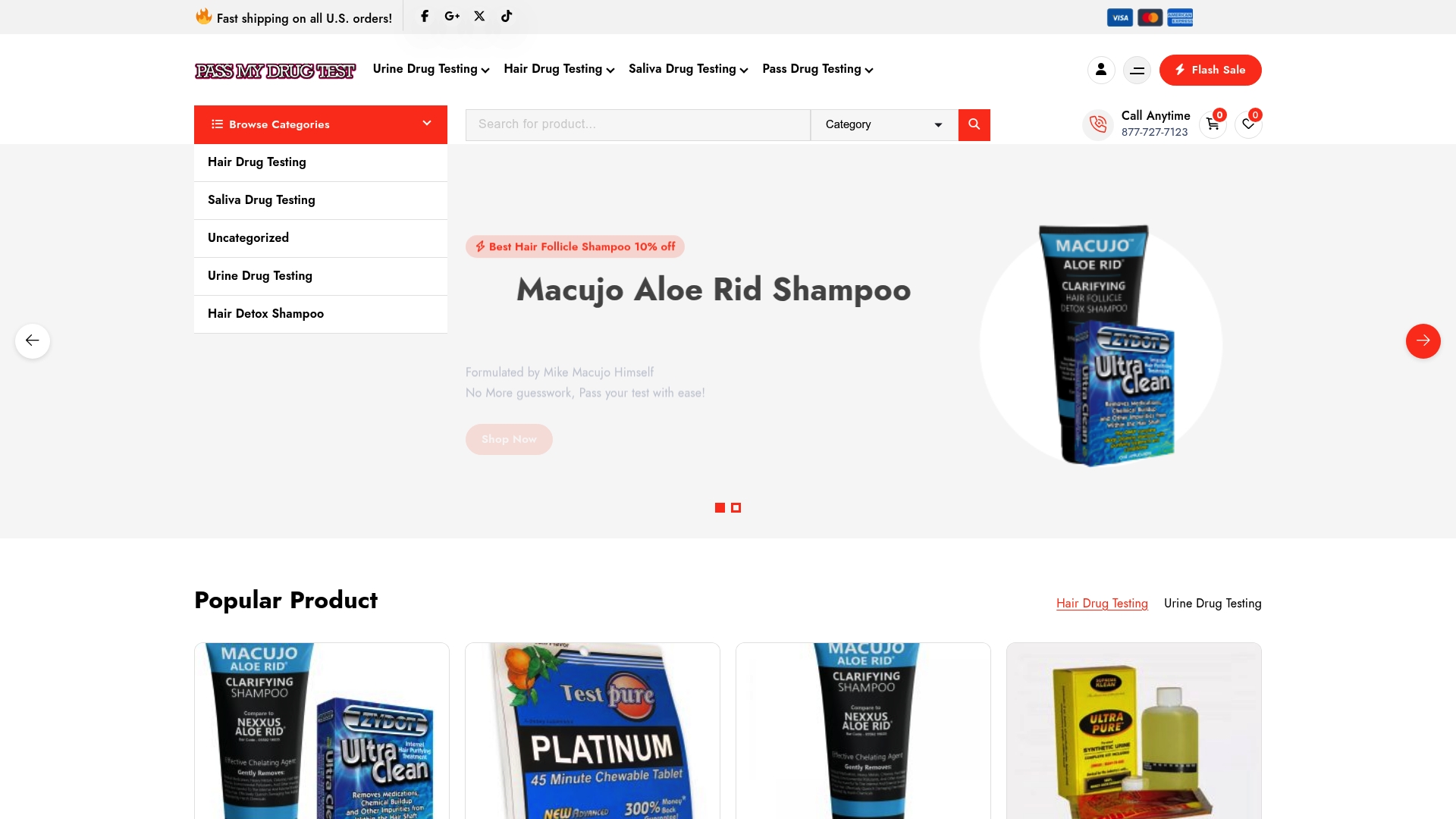
We built our site around the questions this article raises: what gets detected, for how long, and what actually helps. Our catalog covers hair drug testing, saliva drug testing, and urine drug testing kits, along with hair detox shampoos for people concerned about follicle testing.
- Shipping available on orders within the United States.
- Customer support provided during business hours to assist with product and test type questions.
- Educational pages, like our guide to passing a cannabis drug test, built to match products to your specific circumstances.
Browse our full product and resource library to find the option that fits what you’re actually facing.
This article is general information, not a substitute for advice from a qualified doctor. Consult a qualified healthcare professional about your own circumstances before acting on anything here.
FAQ
Can you get high off THC stored in fat?
In theory, strong lipolytic stress could release enough stored THC to cause a mild effect, but this has not been clearly demonstrated in controlled human studies. Human exercise and fasting trials found only small, transient plasma increases, far below what would be needed to cause noticeable intoxication.
How long does THC stay in a fat person?
Detection time depends far more on frequency and amount of use than on body fat alone, though more adipose tissue does provide more storage capacity. Heavy, frequent users can test positive on urine screens for several weeks after their last use, while occasional users typically clear THC-COOH within days, based on oral dosing pharmacokinetic data.
Does fasting remove THC from the body?
Short-term fasting does not appear to meaningfully speed up THC removal. A human trial involving 24 hours of food deprivation found no major change in serum or urine cannabinoid levels in chronic users.
Does exercise release THC from fat?
Moderate exercise can cause a small, short-lived rise in plasma THC in regular users, consistent with limited lipolytic release from fat stores. That increase is brief and has not been shown to meaningfully affect urine test outcomes at standard screening cutoffs.
Sources
- Reintoxication: the release of fat-stored Δ9-tetrahydrocannabinol (THC) into blood is enhanced by food deprivation or ACTH exposure
- FABP1 controls hepatic transport and biotransformation of Δ9-THC | Scientific Reports