the macujo method

Macujo Method Steps: Complete Hair Cleansing Guide

That sinking feeling when your whole future depends on one lab result.

Your job, your commercial driver’s license, custody of your children, or your probation officer’s approval—all riding on a hair test that can detect use going back 90 days or even longer.

It feels unfair. You’ve quit and turned things around, but your hair holds a record of the past, and now a test notice has you scrambling.

Desperate searches lead to one phrase over and over: the Macujo method steps.

It’s the intensive, multi-step chemical process discussed in forums as the heavy-duty solution for stripping drug metabolites from deep within the hair shaft. The original approach emerged in the late 1990s from someone facing the same pressure. Later, Mike Macujo refined it around 2015, aiming for better results across various substances, not just cannabis.

This guide serves as a practical troubleshooting resource. It doesn’t just list steps—it explains what commonly goes wrong, why the process can be uncomfortable, and how to handle this detailed, high-pressure routine without ruining your hair or your chances.

Let’s get into it.

Why Burning Scalp Doesn’t Guarantee Success—Is Your Macujo Failing?

You’re pushing through the discomfort. Your scalp feels irritated, possibly red or sensitive along the hairline. After hours of careful work, doubt creeps in about whether it’s actually effective.

Here’s the honest reality: the burning feeling is very common, but it’s not a dependable indicator that the method is working. Often, it just means something in the execution needs fixing.

Imagine getting a bad sunburn—it hurts, but it doesn’t mean you achieved anything positive; you just damaged your skin. The same idea applies here.

The Macujo method relies on a specific sequence of chemicals. Vinegar helps open the cuticle, the astringent clears surface buildup, and the detergent acts as a strong surfactant. Deviating from the plan, swapping products, or skipping skin protection turns it into random irritation with little benefit.

Failures usually trace back to shortcuts, incorrect items, or insufficient repetitions. You feel the effort, but the results fall short if the process isn’t followed precisely.

So if pain isn’t the signal, what is? A consistent, accurate step-by-step process.

Correct Macujo Method Steps and Ingredients: Avoiding Common Pitfalls

Success comes from precise execution with minimal room for mistakes. Here is the detailed walkthrough.

Required Ingredients (Stick to These—No Swaps)

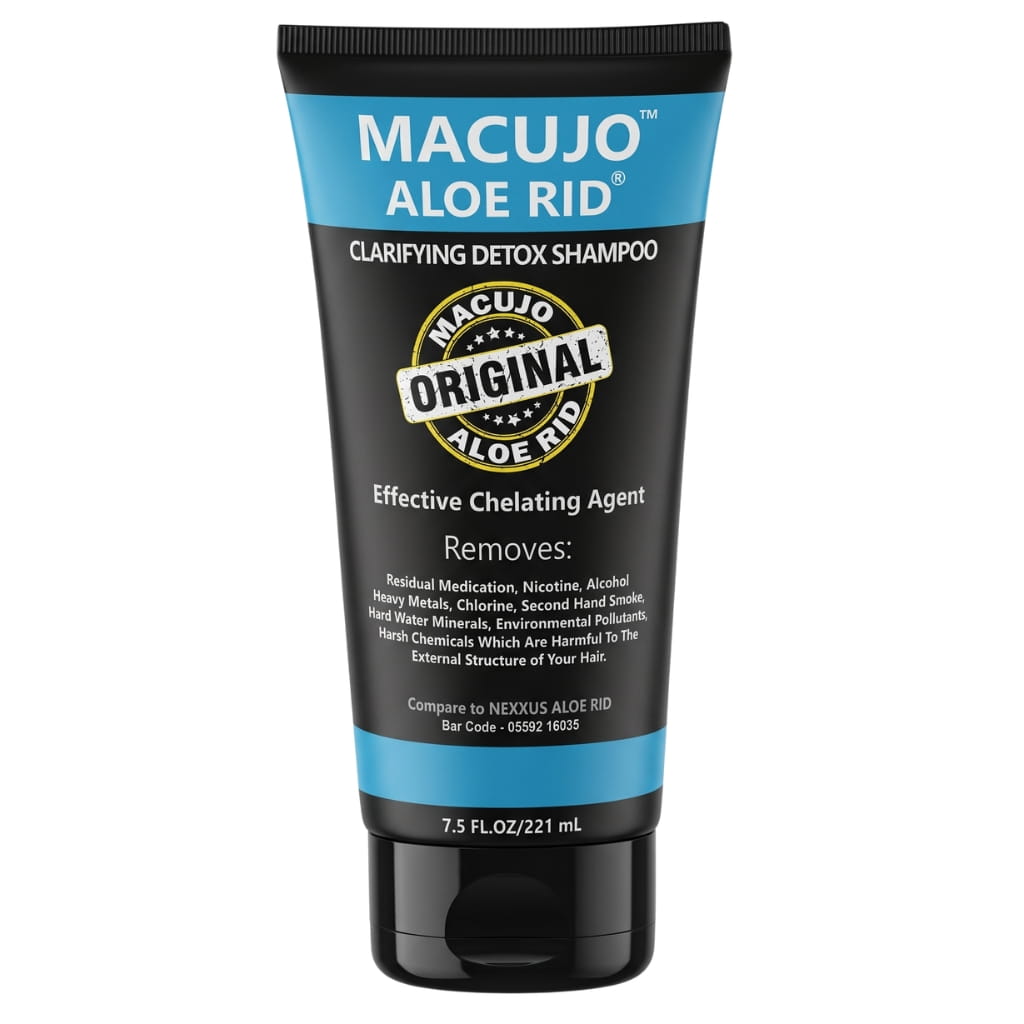
  • Macujo Aloe Rid Shampoo (the classic formula, not the updated Nexxus version).
  • Clean & Clear or Neutrogena Clear Pore astringent (containing 2% salicylic acid).
  • Heinz White Vinegar (5% acidity).
  • Arm & Hammer Baking Soda.
  • Original Liquid Tide Detergent (laundry version).
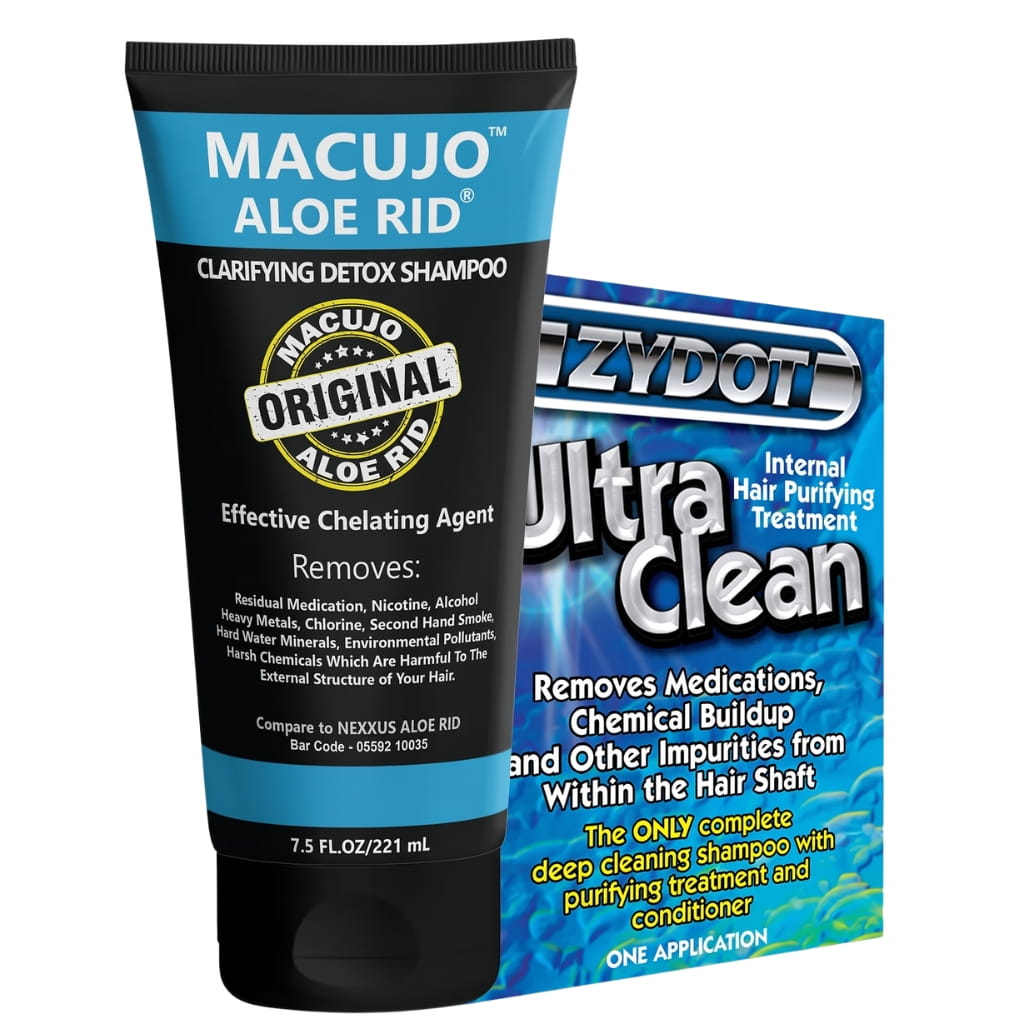
  • Zydot Ultra Clean (use only on test day).
  • Protective items: gloves, Vaseline or barrier cream, shower cap, clean towels.

The 9-Step Process (Order Matters)

Step 1: Thoroughly wash with Macujo Aloe Rid Shampoo. Rinse and towel dry. Error to avoid: Using regular shampoo. This step starts opening the cuticle.

Step 2: Mix baking soda with warm water into a thick paste. Massage into hair for 5-7 minutes. Rinse and towel dry. Error: Too watery. Make it paste-like for proper coverage.

Step 3: Apply salicylic acid astringent generously. Massage 5-7 minutes, then let sit for a full 30 minutes. Rinse. Error: Shortening the wait time. The soak is essential.

Step 4: Use a tiny amount (dime-sized) of Liquid Tide. Scrub gently for 3-7 minutes. Rinse well. Error: Using too much, which creates excessive foam and irritation.

Step 5: Wash again with Macujo Aloe Rid Shampoo. Rinse.

Step 6: Saturate hair with vinegar, massage in, and pat dry—do not rinse. Error: Rinsing it out too soon. It needs to remain to lift the cuticle.

Step 7: Re-apply the salicylic acid astringent right away. Massage and let sit for 30 minutes. Rinse. Error: Skipping the second acid application. The double exposure is key.

Step 8: Another small dab of Liquid Tide. Scrub 3-7 minutes and rinse thoroughly.

Step 9: Final wash with Macujo Aloe Rid Shampoo to clear residues and odors.

That completes one full cycle.

How Many Cycles Do You Need?

Space sessions 8-10 hours apart and repeat based on your usage history:

  • Light use (occasional): 3-8 cycles.
  • Moderate use (weekly): 4-10 cycles.
  • Heavy/chronic daily use: 10-15+ cycles.

On test day, especially with recent use in the past couple of weeks, perform a full session shortly before the appointment.

Tide’s role is as a potent surfactant that removes loosened material after the acids and vinegar do their work. Use sparingly to avoid over-irritation.

This precise approach is demanding but effective when followed carefully. Common mistakes are usually avoidable shortcuts.

Real-Time Checks: Monitoring Your Process

Use this checklist while performing the method to catch issues early.

  1. Skin Protection: Apply a thick layer of Vaseline or barrier cream to hairline, ears, neck, and forehead before starting. Skipping this risks chemical irritation.
  2. Astringent Reaction: Expect a noticeable tingle during acid steps. Strong burning, blistering, or severe pain means rinse immediately and adjust timing or amounts.
  3. Vinegar Effect: After the vinegar step, hair should feel clean and stripped but not overly dry, tangled, or brittle. Excessive damage signals over-processing.
  4. Tide Application: Expect light abrasion and minimal lather with a small amount. Heavy foam means you used too much—rinse extra thoroughly.
  5. Timing Precision: Always use a timer for the 30-minute soaks. Guessing leads to poor results or excess damage.
  6. Pain Levels: Mild soreness, dryness, or redness is expected. Sharp pain, open sores, or bleeding requires stopping and allowing healing.
  7. Clean Tools: Use fresh towels and a clean comb each time. Reusing contaminated items can redeposit toxins.

Control these factors to manage the chemical process effectively.

When It Still Doesn’t Work: Common Reasons and Solutions

Even with careful execution, results can vary. Typical issues include:

  • Too few cycles for your usage level.
  • Substandard or expired products.
  • Rushed application or missing sections of hair/scalp.
  • Insufficient abstinence time for new clean hair growth.

For heavy users, the method has limits because deeply bound metabolites from long-term use are harder to remove fully. It works best as a surface-to-mid-shaft cleanser.

The Chemistry Behind It

Hair has an outer cuticle (like roof shingles) and an inner cortex where metabolites bind to proteins and melanin. The method uses pH swings—acids to loosen, alkaline detergent to swell and open the cuticle, plus surfactants and penetrants to lift and wash away trapped substances. Specialized shampoos often include ingredients like propylene glycol for better penetration.

No large clinical trials prove it as foolproof, but the approach draws from known effects of chemical hair treatments that can reduce detectable levels through structural disruption. It’s a calculated strategy, not a laboratory guarantee.

Protecting Your Scalp and Hair

Significant irritation or hair loss can flag tampering at the lab. Always do a patch test first. Wear gloves and use barrier protection. Build in recovery time—at least 24 hours between intense sessions if needed—and stop if you see sores. Healing is part of doing it correctly.

Why Macujo Aloe Rid Shampoo Makes a Difference

Generic shampoos only clean the surface. Macujo Aloe Rid Shampoo is formulated with penetration enhancers, chelators, and targeted cleansers for deeper action. It serves as the main agent across multiple days, paired with Zydot Ultra Clean on test day for a complete approach. While more expensive, it provides greater reliability when stakes are high. Buy from trusted sources to avoid counterfeits.

Handling Special Cases

  • Body Hair: Grows slower and can retain metabolites longer (up to a year). Treat all possible collection sites thoroughly with extended effort.
  • Thick, Curly, or Dreadlocked Hair: Section carefully, extend soak times, and ensure full saturation to reach trapped areas.
  • Re-contamination: Clean or isolate hats, pillowcases, hoods, and other items that contacted your hair during use. Avoid redepositing toxins through sweat or old belongings.

Common Questions Answered

  • Apple cider vinegar? No—stick to Heinz white for the right acidity.
  • Minimum cycles? At least 5-7 for decent odds; more for heavier use.
  • Recent use? Needs abstinence time so new hair can grow clean.
  • Bald? Labs switch to body hair, which has a longer detection window.
  • Bleaching? Damages hair and may flag tampering but doesn’t reliably clear internal metabolites.

Choosing Your Approach

Consider your timeline, the importance of the test, and your usage history. For lighter use with more time, the basic method may suffice. For high stakes, heavy use, or limited time, combine the full steps with Macujo Aloe Rid Shampoo for stronger odds.

Stay precise, protect yourself, and follow through. This process demands effort, but careful execution gives you the best shot at moving forward clean.

You’ve got this.