
Zinc Pills Can’t Fool Drug Tests: Interference Requires Direct Urine Dosing
No, oral zinc supplementation will not reliably make a urine drug test come back negative. The zinc drug test myth traces back to real lab research on EMIT immunoassays, but that research involved zinc added directly to urine samples, not zinc swallowed as a pill. Modern labs also run confirmatory testing like GC/MS and LC-MS/MS that catches what a screening test might miss. Read on for the actual studies, the biology that ruins this shortcut, and what actually holds up.
TL;DR:
- Consuming zinc supplements does not raise urine zinc levels enough to interfere with drug test detection because the body tightly regulates zinc absorption and excretion.
- Laboratory studies show that zinc only affects immunoassay screening methods when added directly to urine samples at concentrations far higher than those achieved through supplement intake.
- Confirmatory testing methods like GC/MS and LC-MS/MS are designed to detect and negate adulteration attempts, including zinc interference, making fake results highly unlikely.
- Labs use specific spot tests and specimen validity checks to identify adulteration, including zinc sulfate, before finalizing results, reducing the chance of successful manipulation.
- Attempting to manipulate drug tests with zinc can cause physical health issues and legal penalties, and is ineffective compared to abstinence and proper preparation.
Table of Contents
- What Peer-Reviewed Lab Studies Actually Found About Zinc and Urine Tests
- Why Swallowing Zinc Pills Doesn’t Recreate Lab Conditions
- How Labs Screen for Interference and Why Confirmation Testing Matters
- How Labs Detect Zinc Adulteration Directly
- The Real Risks of Trying to Manipulate a Test
- What Actually Affects Your Results, and What to Do Instead
- Where This Article’s Standards Come From
- A Straight Answer, Not a Workaround
- Legitimate Ways to Prepare for a Drug Test
- Sources
- FAQ
What Peer-Reviewed Lab Studies Actually Found About Zinc and Urine Tests
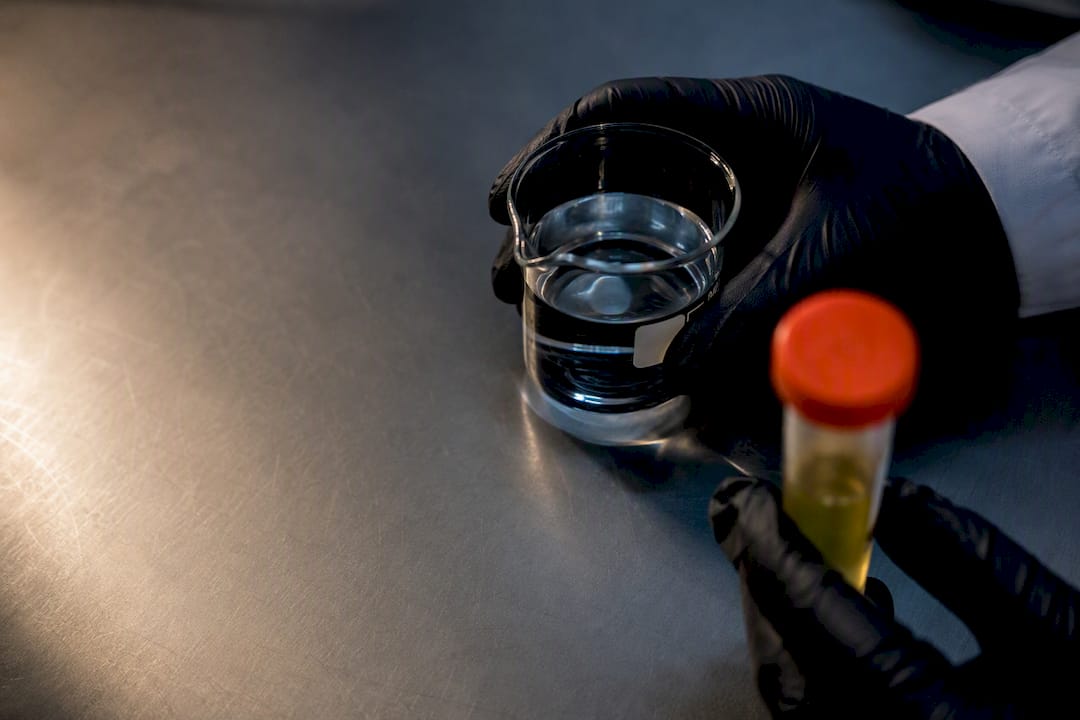
The zinc sulfate drug test myth didn’t come from nowhere. A controlled study found that adding high concentrations of zinc directly to urine samples reduced detection of methamphetamine, cocaine, THC, and opiates when screened with the EMIT immunoassay method. That finding is real, published, and worth taking seriously. The problem is what happened next: people online skipped past the fine print and turned a narrow lab result into a shortcut.
The experiments that showed interference relied on:
- Zinc sulfate mixed directly into the urine specimen, not consumed
- Concentrations far beyond anything the human body produces naturally
- Specific immunoassay platforms (EMIT and ELISA), not universal across every drug test method
- Effects that varied by drug class, meaning some substances were affected more than others
Statistic Callout: The zinc concentrations needed to meaningfully suppress EMIT detection sit orders of magnitude above what shows up in normal human urine, according to the same peer-reviewed toxicology research. You’d need to dump raw zinc sulfate into the cup, not take a supplement, to get anywhere close.
That gap between “works in a beaker” and “works in your body” is the entire myth in one sentence.
Why Swallowing Zinc Pills Doesn’t Recreate Lab Conditions
Your body treats zinc as a tightly regulated nutrient, not a free-flowing waste product. Absorption happens in the small intestine, and homeostatic mechanisms limit how much extra zinc your kidneys dump into urine even after a large dose. Typical urinary zinc levels stay in a narrow physiological range no matter how many tablets you swallow, because the body prioritizes retaining zinc for enzyme function over excreting it.
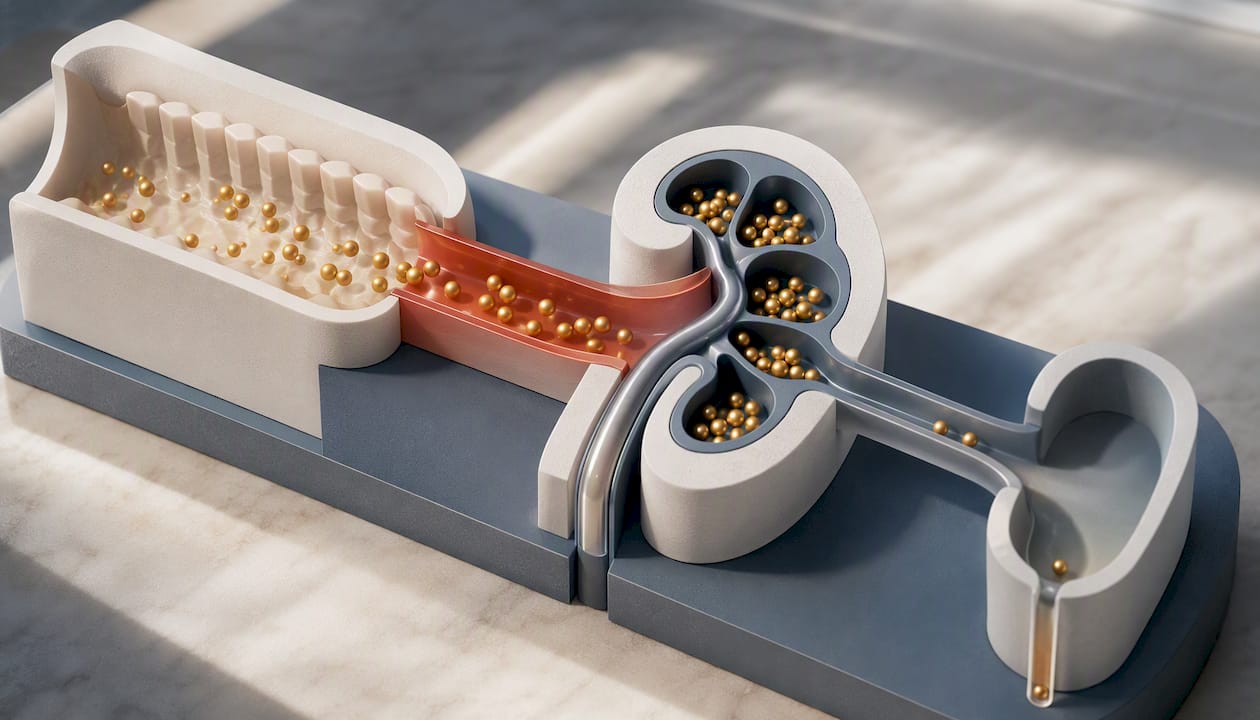
Clinical evidence backs this up directly. The same research that found interference from direct urine adulteration also tested oral self-administration and found it did not raise urine zinc anywhere close to the concentrations needed to interfere with EMIT or ELISA screening. The pathway from stomach to bladder simply doesn’t concentrate zinc the way dropping it straight into a sample does.
A few things happen when someone tries this anyway:
- Zinc gets absorbed, used, and regulated long before excess reaches urine at adulterant-level concentrations
- Megadosing disrupts copper absorption and other mineral balances without producing the desired test result
- The timing window people chase (dosing a few hours before a test) doesn’t match how slowly the body processes zinc
Pro Tip: Tolerable upper intake for zinc is generally considered limited, and doses used in “detox” forum advice often run higher, risking nausea, copper deficiency, and immune suppression for a strategy that doesn’t even work.
How Labs Screen for Interference and Why Confirmation Testing Matters
Drug testing isn’t a single test. It’s a two-step process built specifically to catch exactly this kind of interference attempt.
- Initial screening uses immunoassay methods like EMIT or ELISA, the same platforms studied in the zinc interference research, chosen for speed and low cost across large sample volumes.
- Confirmatory testing kicks in for any sample that’s borderline, unusual, or flagged, using GC/MS or LC-MS/MS, methods that separate and identify compounds with far greater precision than a screening immunoassay.
- Specimen validity checks run alongside both steps, flagging unusual creatinine, pH, or specific gravity readings that suggest tampering.
- Medical Review Officer review happens before any result becomes official, adding a trained human check on anything ambiguous.
A screening test alone almost never determines a final workplace or legal outcome. Confirmation testing exists precisely because immunoassays have known interference points, zinc being one of them, and labs built their process around covering that gap.
How Labs Detect Zinc Adulteration Directly
Labs don’t just hope zinc adulteration slips through. Researchers developed dedicated spot tests using sodium hydroxide and sodium chromate that produce visible color changes when zinc sulfate is present in a urine sample, with documented detection thresholds in the toxicology literature.
Routine specimen validity testing adds another layer:
- Creatinine levels outside normal range signal possible dilution or substitution
- Specific gravity readings flag water-loading or additive tampering
- pH outside the expected window triggers automatic adulterant screening
When a sample flags any of these markers, labs typically run additional adulterant-specific tests, including the zinc spot tests, before a result gets finalized.
The Real Risks of Trying to Manipulate a Test
Chasing this myth carries costs that have nothing to do with whether it works. Excess zinc intake causes nausea, vomiting, headaches, and copper deficiency, and long-term megadosing has been linked to immune dysfunction. Interfering with copper absorption in particular can cause problems that outlast the drug test by months.
Beyond the physical risk, tampering with or attempting to falsify a specimen carries real legal and professional consequences in many workplace and court-ordered testing programs, separate from whatever substance the test was checking for in the first place.
If you’re facing a test with a legitimate concern:
- Disclose any prescribed medications to the testing administrator or Medical Review Officer beforehand
- Request a retest through proper channels if you believe a result is inaccurate
- Talk to a physician before taking any supplement at doses meant to alter a biological sample
- Skip forum advice about heavy-metal “detox” regimens, which clinical sources note are poorly supported and unnecessary for healthy kidneys and liver doing their normal job
What Actually Affects Your Results, and What to Do Instead
Time and abstinence remain the only consistently reliable factors in urine drug test outcomes. Detection windows vary by substance and use pattern, but they’re driven by how your body metabolizes and clears a substance, not by anything you add to a sample afterward.
If you’re preparing for a test:
- Understand the general detection window for the relevant substance and plan abstinence time accordingly, since windows vary widely by drug class and frequency of use.
- Skip oral zinc, cranberry juice, and other DIY detox supplements circulating online. None of them have supporting evidence, and some carry real health risks of their own.
- Use an at-home screening kit if you want a realistic read on where you stand before an official test.
- Talk to a physician about any prescribed medication that could show up on a panel, and loop in the testing authority ahead of time if there’s a legitimate medical explanation.
Where This Article’s Standards Come From
Passmydrugtest runs both a product marketplace and an educational resource, built for people who want straight answers before a workplace, legal, or personal screening. That mix means the guides here get held to the same bar as the products: cite the actual study, name the actual test method, and skip the forum-tier shortcuts. This piece draws on peer-reviewed EMIT/ELISA interference research and toxicology literature on adulterant detection rather than secondhand claims. Michael, who covers testing methodology and preparation guidance for the site, authored this breakdown.
A Straight Answer, Not a Workaround
The evidence here isn’t ambiguous. Zinc interferes with immunoassays only when added directly to a sample at concentrations no supplement bottle gets you anywhere near, and confirmatory testing exists specifically to catch what a screening test misses. If you’re facing a test, an at-home screening kit or a conversation with your physician will tell you more than any zinc dose ever will. If you want help figuring out which test type or product actually fits your situation, Passmydrugtest’s support line is there during business hours.
— MIchael
Legitimate Ways to Prepare for a Drug Test
Preparation beats manipulation, and that’s the whole philosophy behind what Passmydrugtest actually sells. Instead of chasing zinc doses that don’t work, you can use accurate information and real screening tools to know where you stand before an official test ever happens.
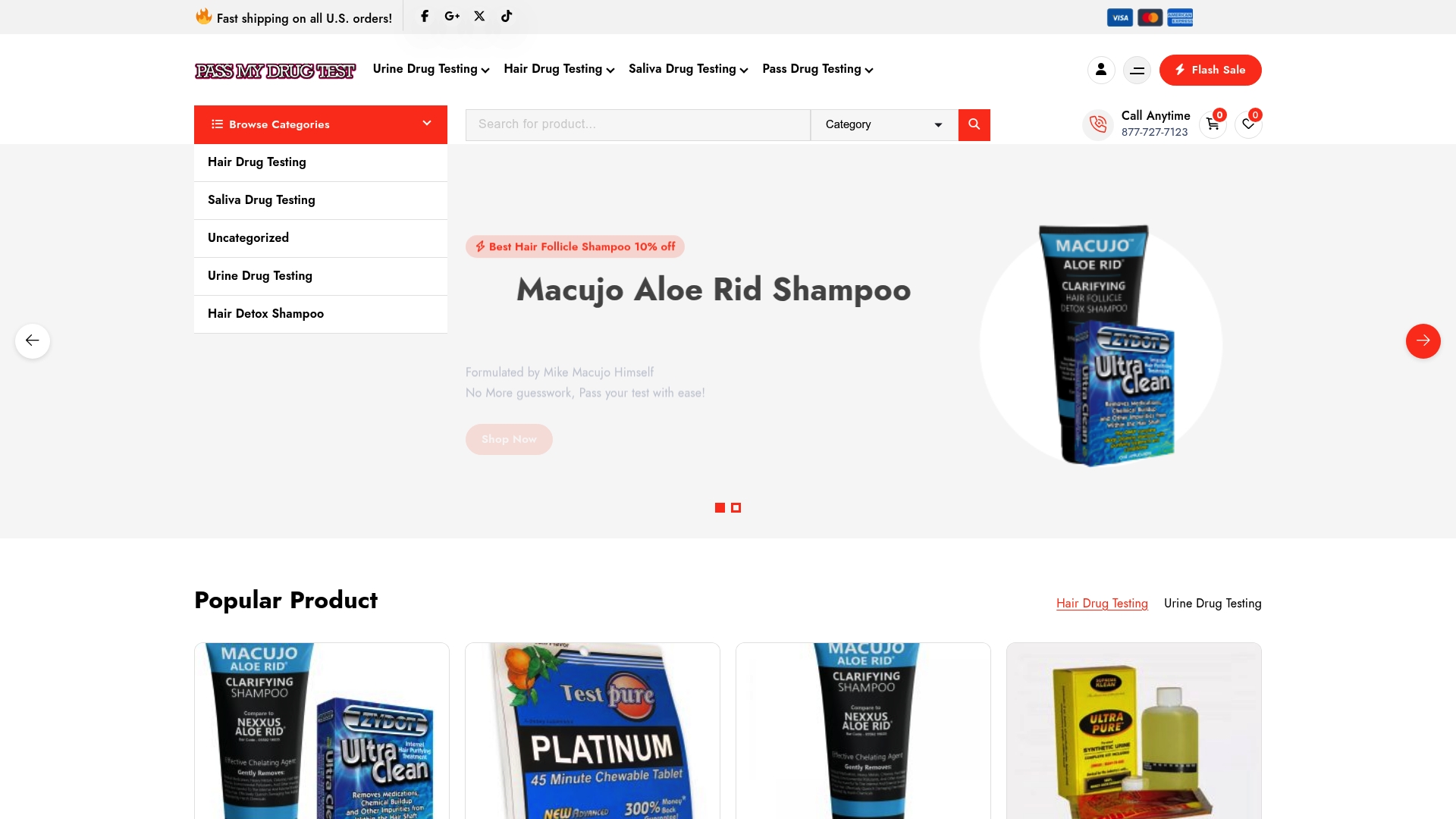
The site covers urine drug testing options and provides information on hair follicle testing and detox shampoo products for individuals dealing with longer detection windows tied to hair samples. These are educational and preparation tools, not adulteration methods, and none of them claim to defeat a lab’s confirmatory process. If you’re not sure which test type applies to your situation, whether it’s a pre-employment screen, a legal requirement, or a personal check, browse the full product lineup or call customer support during published business hours to talk through your specific circumstances before you buy anything.
This article is general information, not a substitute for advice from a qualified doctor. Consult a qualified healthcare professional about your own circumstances before acting on anything here.
Sources
- Elevated urine zinc concentration reduces the detection of methamphetamine, cocaine, THC and opiates in urine by EMIT
- Elevated urine zinc concentration reduces the detection of methamphetamine, cocaine, THC and opiates in urine by EMIT
- Novel spot tests for detecting zinc sulfate in urine, a newly introduced urinary adulterant to invalidate drugs of abuse testing
- What you should know about the heavy metal detox
FAQ
Will You Pee Out Extra Zinc If You Take a Supplement?
Some excess zinc is excreted in urine, but the body’s homeostatic regulation keeps that amount far below the concentration needed to interfere with immunoassay drug screening.
Does Zinc Make Urine Appear Different or Increase Output?
Zinc supplementation doesn’t reliably increase urine volume or alter its appearance in a way that would affect a drug test; any changes reported anecdotally aren’t backed by the interference research.
What Supplements Can Cause a Drug Test to Fail or Flag?
Most over-the-counter supplements don’t cause true false positives, but specimen validity testing can flag unusual creatinine, pH, or specific gravity from excessive water intake or certain additives, triggering a closer lab review.
How Long Does It Take Zinc to Show Up in Urine After Taking It?
Zinc absorption and urinary excretion happen within hours of ingestion, but even at that point, urine concentrations stay well below the levels shown to interfere with EMIT or ELISA screening in controlled studies.