
Baking Soda and Drug Tests: Triggers pH Flags, Risks Gastric Rupture
Baking soda will not help you pass a lab-based drug test, and trying it can put you in the hospital. A poison-center case report documents a gastric perforation after someone swallowed a large dose before a urine screen, and a peer-reviewed toxicology review found little real evidence the method works at all. The rest of this guide explains why the trick fails, and what to do instead.
TL;DR:
- Drinking baking soda can trigger abnormal urine pH levels, leading to automatic flags for adulteration and increasing the chance of retesting.
- Confirmatory tests like GC-MS or LC-MS/MS detect drug metabolites at the molecular level, unaffected by urine alkalization or dilution methods.
- Large doses of baking soda pose serious health risks, including gastric perforation, metabolic alkalosis, and electrolyte imbalances requiring emergency medical treatment.
- Urine specimen validity checks monitor markers like pH, creatinine, and specific gravity, which baking soda attempts to alter but ultimately trigger detection for tampering.
- Evidence-based drug test preparations include abstinence, honest communication, and legitimate detox products, not household remedies like baking soda.
Table of Contents
- What the Baking Soda Drug Test Method Claims to Do
- Why Lab Testing Sees Through the Baking Soda Trick
- The Real Medical Risks of Ingesting Baking Soda
- What Happens When a Specimen Gets Flagged
- Safer, Evidence-Based Alternatives to Baking Soda
- Why Trust This Breakdown
- A Compassionate Word on Panic Searches
- Where to Turn for Real Preparation Instead
- Sources
- FAQ
What the Baking Soda Drug Test Method Claims to Do
People trying the baking soda drug test method usually fall into one of two camps: drinkers and scrubbers.
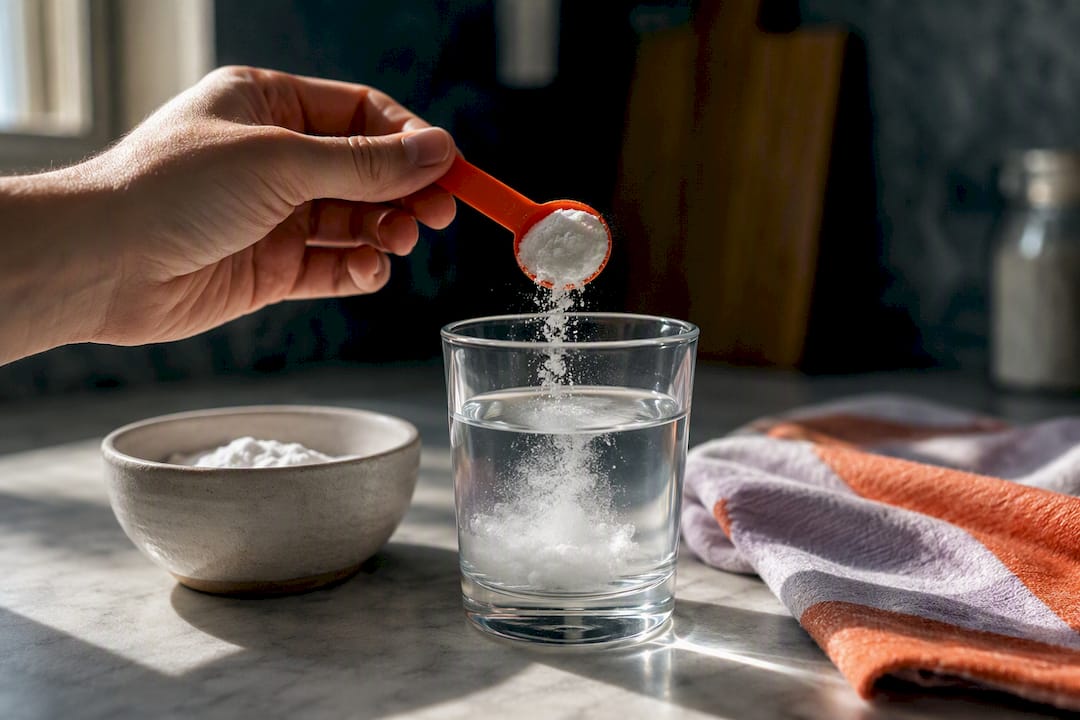
The oral version calls for dissolving anywhere from one teaspoon to five tablespoons of baking soda in water, often followed by chugging more water to “flush” the system. Forum posts and secondhand advice circulate wildly different dosages and timing windows, with some claiming you need to drink it an hour before testing and others insisting the night before works better. None of these protocols come from any clinical source. The Missouri Poison Center’s case report traces one hospitalization directly back to this kind of dosing advice.
The hair and saliva variants work on a different theory. People scrub baking soda paste into their scalp before a hair follicle test, or rinse their mouth with a baking soda solution before a saliva swab, hoping to strip out drug residue sitting on the surface.
The claimed mechanisms behind all of this:
- pH shift: the idea that alkalizing urine somehow masks metabolites
- Dilution: pairing baking soda with heavy water intake to thin out a urine sample
- Surface removal: scrubbing hair or rinsing the mouth to physically wash away detectable residue
None of these mechanisms hold up once you understand how modern lab testing actually works.
Why Lab Testing Sees Through the Baking Soda Trick
Drug testing labs run two layers of analysis, and baking soda doesn’t survive either one. The first pass is an immunoassay screen, a fast chemical test that flags likely positives. Anything that screens positive, or looks chemically off, moves to confirmation testing using gas chromatography-mass spectrometry (GC-MS) or liquid chromatography-tandem mass spectrometry (LC-MS/MS). These confirmation methods identify exact drug metabolites at the molecular level, and no amount of alkalizing your urine changes what’s actually dissolved in it.
Before confirmation even happens, most regulated urine tests run specimen-validity checks that look for signs of tampering. Common markers include:
- pH: normal urine falls between roughly 4.5 and 8; values outside that range trigger an automatic flag
- Creatinine: unusually low levels suggest the sample was diluted with water
- Specific gravity: measures how concentrated the urine is, catching dilution attempts baking soda drinkers rely on
- Oxidants and adulterants: chemical screens that detect foreign substances added to the sample
Here’s the problem with the pH theory specifically: drinking baking soda can shift urine pH out of the normal range, which doesn’t hide anything. It does the opposite. It flags the sample as adulterated and sends it straight to confirmatory retesting. A systematic review of online subversion tactics found that most people discussing tampering online talk about substitution or dilution, not household alkalizers, likely because word has gotten around that pH tricks get caught.
The hair version fails for a completely different reason. Drug metabolites bind inside the hair shaft’s cortex, not just on the surface. Surface scrubbing with baking soda might remove some external contamination, but it can’t reach metabolites embedded deeper in the strand without severely damaging the hair, and even damaged hair often still tests positive.
The Real Medical Risks of Ingesting Baking Soda
The gap between a safe medicinal dose of sodium bicarbonate and the doses circulating in “detox” advice online is enormous, and that gap is exactly why people end up in emergency rooms.
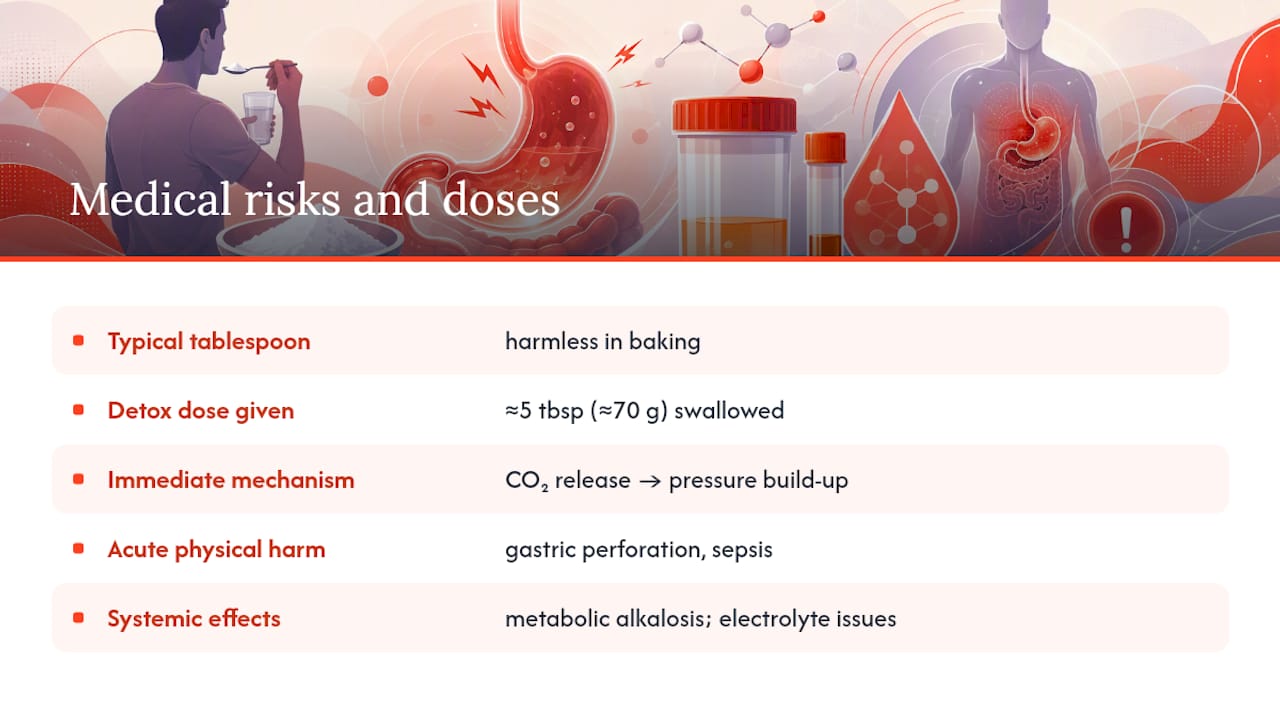
The Missouri Poison Center documented a case where a patient swallowed roughly five tablespoons, about 70 grams, of baking soda before an occupational urine screen. The result was a gastric perforation, sepsis, and a prolonged hospital stay. Here’s the physiology behind it: baking soda reacts violently with stomach acid, releasing carbon dioxide gas almost instantly. In a stomach that already has food or liquid in it, that gas has nowhere to go. Pressure builds, and if the person can’t burp it out fast enough, the stomach wall can rupture.
The mismatch between a “kitchen ingredient” and the actual dose being promoted online is the core danger. A tablespoon in baking is harmless. Five tablespoons swallowed at once, chased with water, is a medical emergency waiting to happen.
Beyond the physical rupture risk, large oral doses can trigger metabolic alkalosis and dangerous electrolyte disturbances, disrupting your body’s normal acid-base balance in ways that affect heart rhythm and muscle function, according to clinical literature on sodium bicarbonate toxicity.
Pro Tip: If you or someone else has swallowed a large amount of baking soda and is experiencing severe stomach pain, vomiting, or bloating, call Poison Help at 1-800-222-1222 or go to the nearest emergency room immediately. Don’t wait to see if it passes.
What Happens When a Specimen Gets Flagged
An abnormal specimen doesn’t just quietly fail. It sets off a specific chain of events that regulated testing programs follow closely, guided by SAMHSA’s national testing standards.
- Initial flag: pH, creatinine, or specific gravity readings outside normal range mark the sample as “dilute,” “substituted,” or “invalid.”
- Confirmatory testing: the lab runs additional analysis to determine whether the anomaly points to tampering or a legitimate medical explanation.
- Reporting to the requester: the medical review officer or testing authority receives the result, often with a note explaining why the specimen was flagged.
- Consequences or retest: depending on the policy, this can mean a mandatory retest under direct observation, disciplinary action, or in some cases treating the result as equivalent to a positive.
If you believe a result is wrong for a legitimate reason, such as a medical condition, keep your paperwork. Chain-of-custody documentation and any receipts from the testing appointment matter if you need to contest a result. You can also learn more about how false positives happen and how to challenge them.
Safer, Evidence-Based Alternatives to Baking Soda
Abstinence is the only method that removes drugs from your system with certainty, and detection windows vary a lot by specimen type. Urine tests typically detect recent use over a matter of days, though heavy or chronic use extends that window. Saliva tests generally cover a shorter, more recent window. Hair tests can detect use going back roughly 90 days because metabolites get locked into the hair shaft as it grows.
- Give yourself as much lead time as possible before any scheduled test
- Be honest with an employer’s Employee Assistance Program if you’re worried about a result
- Talk to a clinician if you’re using regularly and want support cutting back
- If a real hack is what you’re after, understand that most circulated home remedies carry the same lack of evidence baking soda does
Pro Tip: At-home test kits are useful for practice and awareness, not guarantees. Use them to understand where you stand, not as proof you’ll pass the real thing.
Why Trust This Breakdown
This piece is written and reviewed under Passmydrugtest’s editorial standards, drawing on poison-center case data, peer-reviewed toxicology research, and SAMHSA’s public testing guidance rather than forum folklore. If you want deeper reading on preparation methods that actually have some evidence behind them, our detox cleanse breakdown covers what works and what’s risky. For anyone dealing with a substance use concern rather than a one-time test, SAMHSA’s treatment locator connects you with real clinical support.
A Compassionate Word on Panic Searches
Searching “baking soda drug test” at 2 a.m. usually means real fear about a job, a court date, or custody. That pressure is understandable. But a kitchen-cabinet myth that risks a ruptured stomach isn’t a shortcut worth the gamble. Lean on real information and real support instead.
— MIchael
Where to Turn for Real Preparation Instead
If you’re facing a hair, saliva, or urine test and want an approach grounded in actual product research instead of guesswork, Passmydrugtest gives you one place to compare legitimate options and get them shipped fast within the United States, with phone support if you have questions before you buy.
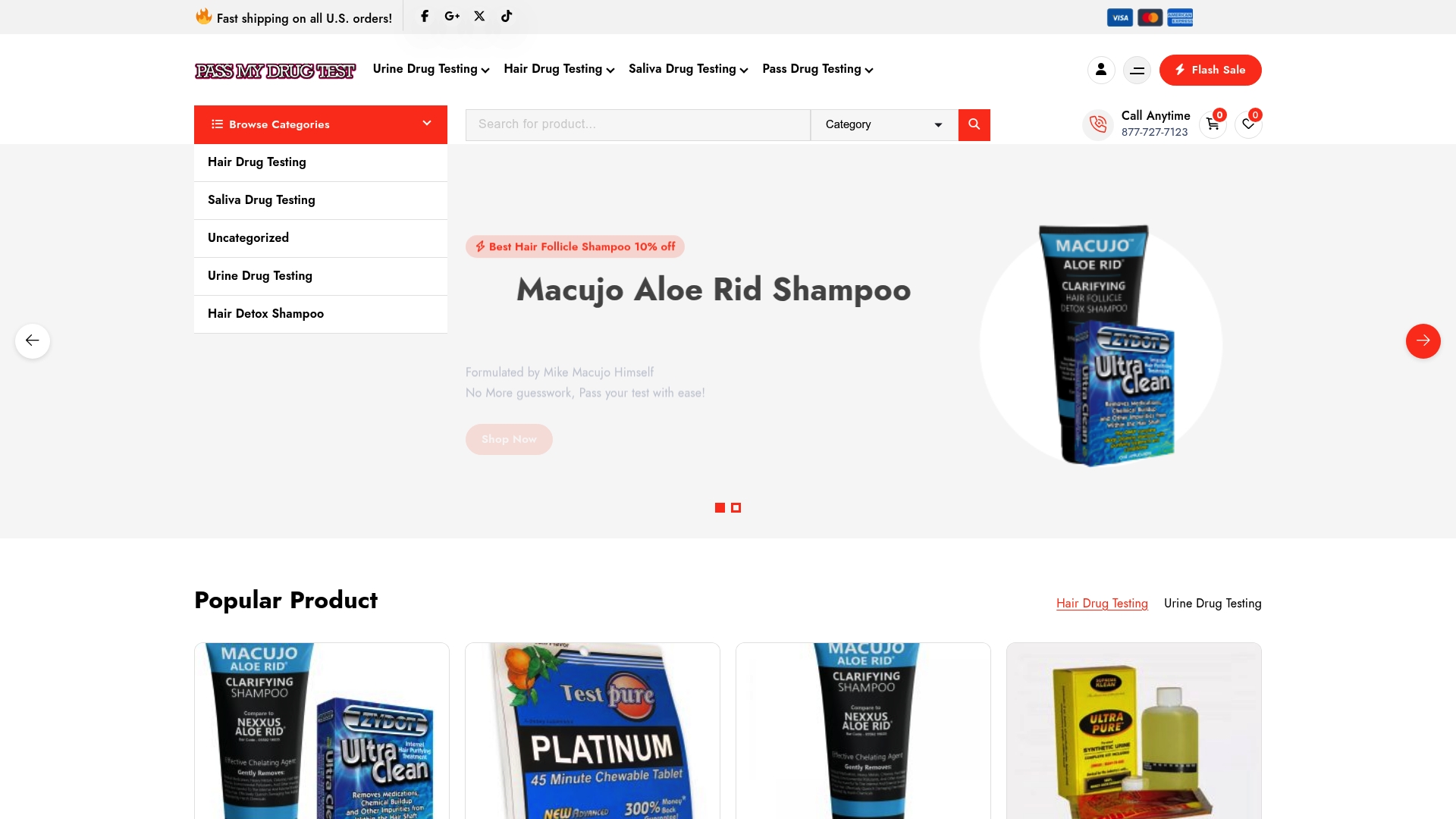
The site carries hair detox shampoo for follicle test prep, along with resources on saliva and urine testing for shorter detection windows. None of these products come with a guaranteed outcome, and Passmydrugtest doesn’t claim one. What they offer instead is a way to prepare based on how these tests actually work, not on a baking soda rumor from a forum thread. Start by checking same-day options for an upcoming urine test or browse the full product lineup to find what fits your specific situation.
This article is general information, not a substitute for advice from a qualified doctor. Consult a qualified healthcare professional about your own circumstances before acting on anything here.
Sources
- Gastric Perforation After Baking Soda Ingestion to Beat a Drug Test – Missouri Poison Center
- Systematic web monitoring of drug test subversion strategies in the United States
- NCBI PMC article on sodium bicarbonate toxicity and clinical effects
- Findtreatment
FAQ
How Accurate Is a Baking Soda Pee Test?
Baking soda does not improve your chances of passing a urine drug test. It shifts urine pH out of the normal range, which triggers a specimen-validity flag rather than hiding anything from the lab.
Does the Baking Soda Trick Work?
No credible evidence supports it. A peer-reviewed toxicology review found little real evidence that household methods like baking soda actually beat confirmatory drug testing.
Does Baking Soda Draw Out Toxins?
There’s no clinical support for the idea that baking soda pulls drug metabolites out of your body. Metabolites clear through normal metabolism and excretion over time, not through alkalizing your stomach or urine.
What Should I Do if Someone Swallows a Large Amount of Baking Soda?
Call Poison Help at 1-800-222-1222 or head to the nearest emergency room right away, especially if there’s stomach pain, vomiting, or bloating. A documented case involved gastric perforation after ingestion of a large dose.
Are There Any Legitimate Products That Help With Drug Test Prep?
At-home test kits and hair detox shampoo are available for practice and preparation, though no product guarantees a passing result. Current pricing is listed on the Passmydrugtest website.