
Before a Drug Test: Do Detox Drinks Work When Labs Test Dilution?
Detox drinks and kits generally do not work to reliably pass a drug test, and modern lab screening is built specifically to catch the tricks they rely on. A small number of failures do slip through weak testing setups, but those cases are rare, unpredictable, and not something to bet a job or a court case on. Before trying any product, understand what it can and cannot do, and read the risks below.
TL;DR:
- Detox drinks and kits are generally ineffective at reliably passing drug tests because labs detect dilution, adulteration, or substitution attempts with high precision.
- Most detox products rely on dilution or herbal claims unsupported by solid clinical evidence, especially for substances like THC with long detection windows.
- Using detox products carries health risks such as dehydration, electrolyte imbalance, digestive issues, and potential organ stress, especially when combined with unlisted herbal additives.
- The only proven method to pass a drug test is allowing the body ample time to metabolize and eliminate substances, with no shortcut guaranteed to succeed.
- In cases of dependence or withdrawal, medical detox supervised by healthcare professionals is the safest and most effective option.
Table of Contents
- Do Detox Drinks Work? What These Products Actually Are
- How Do Detox Products Claim to Work?
- Do Detox Drinks Actually Help, or Is the Evidence Just Not There?
- What Are the Real Health Risks of Detox Drinks?
- What Actually Works Instead of Detox Drinks?
- Why This Guide Takes Evidence Seriously
- Where Passmydrugtest Fits Once You Know the Facts
- Sources
- FAQ
Do Detox Drinks Work? What These Products Actually Are
“Detox drinks” is the catch-all term, but the category covers several distinct products with different mechanisms and different odds of doing anything useful. Understanding the format matters more than the flavor or the price tag.
- Detox drinks: beverages, often herbal or vitamin-based, marketed to be consumed hours before a test to flush the system.
- Detox pills or capsules: concentrated supplement blends claiming to speed up metabolism or bind to toxins.
- Detox kits: multi-step programs combining pills, drinks, and sometimes home test strips over several days.
- Synthetic urine: a lab-formulated substitute meant to replace a real sample entirely, an “in vitro” tampering method rather than something you ingest.
That last distinction matters. In vivo methods try to change what’s actually in your body before the test. In vitro methods try to swap or spike the sample after it leaves your body. Vendors typically list diuretics, B vitamins (to restore urine color after dilution), and herbal blends like milk thistle or dandelion root, claiming they “support liver function” or “flush toxins.” Marketing language leans hard on urgency: “rapid cleanse,” “same-day results,” “one-hour detox.” None of those claims come with the kind of clinical backing you’d expect from an actual medical intervention.
How Do Detox Products Claim to Work?
Every detox product leans on one of two strategies: change your body chemistry, or change the sample itself. Neither holds up as well as the marketing suggests.
- Dilution: drinking large volumes of water or diuretic-heavy blends to flood your bladder, lowering the concentration of metabolites per milliliter.
- Binding or metabolic claims: herbal ingredients supposedly bind to toxins or speed up liver processing, though the NCCIH finds no compelling research supporting detox diets for removing toxins from the body.
- Direct adulteration: adding substances like bleach, vinegar, or commercial adulterants directly to a collected sample to interfere with the immunoassay.
- Substitution: submitting synthetic or someone else’s urine instead of your own.
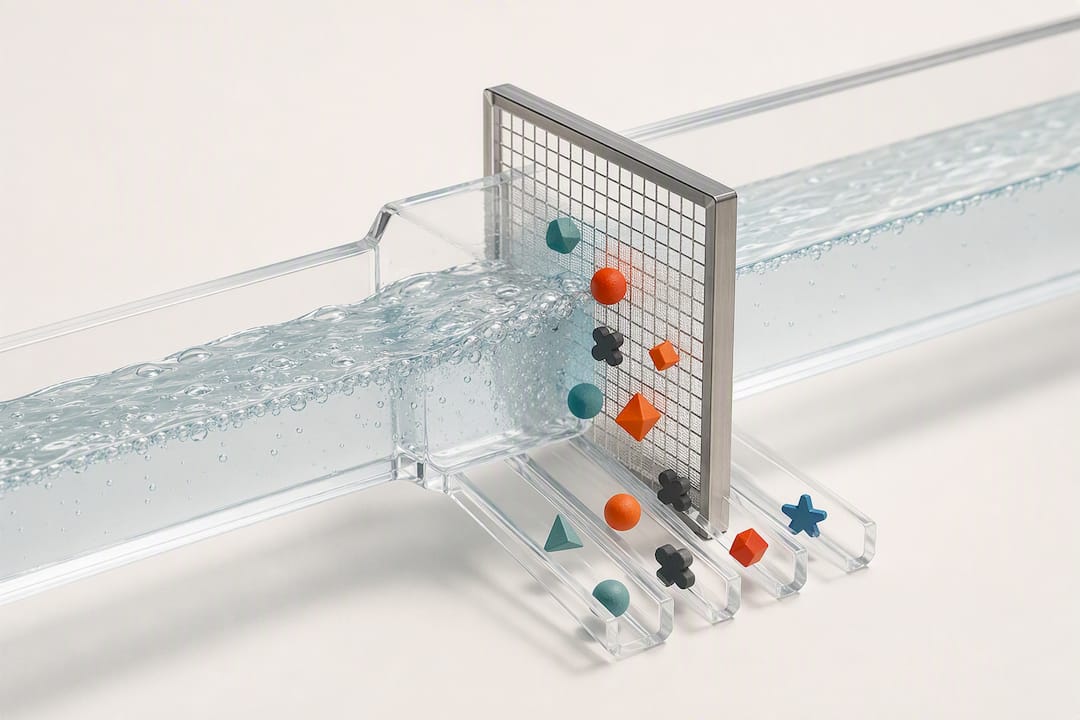
Here’s the problem for anyone trying option one or three: accredited labs are specifically built to catch them. Labs measure creatinine and specific gravity to flag diluted samples, and run oxidant and adulterant panels to catch chemical tampering. Adulteration detection protocols that follow SAMHSA or ISO standards routinely flag dilution and oxidizer tricks that were common a decade ago.
Statistic to consider: Labs following standard adulterant-screening protocols are built to catch the exact chemical signatures most detox products leave behind, which is a major reason so many attempts still fail even when the product was used “correctly.”
Do Detox Drinks Actually Help, or Is the Evidence Just Not There?
The honest summary: there is no solid body of research showing that commercial detox drinks or kits reliably beat a properly run drug test. Reviewers who’ve looked closely at these products, including ConsumerLab’s assessment of detox supplements, consistently find no convincing clinical evidence that they remove toxins or metabolites from the body. That’s not a marketing gap. It’s an evidence gap, and it’s been unfilled for years.
Effectiveness also varies sharply by substance, mostly because detection windows differ so much:
- THC: the hardest substance for these products to beat. THC metabolites are lipophilic, meaning they store in fat tissue rather than staying dissolved in blood or urine, so a short-term flush has little biological logic behind it. This is also why detox drinks for urine tests built around dilution alone tend to underperform for regular THC users, and why hair follicle testing (which reads a much longer window) is even less forgiving.
- Cocaine and amphetamines: shorter detection windows than THC, but no strong proof that detox drinks meaningfully speed clearance beyond what your body does anyway.
- Opioids: similarly short windows, similarly thin evidence that any commercial product changes the outcome.
- Benzodiazepines: detection can stretch longer than people expect depending on the specific drug, and detox products show no reliable track record here either.
Statistic to consider: No controlled, high-quality studies have shown that liver-cleanse or detox drinks reliably remove drug metabolites from the body; whatever benefit people report is more often explained by caloric restriction, extra hydration, or plain placebo effect.
A false negative is technically possible, usually only when a lab relies on less stringent immunoassay screening with no confirmation testing, or when collection protocols are sloppy. That’s the exception, not something to plan around, and you won’t know in advance which scenario you’re facing.
What Are the Real Health Risks of Detox Drinks?
Beyond the low odds of working, these products carry real physical risk, and that risk is often understated or left off the label entirely.
- Dehydration and electrolyte imbalance: diuretic-heavy formulas push fluid loss well past what’s healthy, especially when combined with extra water intake on top.
- Digestive distress: many kits include laxatives, and the resulting diarrhea can cause dehydration and malabsorption on its own.
- Kidney and liver strain: detox products frequently include unlisted herbal additives that stress organs already doing the body’s actual detox work, and severe cases have led to liver damage.
- Label inaccuracy: supplement regulation is loose enough that detox and chelation products have drawn FDA warnings for unapproved claims and inconsistent ingredients between production lots.
- Drug interactions: herbal compounds can interact with prescription medications in ways that are poorly documented and rarely tested.
Pro Tip: If you’re on any prescription medication, check with a pharmacist or doctor before trying any detox product. Herbal ingredient interactions are one of the most overlooked risks, and they don’t show up on the label.
What Actually Works Instead of Detox Drinks?
Time is still the only dependable answer, and it’s not a marketing slogan. It’s basic pharmacology.
- Stop use and let your body clear the substance naturally. Detection windows vary widely: THC can be detectable in urine for days in occasional users and weeks in heavy users, while substances like cocaine or opioids typically clear urine screening faster. Detection windows and result timing differ enough by substance and test type that guessing is risky.
- Know your test type. Urine, saliva, hair, and blood tests all read different windows, and a false positive or unexpected result is more often about test type and lab protocol than anything you drank that morning.
- Seek medical detox if dependence or withdrawal risk is involved. This is a supervised clinical process for managing withdrawal or acute intoxication, not a consumer product you buy off a shelf.
- Stay hydrated within normal limits, disclose medications to the testing administrator, and talk to a clinician if you’re unsure about anything physical.
Tampering attempts, when caught, tend to create bigger consequences than a straightforward positive result. Employers and courts generally treat confirmed adulteration or substitution as a serious integrity violation, sometimes worse than the original test failure, and it usually triggers an immediate retest under stricter observation.
Why This Guide Takes Evidence Seriously
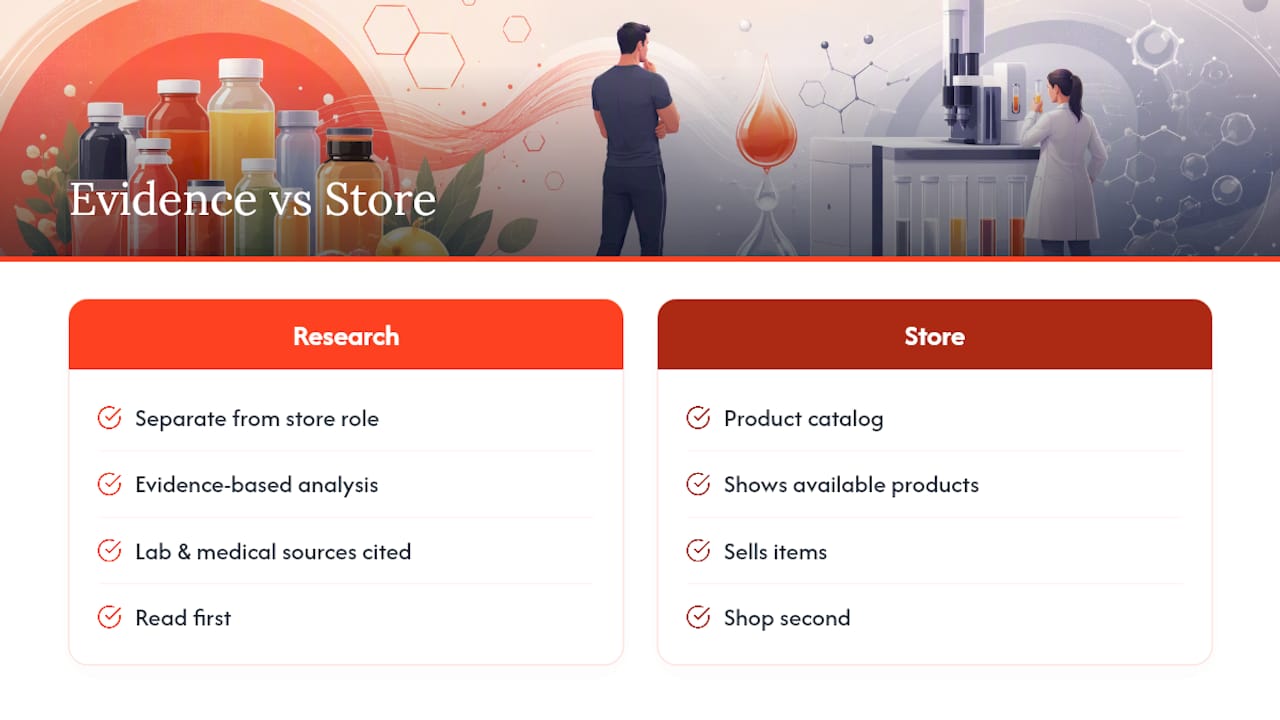
This guide was written to give you a straight answer, not a sales pitch, which is why the risks section above sits right alongside the products Passmydrugtest sells. Michael, drawing on drug-testing and detox research for this piece, focused on separating vendor claims from what labs and medical sources actually document.
Passmydrugtest exists as both a store and a research resource, and those two roles stay separate on purpose: this article tells you what the evidence supports, and the product catalog shows you what’s available if you decide a product still fits your situation. Read the evidence first. Shop second.
— MIchael
Where Passmydrugtest Fits Once You Know the Facts
Once you know what detox drinks can and can’t realistically do, the next useful step is matching the right product category to your actual test type, not grabbing whatever has the biggest claim on the bottle. Passmydrugtest built its catalog around that distinction: hair drug testing, saliva drug testing, and urine drug testing each carry different detection windows and different prep considerations, and the site’s guides walk through those differences instead of pretending one product solves everything.
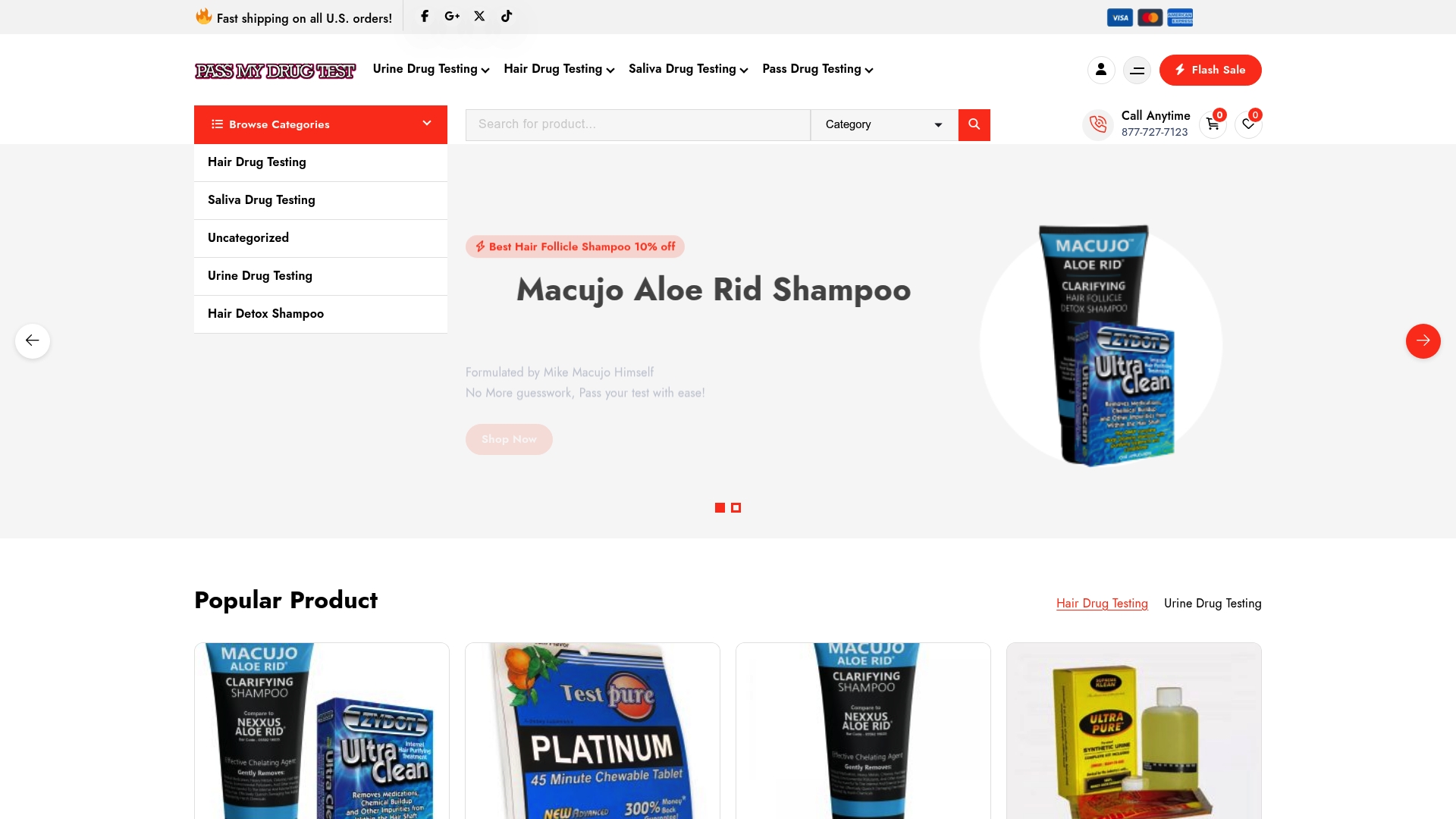
If you’re facing a hair follicle test specifically, ingredient buildup in the hair shaft behaves nothing like urine chemistry, which is why hair detox shampoo is sold as its own category rather than bundled into a general “cleanse” kit. Browse the full product lineup to see what matches your test date and test type, and if you’re dealing with dependence, withdrawal risk, or any medical concern alongside an upcoming screening, talk to a clinician before relying on any product at all. Customer support is available by phone during business hours for questions before ordering.
Sources
- Do detoxes work? – UChicago Medicine
- Detoxes and cleanses: what you need to know – NCCIH (NIH)
- Do liver cleanse and detox drinks work? – Healthline
- Consumerlab
This article is general information, not a substitute for advice from a qualified doctor. Consult a qualified healthcare professional about your own circumstances before acting on anything here.
FAQ
What Is the Best Drink to Clean Out Your System?
There isn’t one that reliably works for passing a drug test. Water, in normal amounts, supports your body’s natural clearance process, but no commercial detox drink has strong evidence behind it for removing metabolites faster than your liver and kidneys already do on their own.
Do Detox Cleanses Actually Work?
Not for removing toxins or drug metabolites in any documented, reliable way. Reviews from NCCIH and other health researchers consistently find no compelling research supporting commercial cleanse products, and any perceived benefit is usually tied to hydration or dietary changes made alongside the cleanse.
Are Detox Drinks Good for You?
Generally, no. Many contain diuretics or laxatives that can cause dehydration, electrolyte imbalance, and digestive distress, and unlisted herbal additives have been tied to kidney and liver strain in some cases.
What Is the Fastest Way to Flush Your Body?
Time and abstinence remain the only dependable method, since detection windows vary by substance and test type rather than by anything you drink. If you’re managing withdrawal risk rather than just an upcoming test, medically supervised detox is the appropriate path, not a consumer product.
Do THC Detox Pills Actually Work?
They’re the least likely category to work, because THC metabolites store in fat tissue rather than clearing quickly through urine. Short-term pills or drinks have no strong mechanism to speed that process, which is a major reason detox drinks for THC specifically tend to underperform compared to other substances with shorter detection windows.