
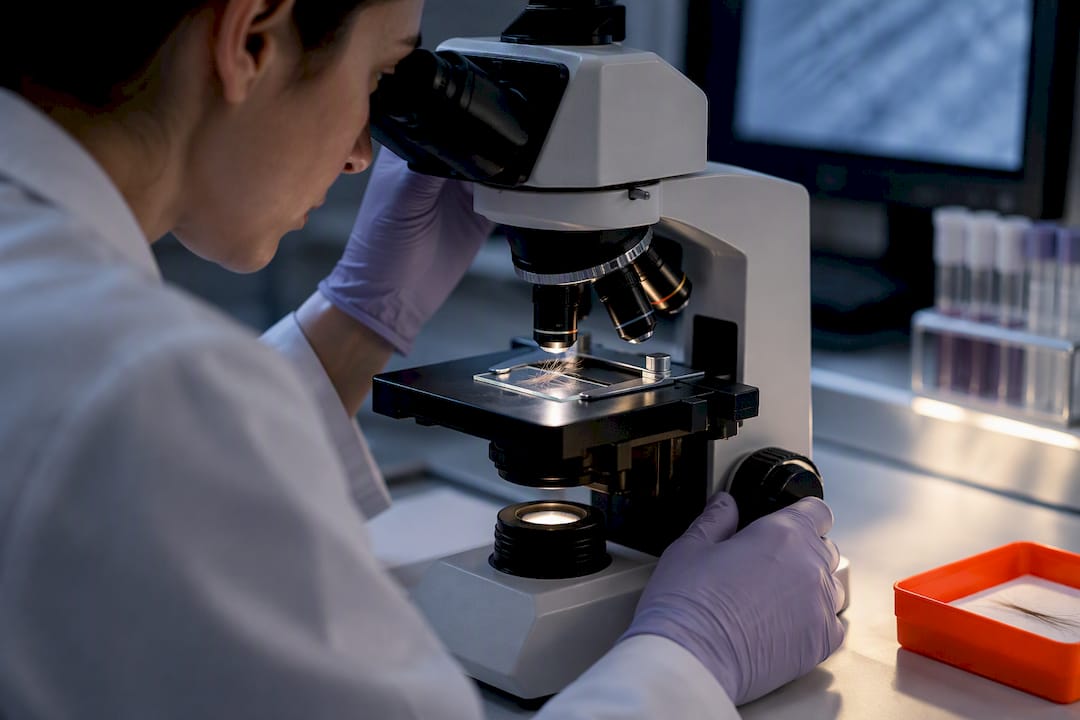
Shave Your Head? Why a 90 Day U.S. Hair Follicle Test Catches You
Shaving your head does not reliably stop a hair follicle drug test, and it often backfires. Collectors are trained to move straight to body hair when the scalp is bare, employers frequently treat a sudden shave as suspicious or a refusal to test, and the standard lookback window labs are hunting for runs about 90 days. Shaving buys nothing except a longer conversation with HR.
TL;DR:
- Shaving your head does not prevent detection because laboratories test body hair if scalp hair is absent, and body hair can carry a longer or less clear detection window.
- Chemical treatments like bleaching or dyeing rarely reduce embedded drug metabolites enough to produce a negative result, making detox shampoos ineffective.
- If you have no hair at all, drug testing shifts to urine or saliva, which have shorter detection windows and may lead to employer accusations of refusal or treatment as medical exceptions.
- Medical conditions causing hair loss can be protected under ADA rules, requiring documentation and alternative testing options, but last-minute shaves are usually viewed as evasive.
- Timing and documentation are crucial; understanding the detection window and seeking early medical or legal advice offers a better strategy than attempting to evade tests through gimmicks.
Table of Contents
- Does Shaving Your Head Beat a Drug Test? How the Science Works
- Does Shaving Your Head Work for a Drug Test? Separating Myth From Reality
- Can Body Hair Be Used for a Drug Test? Alternative Sampling Explained
- What Happens if You Have No Hair for a Drug Test?
- ADA Rules and Employer Drug Policies: What You Need to Know
- What Do Labs and Testing Authorities Actually Recommend?
- Why the Shaving Myth Persists (and Why It Backfires)
- Preparing for a Hair Test: How Passmydrugtest Can Help
- Sources
- FAQ
Does Shaving Your Head Beat a Drug Test? How the Science Works
Hair follicle testing works because drug metabolites travel through the bloodstream and get locked into the hair shaft as it grows. That’s a permanent record, not a surface stain, which is why washing or coloring hair barely touches it.
Labs typically collect the first 1.5 inches (3.9 cm) of hair closest to the scalp, since head hair grows roughly half an inch a month. That segment maps to about 90 days of history, which is exactly why employers favor hair testing over urine: it catches patterns of use that a same-week urine test would miss entirely, according to Quest Diagnostics’ testing guidance.
A standard sample needs:
- About 100 milligrams of hair, roughly a bundle the width of a pencil
- Hair cut close to the scalp, not from the ends
- Enough length to isolate the most recent 90-day segment
Pro Tip: If you’re worried about a specific window, don’t guess. Ask the collector or your test coordinator exactly which segment they’re analyzing before assuming older use won’t show up.
Once collected, samples go through an initial immunoassay screen, then any positive result gets confirmed with GC-MS or LC-MS/MS, methods sensitive enough that bleaching or dyeing rarely erases enough metabolite residue to flip a confirmed positive to negative.
Does Shaving Your Head Work for a Drug Test? Separating Myth From Reality
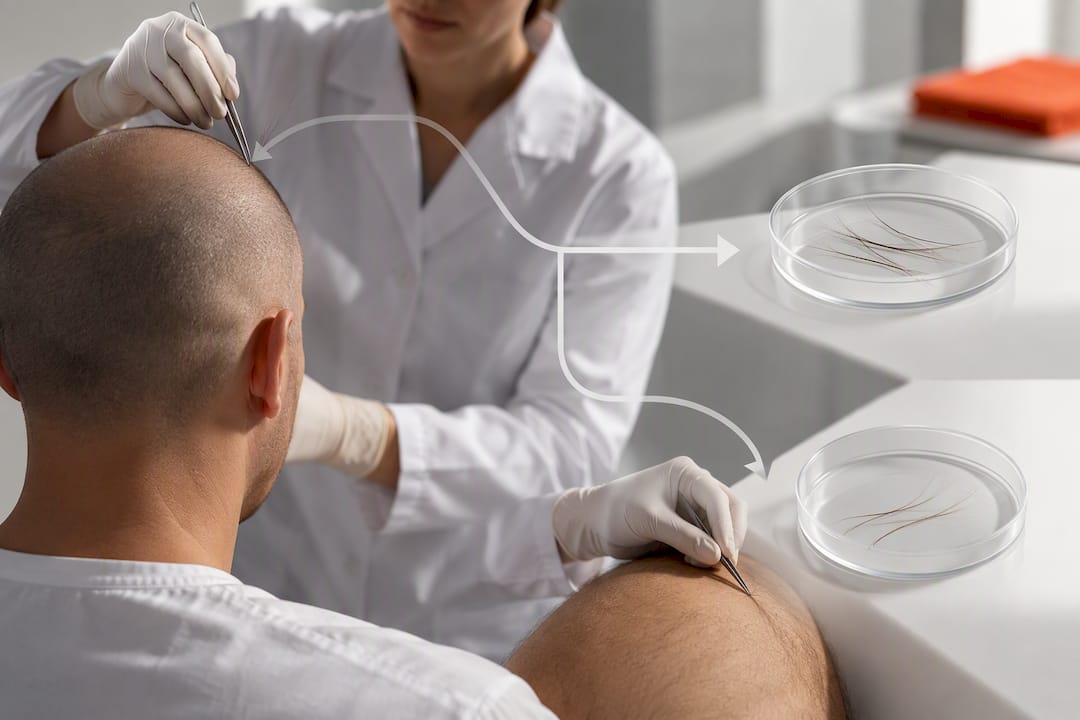
Shaving your head doesn’t erase the problem. It just relocates it. Collectors trained in hair testing protocol are told to pivot to body hair the moment a donor shows up bald, and body hair can carry a wider or murkier lookback than the neat 90-day head hair window.
Detox shampoos, at-home bleaching kits, and specialty rinses marketed as hair drug testing solutions face the same wall. Laboratory research on hair decontamination has found that even aggressive chemical processing only minimally reduces embedded metabolite levels, not enough to reliably turn a real positive into a clean result.
Common ineffective tactics include:
- Over-the-counter detox or clarifying shampoos applied right before a test
- Bleaching or heavily dyeing hair to “strip” toxins
- Substituting someone else’s hair sample or a wig
There’s also a timing problem nobody talks about enough: showing up freshly shaved on test day is one of the fastest ways to look guilty, and a shave that coincides with a scheduled screening is exactly the kind of pattern employers and collectors are trained to flag.
Can Body Hair Be Used for a Drug Test? Alternative Sampling Explained
When head hair is unavailable, collectors work down a list of body hair sites, generally in this order of preference: chest, leg, arm, or underarm hair, with facial or beard hair sometimes accepted for men. Concentra’s occupational health guidance confirms body hair is an accepted substitute, provided it meets a minimum length of roughly 1.5 inches.
Body hair sampling comes with real tradeoffs:
- Collectors need more hair by volume since body hair strands are finer and lighter than scalp hair
- The sample source gets documented on the specimen label, so results are flagged as body hair, not head hair
- Growth cycles on the body are far less predictable than scalp growth
That last point matters more than most people realize. Because body hair grows in irregular, overlapping cycles rather than one steady rate, researchers note it can’t be segmented for a precise 90-day timeline the way head hair can. The window can stretch longer, and the result is a general read on recent use rather than a month-by-month picture.
What Happens if You Have No Hair for a Drug Test?
Shaving everything, scalp and body both, is rare, and it’s also the scenario most likely to leave a lab with nothing to test. If a person genuinely has no collectible hair anywhere, hair testing becomes impossible and the process shifts to a different specimen type entirely. Here’s what typically happens next:
- Urine testing gets requested, covering a much shorter detection window, often just days rather than months.
- Oral fluid (saliva) testing may be offered instead, with an even tighter window, usually under 72 hours.
- The employer decides how to proceed, which could mean rescheduling, requesting a different specimen, or, in some cases, treating the lack of hair as a refusal.
If you’re in this position, don’t wait for the lab to decide your fate. Contact the test coordinator directly, and if hair loss is medical, ask about a documented accommodation before the appointment, not after.
ADA Rules and Employer Drug Policies: What You Need to Know
Employers are generally within their rights to require hair testing as a condition of employment, and a refusal, including one interpreted from a suspicious last-minute shave, can be handled under company policy. Littler’s employment law guidance notes that employers may treat a candidate who shaves right after learning about a testing policy as having refused the test, and that can mean a withdrawn offer.
The exception is medical. If hair loss stems from a documented condition like alopecia or a medical treatment, that’s an ADA accommodation issue, not a refusal, and employers should offer an alternative specimen rather than penalize the candidate.
- Get medical documentation in writing before the test date if possible
- Ask HR directly what the company’s alternative-specimen policy is
- Check state and local rules, since some jurisdictions add protections beyond federal ADA baseline
What Do Labs and Testing Authorities Actually Recommend?
Industry guidance is consistent on one point: there’s no shortcut around embedded metabolites. The Society of Hair Testing’s research and lab protocols both favor head hair specifically because of its steady, active growth phase, which makes timeline interpretation far more reliable than body hair.
Severe chemical processing of hair reduces detectable metabolite concentrations only slightly. No home remedy or over-the-counter product has been shown to reliably eliminate embedded drug metabolites before a confirmatory test.
The practical takeaway: if you need to request an alternate specimen, ask before the appointment, not during it. And don’t mix body and head hair samples in your own head as interchangeable. Labs don’t treat them that way, and neither should you.
Why the Shaving Myth Persists (and Why It Backfires)
The shaving strategy survives because it sounds logical on the surface. No hair, no sample, right? But that logic ignores how collection protocols actually work, and it ignores human psychology. A test coordinator who watches someone show up freshly bald days after being scheduled for a hair test isn’t going to assume coincidence.
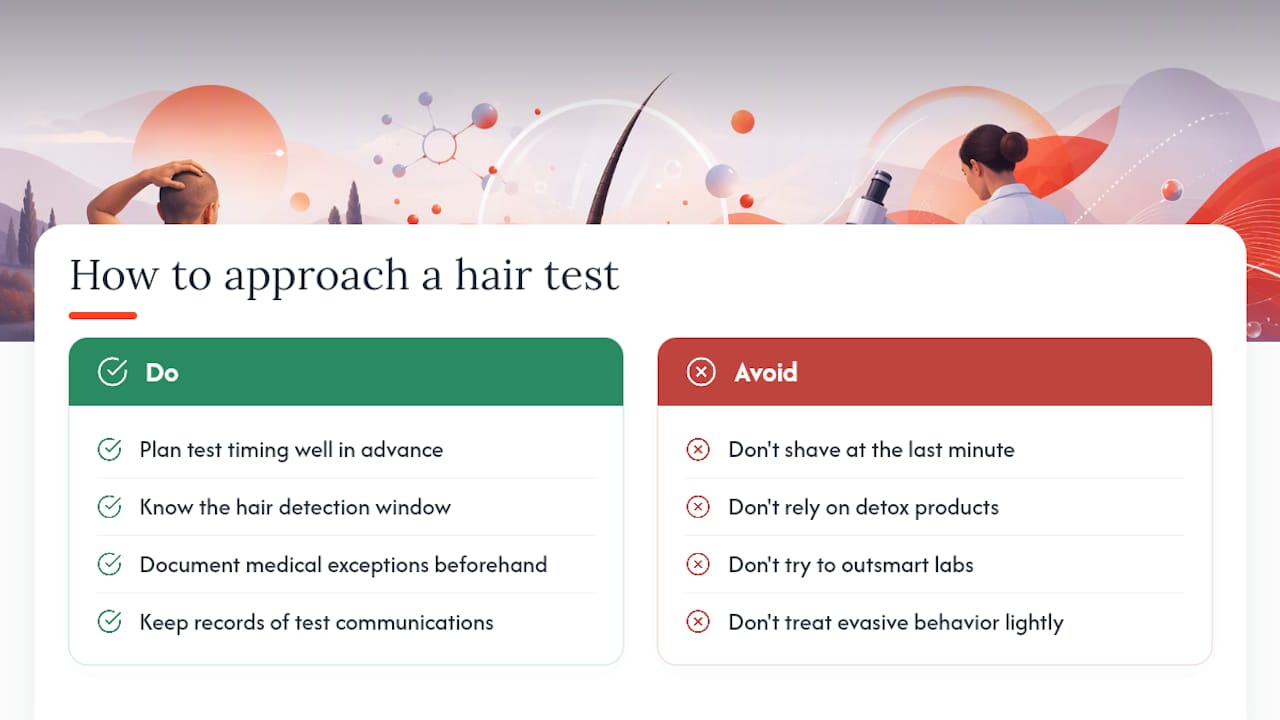
What the evidence actually supports is this: hair testing was built specifically to be hard to dodge, which is why employers choose it over urine screening in the first place. The conventional advice floating around forums, “just shave everything,” treats the test like a single point of failure. It isn’t. Collectors have a body hair fallback, labs have confirmatory chemistry that catches processing tricks, and employers have policies that treat evasive behavior as a red flag on its own.
If there’s one thing readers should prioritize, it’s timing and documentation over gimmicks. Understand your detection window before test day arrives, know what counts as a legitimate medical exception, and treat any detox product marketed as a guaranteed fix with real skepticism. The people who navigate this successfully aren’t the ones trying to outsmart the lab. They’re the ones who plan early enough that outsmarting anything isn’t necessary.
— MIchael
Preparing for a Hair Test: How Passmydrugtest Can Help
If you’re staring down a hair follicle test and want real information instead of forum guesswork, There are sites that give you educational guides and product options in one place, so you’re not piecing together advice from a dozen unreliable sources. That’s a practical edge: research and purchase decisions happening on the same visit, backed by fast shipping on U.S. orders and phone support for questions about which option fits specific situations.
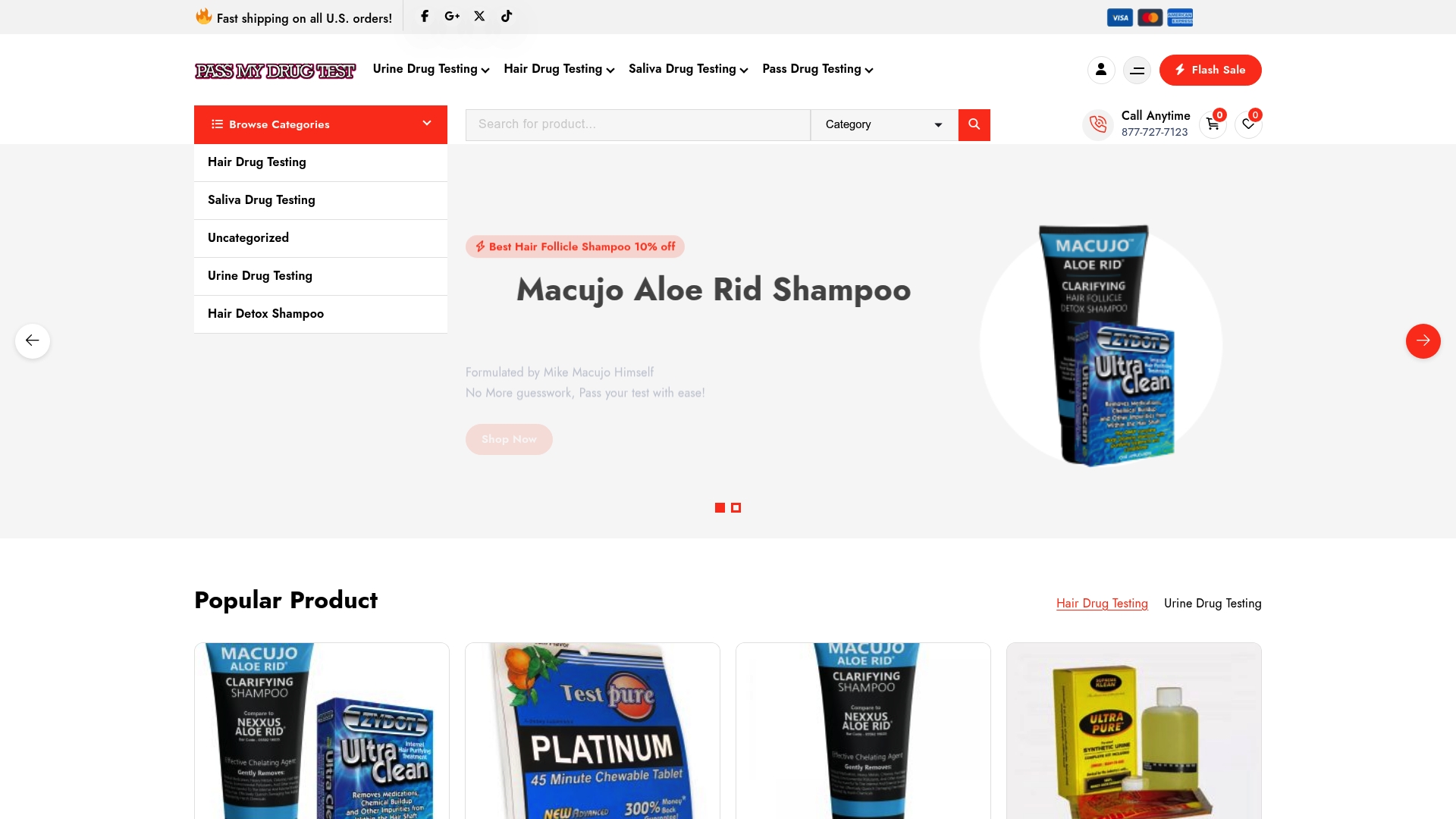
The site’s hair drug testing category covers detox shampoo options alongside saliva and urine testing resources, since your best next step depends heavily on which specimen type you’re actually facing and how much time you have before the appointment. Matching a product to your test type and timeline matters more than grabbing the first thing that shows up in a search, and Passmydrugtest’s hair drug test information hub walks through exactly that. No guarantees here, just clearer information than what you’ll find scrolling through anonymous forum threads. Start by reading up on your specific test type, then browse the relevant product category to see what fits your timeline.
Sources
- Hair Drug Testing 101
- Hair testing — FAQ (Quest Diagnostics)
- Hair follicle drug tests: everything you need to know (Medical News Today)
- Dear Littler: A potential new hire shaved his head after learning about our drug-testing policy (Littler)
FAQ
Can Beard Hair Be Used for a Drug Test?
Yes. Beard or facial hair is one of the accepted body hair alternatives when head hair isn’t available, provided it meets the minimum length requirement of about 1.5 inches. Collectors will note on the sample that it came from facial hair rather than the scalp, which affects how the result gets interpreted.
What Can Throw Off a Hair Follicle Test?
Very little reliably throws off a confirmed result, since labs use immunoassay screening followed by GC-MS or LC-MS/MS confirmation on any positive. Severe chemical processing like repeated bleaching can slightly reduce metabolite concentration, but not enough to consistently flip a true positive to negative.
Will I Still Pass a Hair Follicle Test if I Cut My Hair?
Cutting your hair shorter doesn’t remove metabolites from the segment that’s still attached near your scalp, and if you have no head hair left at all, collectors will simply move to body hair instead. The only scenario where a hair test becomes impossible is when a person has no collectible hair anywhere on their body, at which point testing shifts to urine or oral fluid.
Can You Pass a Hair Follicle Test in 30 Days?
It depends heavily on usage frequency and amount, since standard testing looks at roughly a 90-day window from the 1.5 inch segment closest to the scalp. Thirty days of abstinence won’t remove hair that already grew during active use, so the older growth still sits in that tested segment until it’s naturally cut away over time.