
Poppy Seeds and Drug Tests: What You Need to Know
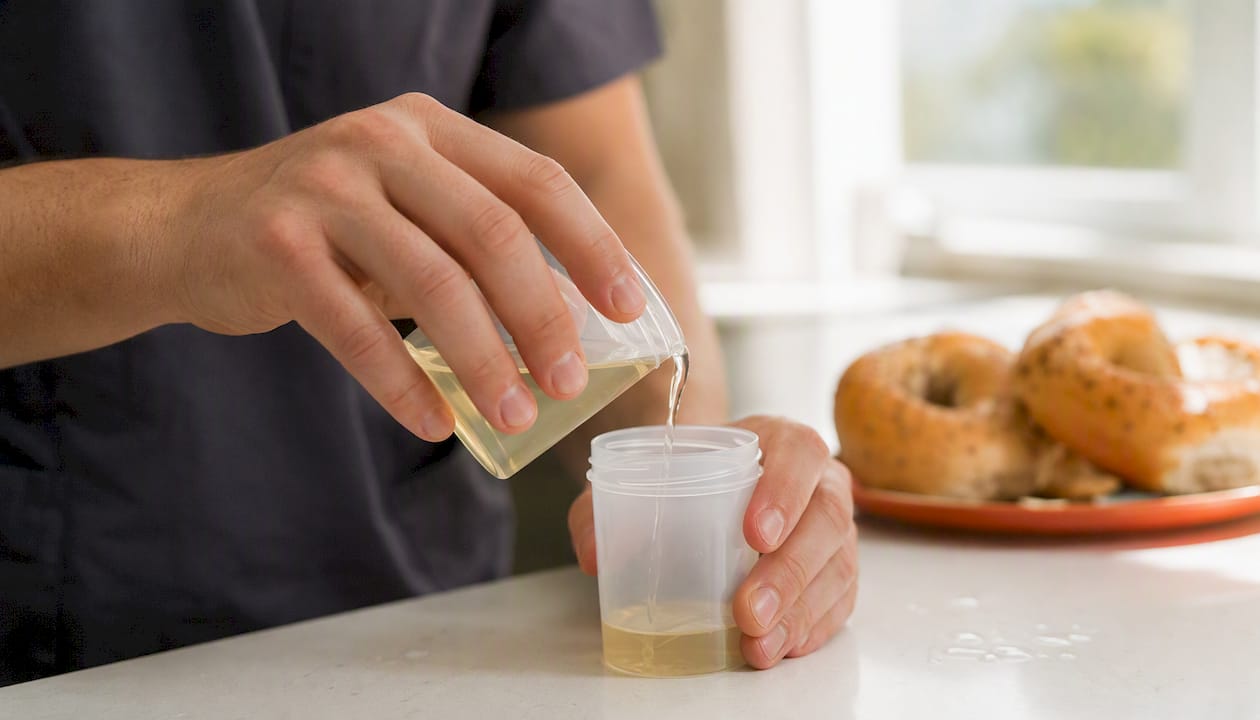
Yes, eating poppy seeds can cause a positive opiate result on a drug test. This is not a myth or an urban legend. Laboratory and clinical reporting confirm that consuming as little as one to two teaspoons of poppy seeds can be enough to trigger a positive opiate screen on a sensitive urine test. A single bagel or muffin loaded with poppy seeds can push your urine morphine concentration above the threshold a lab uses to flag a positive result.
Here is what the evidence shows for detection windows:
- Urine: Morphine becomes detectable within roughly 30 minutes of ingestion and can remain detectable for up to 48–60 hours in some cases, depending on how much you ate and which cutoff the lab uses.
- Oral fluid/saliva: Peaks within minutes and typically clears within a few hours.
- Blood: Short detection window; dietary amounts rarely produce a sustained signal.
- Hair: Dietary poppy-seed consumption is unlikely to produce a positive hair test at normal serving sizes.
The key number to know: urine morphine concentrations can reach up to 2,000 ng/mL for several hours after eating poppy-seed baked goods, with no pharmacologic effect on the person. That concentration sits right at the federal workplace testing cutoff, which means a single serving can land you in a gray zone.
Key Takeaways
Poppy-seed ingestion is a documented, evidence-backed cause of positive opiate drug test results, and the risk is real even from a single serving of a common baked good.
Table of Contents
- How a poppy seeds drug test actually works
- What the studies and advisories actually say
- Detection windows by sample type
- Why some people test positive and others do not
- What to do if your opiate screen comes back positive
- Employer and military rules: how institutions handle poppy-seed positives
- Evidence-based recommendations: what the research advises
- The real stakes of a dietary positive
- What Passmydrugtest offers readers facing this situation
- Sources
How a poppy seeds drug test actually works
Drug tests for opiates run in two stages, and understanding both stages changes how you respond to a positive result.
Stage 1: Immunoassay screening. The initial test is fast, inexpensive, and designed to catch as many positives as possible. It uses antibodies that react to morphine and structurally similar compounds. The problem is cross-reactivity: the antibody does not distinguish between morphine from a poppy-seed bagel and morphine from illicit drug use. If your urine concentration clears the cutoff, the screen flags positive regardless of source.
Stage 2: Confirmatory testing. Gas chromatography/mass spectrometry (GC-MS) or liquid chromatography/tandem mass spectrometry (LC-MS/MS) is the scientific standard for resolving a positive screen. These methods identify specific analytes, measure concentrations precisely, and can assess metabolite patterns that help distinguish dietary exposure from illicit use. Mayo Clinic Laboratories notes that MRO (Medical Review Officer) involvement is critical at this stage, because an MRO can evaluate whether a positive likely reflects dietary exposure versus drug use.
Poppy seeds contain morphine and codeine as natural alkaloid residues, not because the seeds are processed into drugs, but because the opium latex from the Papaver somniferum plant contaminates the seed surface during harvest. Commercially washed seeds have lower residues; unwashed seeds retain opiate-rich latex and can contain far higher concentrations.
The federal cutoff history matters here. SAMHSA and federal workplace testing guidance raised the opiate screening threshold from 300 ng/mL to 2,000 ng/mL in 1998 specifically to reduce dietary false positives. Private employers and non-federally mandated programs are not required to use that higher cutoff. Some still test at 300 ng/mL, which dramatically increases the chance that a poppy-seed muffin sends you to a confirmatory test.
Pro Tip: If you receive a positive screen result, immediately ask whether confirmatory GC-MS or LC-MS/MS testing will be performed. Under federal workplace testing rules, a confirmed positive requires MRO review before any adverse action. Private employers may have different procedures, so ask in writing.
What the studies and advisories actually say
The evidence base here is solid and spans peer-reviewed research, clinical-lab advisories, and government memos.
UF Health’s addiction and pain medicine specialists confirm that common foods like bagels and muffins with poppy seeds can produce morphine positives, and they encourage patients to disclose recent dietary intake to collectors and MROs. That clinical backing matters when you are trying to explain a positive result to an employer.
Bakery products containing poppy seeds can result in urinary morphine concentrations up to 2,000 ng/mL for several hours after ingestion, with no pharmacologic effect from the dietary exposure. An MRO can evaluate whether a positive likely reflects dietary exposure versus illicit use, making confirmatory testing and the donor interview critical steps. — Mayo Clinic Laboratories
The table below summarizes the key evidence from studies and advisories:
Key points from the advisory record:
- The Department of Defense issued a formal memo directing service members to avoid all poppy-seed consumption because it can cause codeine-positive urinalysis results.
- SAMHSA’s 1998 cutoff change was a direct policy response to documented dietary positives, not a theoretical concern.
- Food processing reduces alkaloid content, but baking does not eliminate the risk entirely at lower test cutoffs.
Detection windows by sample type
Urine
Urine is by far the most common sample type for workplace and legal drug testing, and it carries the highest risk from poppy-seed ingestion. Medical News Today’s clinical summary reports morphine becoming detectable within approximately 30 minutes of eating poppy seeds, with some cases showing detection up to 48–60 hours later. The window depends heavily on how much you ate, whether the seeds were washed or unwashed, and which cutoff the lab applies.
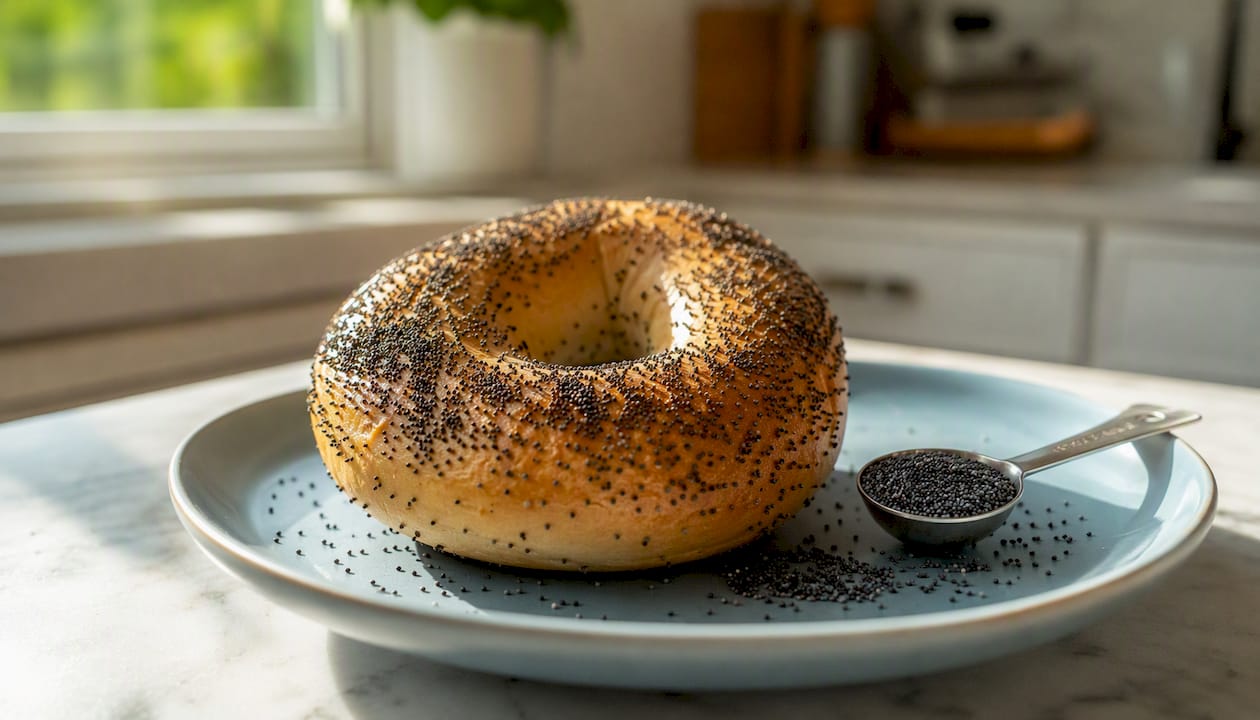
At the 2,000 ng/mL federal cutoff, a single bagel may not push you over the line. At 300 ng/mL, it very likely will. That gap is why the same meal can produce different outcomes at different testing programs.
Oral fluid/saliva
Oral fluid tests are faster to administer and harder to adulterate, which is why roadside and some workplace programs use them. A ScienceDirect study on oral fluid opioid detection found that morphine and codeine levels peak around 15 minutes after ingestion and drop to near baseline within 15–30 minutes. The practical implication: oral fluid testing poses a short but real window of risk immediately after eating poppy-seed foods.
Blood
Blood testing has a short detection window for morphine from dietary sources. First-pass metabolism limits how much morphine reaches systemic circulation from a food serving, and blood concentrations from normal dietary amounts are unlikely to sustain a positive result beyond a few hours. Blood testing is rarely used for routine workplace screening.
Hair
Hair follicle testing reflects drug exposure over weeks to months, not hours. Dietary poppy-seed consumption at normal serving sizes is unlikely to produce a positive hair test. The concentrations required to incorporate into hair follicles are substantially higher than what a bagel or muffin delivers. Unwashed seeds consumed in large quantities over time could theoretically change that picture, but it is not a documented concern for typical dietary exposure.
| Sample Type | Typical Detection Window | Amount Reported to Produce Positives | Test Type / Cutoff | Recommended Action After Positive |
|---|---|---|---|---|
| Urine | 30 min to 48–60 hours | 1–2 tsp; one bagel/muffin | Immunoassay screen; 300 or 2,000 ng/mL | Request GC-MS/LC-MS/MS confirmatory test |
| Oral fluid | Minutes to ~2–3 hours | Single serving | Immunoassay; varies by program | Disclose recent intake; request retest |
| Blood | 1–4 hours (dietary) | Dietary amounts rarely sustain positive | GC-MS if ordered | Disclose; consult MRO |
| Hair | Unlikely at dietary levels | Not documented at normal serving sizes | GC-MS/LC-MS/MS | Consult MRO; request review |
Why some people test positive and others do not
The same poppy-seed bagel can produce a positive result for one person and nothing for another. Several variables drive that difference.
Seed origin and processing. Poppy seeds from different geographic regions carry different alkaloid loads. Unwashed seeds retain opiate-rich latex and can contain concentrations far above what commercially processed seeds carry. Poppy-seed tea made from unwashed seeds is a qualitatively different product from a grocery-store bagel: clinical case reports document intoxication and dependence from tea use, not from baked goods.
Food processing. Baking reduces morphine content, but the reduction is not complete. Washing seeds before use cuts alkaloid levels further. The practical takeaway is that commercially baked goods carry lower risk than home-prepared dishes using bulk unwashed seeds, and poppy-seed tea sits in a different risk category entirely.
Amount consumed and timing. Eating a single teaspoon two days before a test is a very different scenario from eating a large poppy-seed cake the morning of a test. The closer to sample collection and the larger the serving, the higher the urine concentration at the time of testing.
Individual metabolism and hydration. Faster metabolism clears morphine more quickly. Dilute urine (from high fluid intake) lowers concentration and may push a borderline result below the cutoff. Concentrated urine from dehydration does the opposite.
Lab cutoff and test sensitivity. This is the variable most people overlook. A program using 300 ng/mL will catch far more dietary positives than one using the 2,000 ng/mL federal threshold. You often cannot know in advance which cutoff applies to your test.
Pro Tip: As a conservative precaution, avoid all poppy-seed foods for at least 48–72 hours before any scheduled urine or saliva drug test. If your test is unannounced, document everything you ate in the 72 hours prior as soon as you know a test is coming.
What to do if your opiate screen comes back positive
A positive screen is not a confirmed positive. Here is the sequence that protects you.
Immediate steps:
- Stay calm and review all paperwork you received at collection.
- Write down everything you ate in the 72 hours before the test, including brand names, amounts, and timing.
- Notify the collector or your employer’s HR contact that you recently consumed poppy-seed foods, and do so in writing.
- Request confirmatory GC-MS or LC-MS/MS testing explicitly and in writing.
- Keep any receipts, food packaging, or other documentation of what you ate.
What confirmatory testing looks for. GC-MS and LC-MS/MS identify specific opiate analytes and measure concentrations precisely. Labs and MROs can assess metabolite patterns: for example, the presence of 6-monoacetylmorphine (6-MAM) is a marker specific to heroin use and would not appear from dietary poppy-seed ingestion. The absence of 6-MAM, combined with morphine and codeine concentrations consistent with dietary exposure, supports a dietary explanation.
Working with the MRO. A Medical Review Officer is a licensed physician trained to evaluate drug test results in context. Present your documented food timeline, receipts, and any witness statements. The MRO conducts a donor interview and can report a result as negative if the evidence supports a non-drug explanation. This step is your strongest protection.
If the result is still reported positive. Request a chain-of-custody review to verify sample handling. Ask about the retest option on the split specimen if one was collected. Consult an employment attorney if the result affects your job or security clearance. For military personnel, the consequences are more severe and the timeline for appeals is tighter.
Pro Tip: For false positive drug testing situations, the MRO interview is not optional under federal workplace testing rules — it must happen before any adverse employment action. If your employer skips this step, that is a procedural violation worth documenting.
Employer and military rules: how institutions handle poppy-seed positives
The stakes vary dramatically depending on who is testing you.
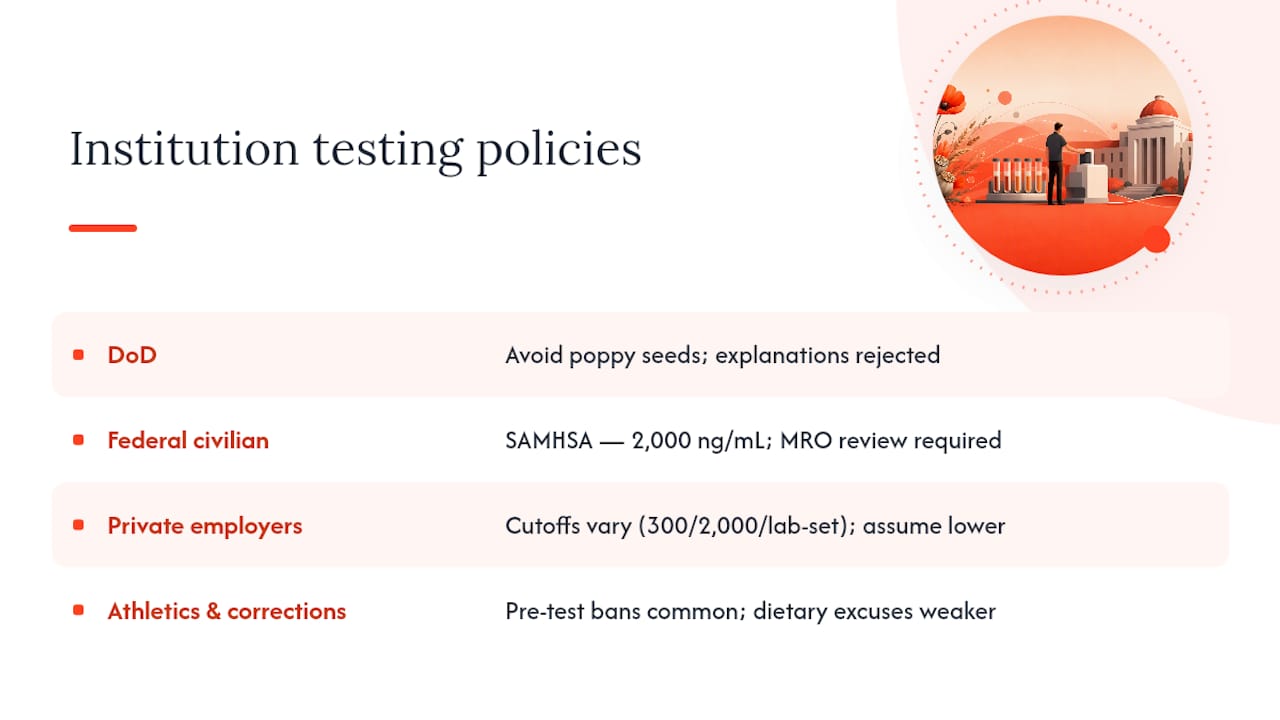
Department of Defense. The DoD does not treat poppy-seed ingestion as an acceptable explanation after the fact. The DoD’s formal warning memo instructs all service members to avoid poppy seeds entirely while policy is under review, because consumption can cause codeine-positive urinalyses and undermine drug-testing integrity. The memo recommends departmental notification and avoidance, not post-hoc explanation.
The Department of Defense warns that poppy seed consumption can cause codeine-positive urinalysis results. Service members are directed to avoid poppy seeds and to notify their chain of command if they have recently consumed them. — DoD Warning Memo, 2023
Federal civilian workplace testing. SAMHSA’s federal workplace guidelines govern agencies subject to Executive Order 12564 and the Drug-Free Workplace Act. The 2,000 ng/mL cutoff applies here, and MRO review is mandatory before any adverse action. A documented dietary explanation can result in a negative MRO determination.
Private employers. Private-sector programs are not bound by federal cutoffs. Some use 300 ng/mL, some use 2,000 ng/mL, and some use panels from labs that set their own thresholds. Employee urine drug testing policies vary widely, and you may not know which cutoff applies until you are already in the process. The safest approach is to treat every upcoming test as if it uses the lower threshold.
Athletic anti-doping and corrections programs. Some athletic anti-doping bodies and prison furlough programs explicitly restrict poppy-seed foods before testing. If you are subject to one of these programs, check the specific rules in writing. A dietary explanation carries less weight in programs that have pre-emptively warned participants to avoid the food.
Evidence-based recommendations: what the research advises
The practical guidance that emerges from the combined evidence is straightforward.
Avoid poppy-seed foods for at least 48–72 hours before any urine or saliva test. Medical News Today’s clinical summary supports this window as a conservative precaution. Given that some individuals show detectable morphine up to 60 hours post-ingestion, 48 hours is the minimum; 72 hours is safer.
Even a small amount carries risk. One to two teaspoons can trigger a positive on a sensitive immunoassay screen. A single bagel is enough. This is not a dose-response situation where you can safely eat “just a little.”
Choose processed, commercially washed seeds when you cannot avoid them. Baked goods from commercial bakeries carry lower alkaloid loads than home preparations using bulk seeds. Poppy-seed tea and unwashed seeds are high-risk and should be avoided entirely before testing.
Keep records of meals. If you eat poppy-seed foods within a week of a scheduled test, photograph the packaging and note the date and amount. This documentation is your first line of defense if a screen comes back positive.
Know your program’s cutoff. For federal workplace tests, the 2,000 ng/mL threshold provides meaningful protection. For private employer tests, assume the lower threshold applies unless you can confirm otherwise. For military testing, assume zero tolerance.
Hemp seed oil is a separate concern. Cannabinoid profiling research shows hemp seed oils can contain trace cannabinoids depending on processing, which creates a different drug-test risk (THC, not opiates). Hemp oil drug test concerns involve THC panels, not opiate panels. The two issues are unrelated and should not be confused.
The real stakes of a dietary positive
The poppy-seed drug test problem is one of those situations where the science is clear but the institutional response is not always rational. Studies have documented this phenomenon for decades. Federal policy adjusted cutoffs in 1998 specifically because dietary positives were causing real harm to real people. And yet the DoD still had to issue a formal warning memo in 2023 because the problem had not gone away.
What frustrates me about how this topic gets covered is the implication that a positive result from eating a bagel is somehow a minor inconvenience. For a service member, it can end a career. For someone on probation, it can mean incarceration. For a job applicant, it can mean losing an offer before they ever get to explain themselves.
The confirmatory testing step exists precisely for situations like this. GC-MS and LC-MS/MS are not bureaucratic formalities; they are the scientific tools that distinguish a dietary exposure from drug use. The MRO interview is not a courtesy; it is a legal protection. Knowing to ask for both, immediately and in writing, is the difference between a resolved misunderstanding and a life-altering consequence.
Tell the collector or MRO if you ate poppy-seed foods recently. Document it. Request confirmatory testing. Do not assume the problem will sort itself out.
What Passmydrugtest offers readers facing this situation
Facing a drug test with a dietary positive on your record is stressful, and the window to act is short. Passmydrugtest gives you one place to research your options, compare drug testing methods, and find preparation products suited to your specific test type and timeline.
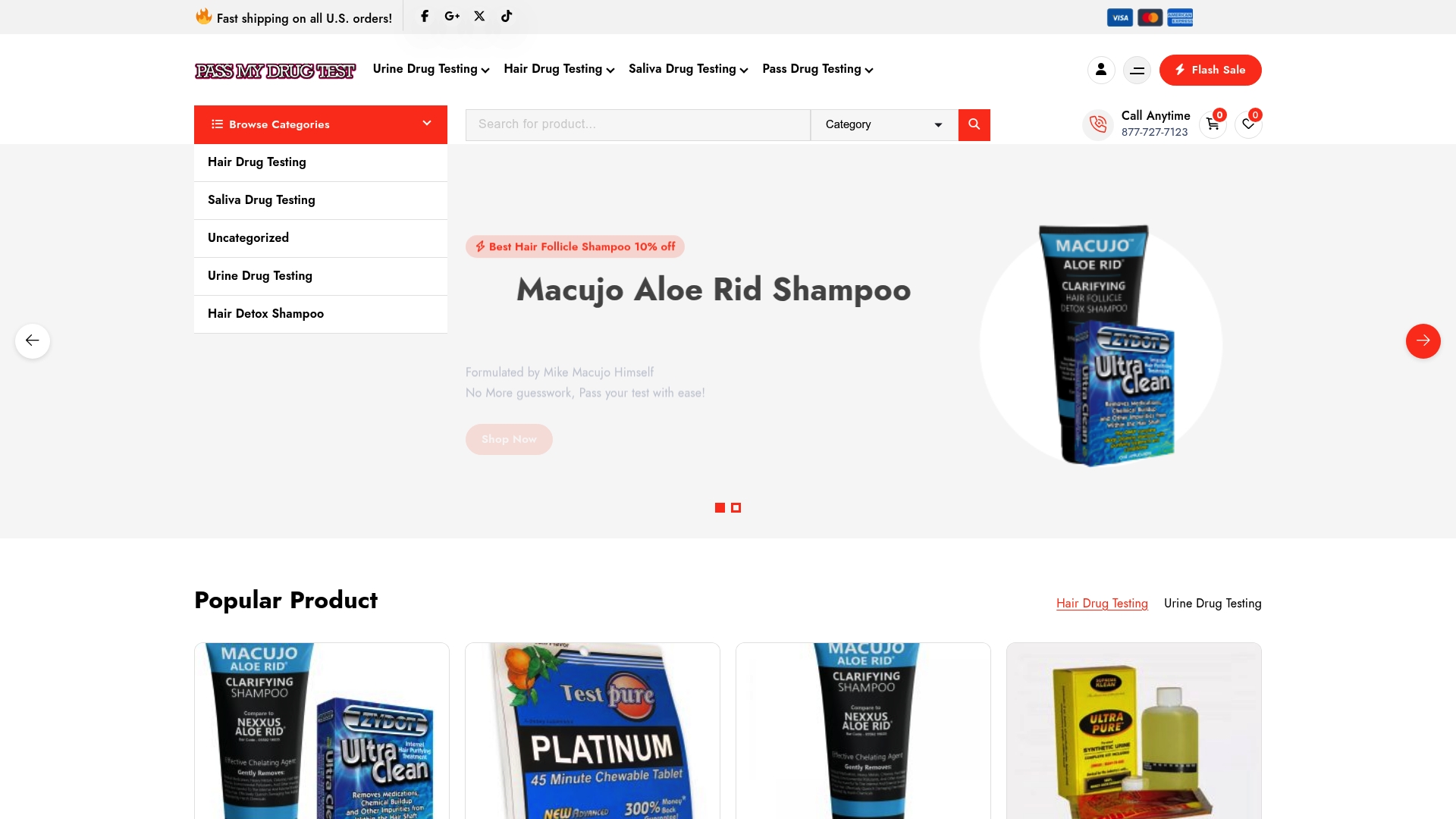
Whether you need to understand how urine screening cutoffs affect your result, find at-home test kits to check your own levels before an official screen, or explore detox products designed for pre-test preparation, Passmydrugtest covers the full range. Fast shipping is available on U.S. orders, and phone support is available during published business hours. If you are preparing for a workplace, legal, or pre-employment screen and want to know exactly where you stand, start with the easy ways to pass a drug test guide on the site.
Sources
The following sources were used in this article and are recommended for further research:
- Yes, eating poppy seeds can make you fail a drug test | Popular Science
- Opiates – Mayo Clinic Laboratories
- SUBJECT: Warning Regarding Poppy Seed Consumption and Military Drug Testing
- SAMHSA – Substance Abuse and Mental Health Services Administration
- Unwashed poppy seed (drug information) – DEA/Deadiversion
This article is for general informational purposes only and does not constitute medical, legal, or professional advice. Confirm current testing rules and policies with the relevant authority or a qualified professional.
This article is general information, not a substitute for advice from a qualified doctor. Consult a qualified healthcare professional about your own circumstances before acting on anything here.