
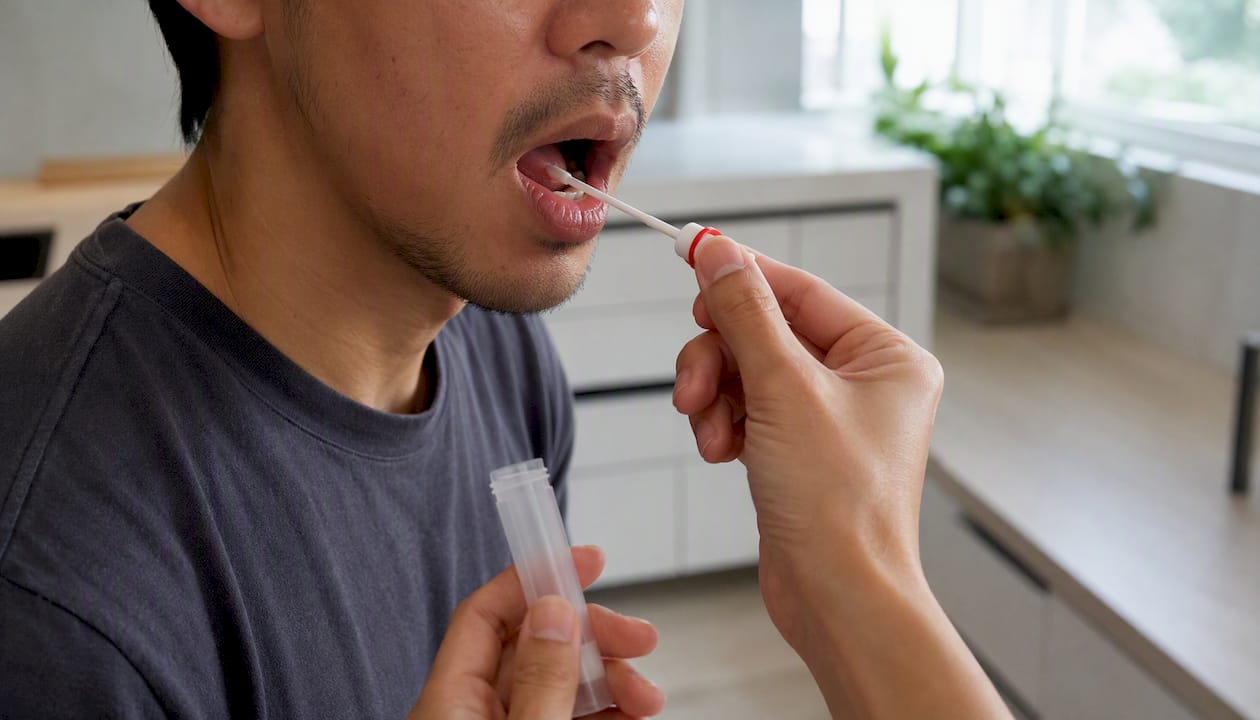
California Drug Testing Laws: What Test-Takers Must Know
As of January 1, 2024, California employers generally cannot take adverse action against you solely because a drug test detected nonpsychoactive cannabis metabolites. That single shift, driven by Gov. Code §12954 (AB 2188), changes how you should read a test result and which products actually matter for your situation.
What you need to know right now:
- Pre-employment testing is only lawful after a conditional job offer, per Cal. Code Regs. Tit. 2, §11071.
- Urine screens detect past metabolite presence, not current impairment. Oral-fluid/saliva tests detect recent use. Blood tests are context-specific.
- Reasonable-suspicion and post-accident testing require documented, articulable facts, not a hunch.
- Federal safety-sensitive roles (DOT, aviation, nuclear), court-ordered tests, and probation testing are carved out from most California protections.
- At notification: request written confirmation of the test basis, insist on chain-of-custody procedures, and flag any ADA or prescription-drug considerations immediately.
Pro Tip: If you take a prescription medication that could trigger a positive, tell the Medical Review Officer (MRO) before the test, not after. Disclosing post-result is harder to act on.
Key Takeaways
California’s 2024 cannabis protections mean a metabolite-only urine positive generally cannot cost you a job, but oral-fluid tests detecting active THC remain lawful grounds for employer action.
| Point | Details |
|---|---|
| Cannabis metabolite protection | Gov. Code §12954 bars adverse action solely for nonpsychoactive metabolites from off-duty use, effective January 1, 2024. |
| Pre-employment timing | Testing is only lawful after a conditional job offer under Cal. Code Regs. Tit. 2, §11071. |
| Oral-fluid vs. urine | Urine screens detect past metabolites; oral-fluid tests detect recent use, which is what employers now legally target. |
| Federal exceptions | DOT, FAA, and other federally regulated roles are exempt from California cannabis protections entirely. |
| Passmydrugtest | Offers detox products, at-home THC kits, and oral-fluid prep matched to the test type you’re facing. |
Table of Contents
- What California law requires employers to do when ADA or prescriptions are involved
- Medical marijuana and California employment: what the law actually protects
- What happens to employers who violate California drug testing rules
- The drug testing process from notification to final resolution
- What the 2024 laws get right, and what they miss
- Passmydrugtest can help you prepare the right way
- Where to read the primary law and official guidance
- Sources
What California law requires employers to do when ADA or prescriptions are involved
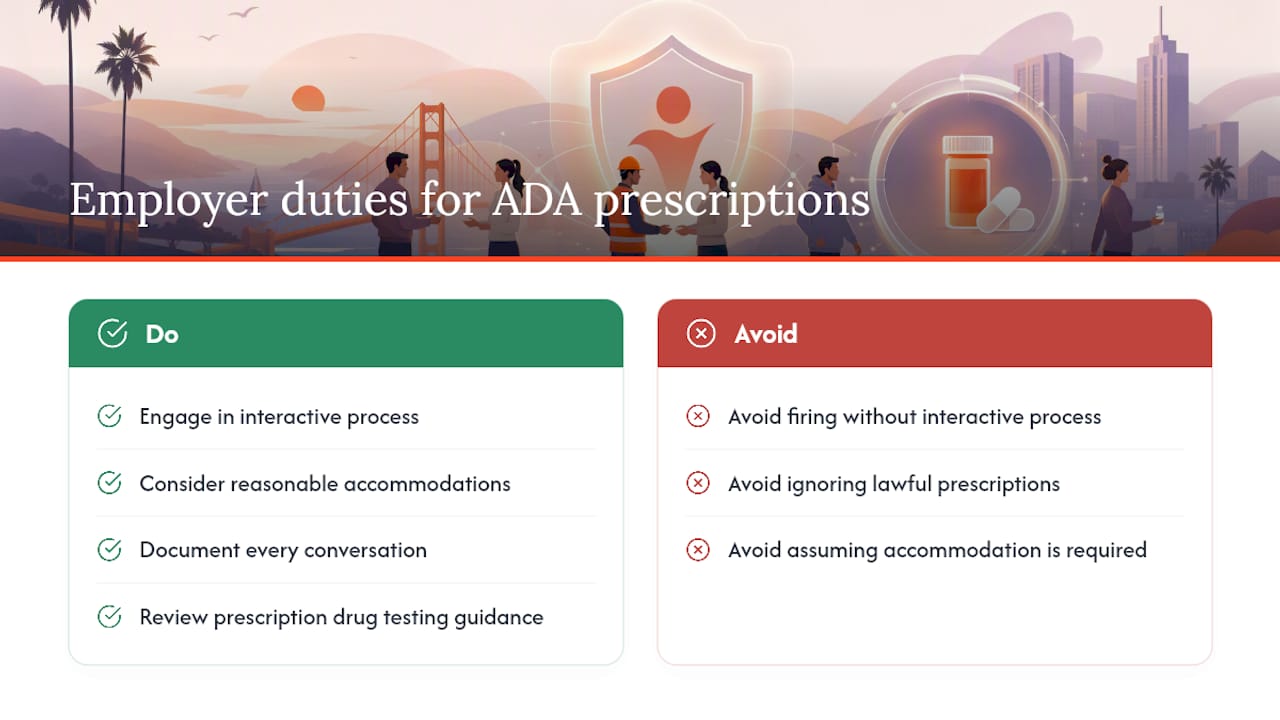
The Americans with Disabilities Act and California’s Fair Employment and Housing Act both require employers to engage in an interactive process before acting on a positive result tied to a lawful prescription or a disability-related medication. That means if your test flags positive because of a prescribed opioid, benzodiazepine, or other controlled substance, the employer must consider whether a reasonable accommodation exists before taking action. Prescription drug testing guidance can help you understand what labs actually screen for.
Employers are not required to accommodate impairment on the job, but they cannot simply fire you for a metabolite tied to a lawfully prescribed drug without that interactive process. Document every conversation. If an employer skips the interactive step entirely, that omission can support a FEHA complaint.
Medical marijuana and California employment: what the law actually protects
Medical marijuana cardholders get no special exemption beyond what AB 2188 already gives everyone. The protection is the same: Gov. Code §12954 bars adverse action based solely on nonpsychoactive metabolites from off-duty use, regardless of whether that use was medical or recreational. The California Civil Rights Department confirms employers cannot discipline solely for a metabolite-only positive, but they can act if a test detects psychoactive THC indicating recent impairment.
That distinction matters practically: a urine screen showing only THC-COOH (a nonpsychoactive metabolite) should not cost you a job under California law. An oral-fluid test showing active THC can.
What happens to employers who violate California drug testing rules
Violations of Gov. Code §12954 and SB 700 expose employers to FEHA claims, which can include reinstatement, back pay, compensatory damages, and attorney’s fees. California’s constitutional right to privacy adds a separate layer: courts have found that invasive or unjustified testing procedures can independently support a privacy tort claim. Random testing outside federally regulated or narrowly defined safety-sensitive roles carries significant legal risk for employers precisely because of that privacy right.
The drug testing process from notification to final resolution
- Employer notification. You receive written or verbal notice. Ask for the legal basis and the test type.
- Pre-test. Chain-of-custody forms are completed. You provide the sample under observed or unobserved conditions depending on test type.
- Lab analysis. An initial immunoassay screen runs first. A positive triggers GC-MS confirmation.
- MRO review. A Medical Review Officer contacts you to ask about lawful prescriptions before reporting a confirmed positive to the employer.
- Employer decision. Under California law, a metabolite-only cannabis positive cannot be the sole basis for adverse action. Any other confirmed positive triggers the employer’s policy response.
- Challenge window. Request the chain-of-custody records and lab report. Ask for split-sample retesting if available. False positive screening information can help you identify whether a retest is warranted.
- Escalation. If you believe §12954 or SB 700 was violated, file a complaint with the California Civil Rights Department within three years of the violation.
Pro Tip: The DGS reasonable-suspicion standard requires a supervisor to document contemporaneous observations. Ask for that documentation in writing before the test if you dispute the basis.
What the 2024 laws get right, and what they miss
The AB 2188 / SB 700 framework is genuinely strong for off-duty cannabis users. Prohibiting metabolite-only adverse actions and restricting pre-hire questioning about past use are meaningful protections most states haven’t matched. But the framework has a gap most people miss: it does nothing for federally regulated workers. If your role touches DOT, FAA, NRC, or any other federal safety mandate, California’s cannabis protections simply do not apply. The federal standard governs, full stop.
The other underappreciated nuance: the shift toward oral-fluid testing is accelerating precisely because of AB 2188. Employers who want to screen for impairment now have a legal path to do it with a test that detects recent use rather than week-old metabolites. That means the test type you face is changing, and your preparation strategy should change with it. A urine detox approach does nothing for a saliva screen administered the morning of your shift.

Passmydrugtest can help you prepare the right way
Knowing your rights is step one. Knowing what the lab will actually detect is step two. Passmydrugtest offers detox products matched to specific test types, at-home marijuana test kits so you can check your own levels before a lab screen, and oral-fluid test prep for the saliva screens that are increasingly replacing urine tests in California workplaces. All product information is for lawful, informed preparation. Passmydrugtest does not support using products to deceive court-ordered or probation tests, and federal safety-sensitive roles carry their own legal obligations that no product can override.
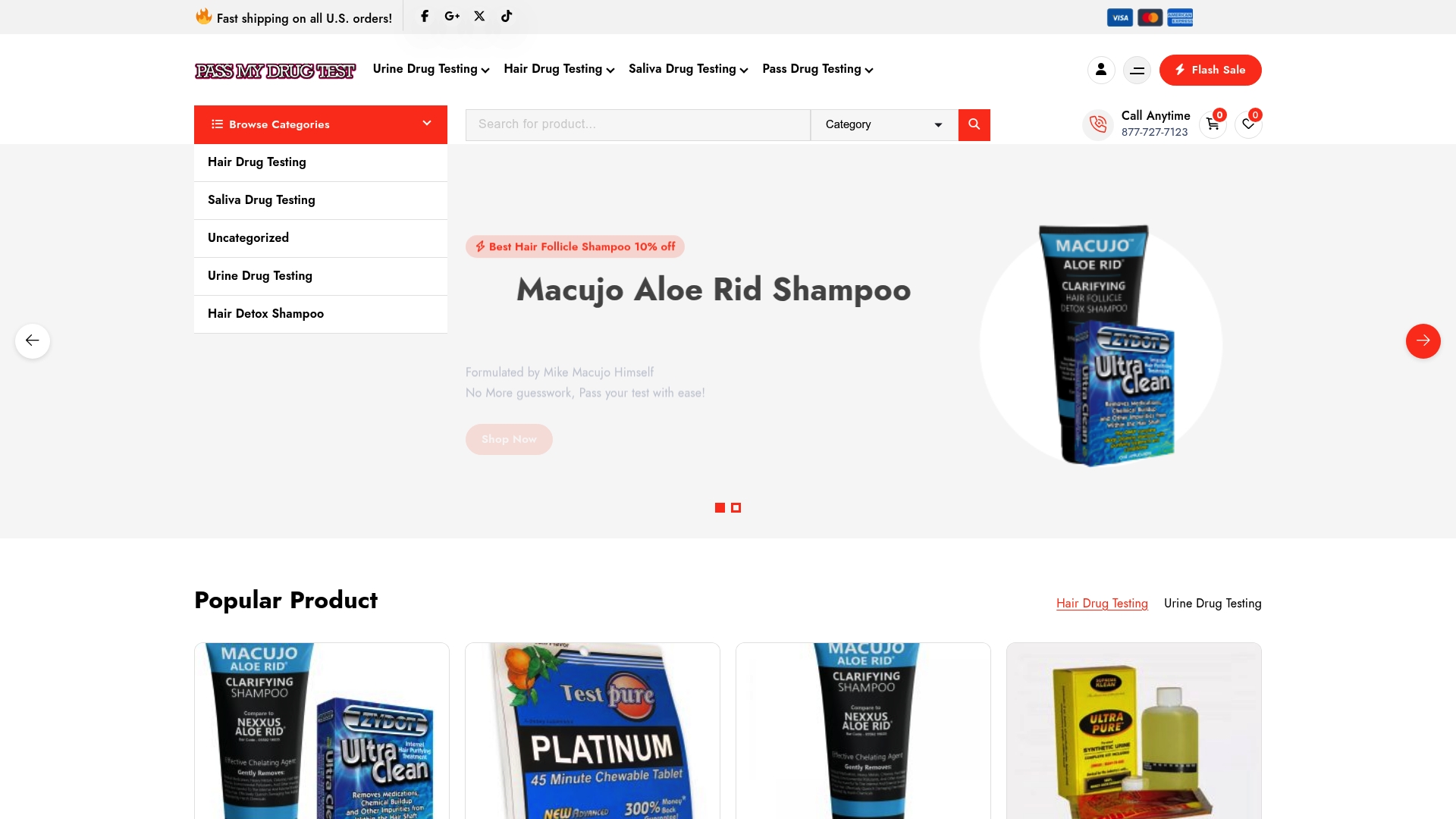
Browse the full product range at Passmydrugtest and match your prep to the test you’re actually facing.
Where to read the primary law and official guidance
Use these sources to verify your rights, document a challenge, or prepare for a complaint:
- Gov. Code §12954 — The core statute prohibiting metabolite-only adverse actions. Cite this when challenging a termination or rescinded offer.
- SB 700 bill text — Restricts pre-hire cannabis questions. Cite this if an employer asked about your past use during hiring.
- California Civil Rights Department Cannabis FAQ — Plain-language explanation of employer obligations. Most useful when filing a FEHA complaint.
- DGS Substance Abuse Program Guidelines — Defines the “good faith belief” and documentation standard for reasonable-suspicion testing.
- Cal. Code Regs. Tit. 2, §11071 — Governs pre-offer vs. post-offer testing timing and the job-relatedness requirement.
Before contacting an employment attorney or filing a complaint, gather: the written test notice, chain-of-custody records, the lab report, any employer policy documents you received, and a dated log of every conversation about the test.
This article is general information, not legal advice. Verify current rules with the California Civil Rights Department or a qualified employment attorney.
This article is general information, not a substitute for advice from a qualified lawyer. Consult a qualified legal professional about your own circumstances before acting on anything here.
Sources
- State Program — Substance Abuse Program Guidelines — DGS
- Cannabis Use FAQ — California Civil Rights Department
- California Government Code § 12954
- SB‑700 Employment discrimination: cannabis use — Bill Text / Status
- Cal. Code Regs. Tit. 2, § 11071 — Medical and Psychological Examinations and Inquiries