
What to Bring to a Drug Test: A Practical Checklist
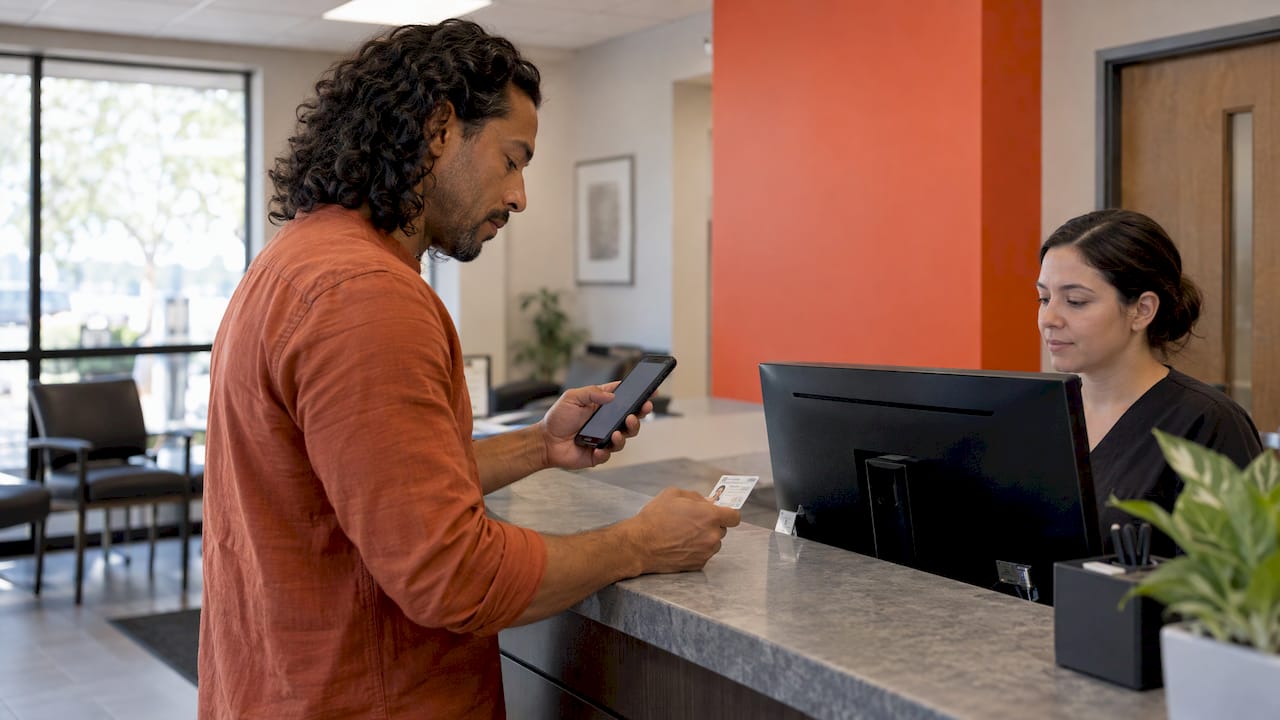
Bring a valid, unexpired government-issued photo ID, your appointment confirmation or the authorization your employer gave you, and your phone with the details on it. Leave bags, extra layers and anything you don’t need outside the restroom area. That covers most urine collections in the United States. The rest of this guide explains why each item matters, what changes for federal and DOT tests, and what the collector will do once you walk in.
TL;DR
- Bring a valid government-issued photo ID with a name that matches your test authorization. Expired IDs and student IDs are commonly turned away.
- Bring the employer paperwork, registration email, QR code or reference number you were given, on paper or on your phone.
- Prescriptions: for a federal test you don’t need to carry medication information. For a private employer test, ask the employer or lab, and keep your prescription details handy at home.
- Expect to empty your pockets, leave bags and outer layers behind, and wash your hands before you give the sample.
- Arrive early, drink normally, and stay until the collection is finished. Leaving early counts as a refusal on a federal test.
Table of Contents
- The drug test checklist at a glance
- Photo ID: the one item you can’t skip
- Paperwork and authorization
- Prescriptions and medication information
- What to leave behind
- Before you leave the house
- What happens once you check in
- Does the type of test change what you bring?
- Pre-employment tests: a few extra tips
- Our perspective
- Get ready for your specific test
- FAQ
- Sources
The drug test checklist at a glance
| Item | Why it matters | Where it applies |
|---|---|---|
| Valid government-issued photo ID | The collector must confirm who you are before starting | Every collection |
| Appointment confirmation, authorization form, QR code or reference number | Links your sample to the right employer or program | Most employer and program tests |
| Phone, charged | Holds the confirmation email and any order number | Whenever paperwork is electronic |
| Last five digits of your SSN or your employee ID | Used to fill in the form | Federal tests |
| Face covering | Some sites require one | Some federal sites |
| Prescription information (at home, or on hand if asked) | Helps if a medication question comes up later | Depends on the program |
| Nothing else | Bags and extra items stay out of the restroom | All collections |
Photo ID: the one item you can’t skip
Identity comes first. The collector asks you to show photo identification, and if your identity can’t be established, the collector must not go ahead with the collection. Under the federal transit guidelines, a collector who can’t confirm who you are contacts the employer’s designated representative to verify it. That is a delay you don’t want.
A few practical points:
- Use a government-issued photo ID. A driver’s license or passport is the safe choice. The federal donor instructions call for a valid government-issued photo ID.
- Check the expiration date days ahead. Some testing sites say that expired or voided IDs are not accepted, and neither are student IDs.
- Match the names. The name on your ID should line up with the name on the authorization the employer submitted. If you recently married, changed your name, or go by a nickname at work, tell the employer before the appointment.
If you’re renewing your license and only have a paper temporary copy, ask the person who scheduled your test whether that is acceptable before you drive over.
Paperwork and authorization
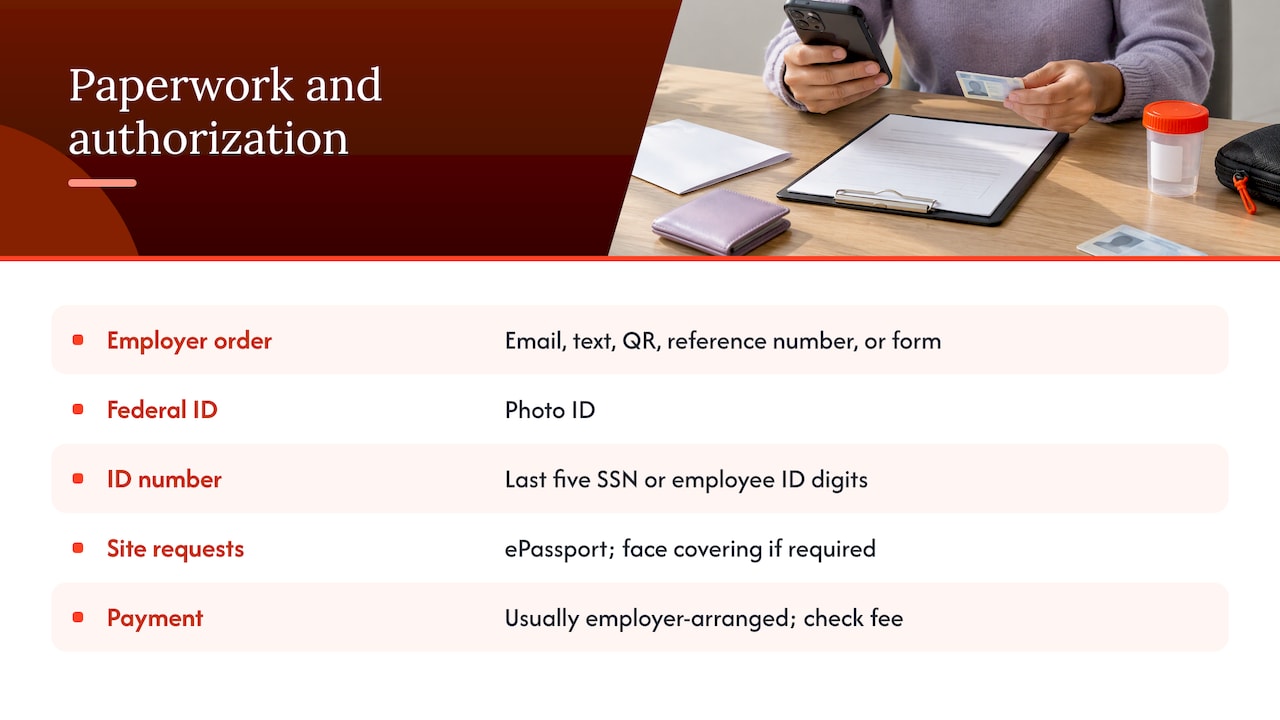
Most employer tests start with an order placed by the employer. You usually receive an email, a text, a QR code, a reference number or a printed form. Bring whichever you were given. You can show it on your phone, but a screenshot saved to your photos is smarter than depending on a signal inside a clinic.
For a federal test, the donor instructions are specific. You should bring a photo ID, be ready to give a urine specimen, and provide or verify the last five digits of your Social Security Number or other employee identification number. Some federal sites also ask for a hardcopy or electronic version of your ePassport and a face covering where the site requires one.
Things you can usually leave at home: cash. Federal donors are told not to bring money to pay for the test, because the agency handles it. For a private employer test, payment is normally arranged by the employer too, but read your instructions. If they mention a fee, bring what they say.
Prescriptions and medication information
This is where advice differs, so it helps to know why.
For federal tests, the instructions are clear: you do not need to bring prescription medicine or doctor notes to the clinic, and donors are told not to bring a list of medications. The reason is the process. If a result is positive for a drug you have a legitimate prescription for, the Medical Review Officer contacts you, and once the prescription is confirmed the result is reported to the agency as negative. Your medication conversation happens with the MRO, not the collector.
For private employer tests, practice varies by program. Some employers or labs ask you to list current prescriptions. The sensible approach:
- Read the instructions the employer sent. If they ask for a medication list, bring one.
- If they say nothing, keep your prescription bottle details or pharmacy information where you can reach them, in case the Medical Review Officer calls later.
- Don’t stop, start or change a prescribed medication because of a test. Talk to your prescriber if you have a concern.
Over-the-counter products can matter too. Pseudoephedrine decongestants, some pain relievers and some cough suppressants are reported to trigger false positives on certain panels. If you’ve taken anything recently, mention it to the Medical Review Officer if one contacts you, and ask your pharmacist or doctor if you’re unsure.
What to leave behind
The collection process is built to protect the sample, so the restroom is controlled. Under the FTA collection site checklist, you are asked to remove outer clothing such as a jacket or hat, leave personal items in an agreed location, empty your pockets and display what’s in them, and wash and dry your hands before you give the specimen. Briefcases, purses and bags stay outside.
So plan for light travel:
- Wear layers you can take off easily, and pockets you can empty quickly.
- Leave large bags in the car or ask to store them at the front desk.
- Don’t bring anything into the restroom that wasn’t handed to you by the collector.
- Expect a restroom with no soap, cleaners or disinfectants, which is deliberate. Washing hands happens before, not during.
Your phone, wallet and keys will be set aside in a mutually agreeable spot. They aren’t confiscated, but you won’t have them while you provide the sample.
Before you leave the house
Timing. Arrive 10 to 15 minutes early so paperwork doesn’t eat into your window. Many employers set a deadline for completing the test after they notify you, so go as soon as you can.
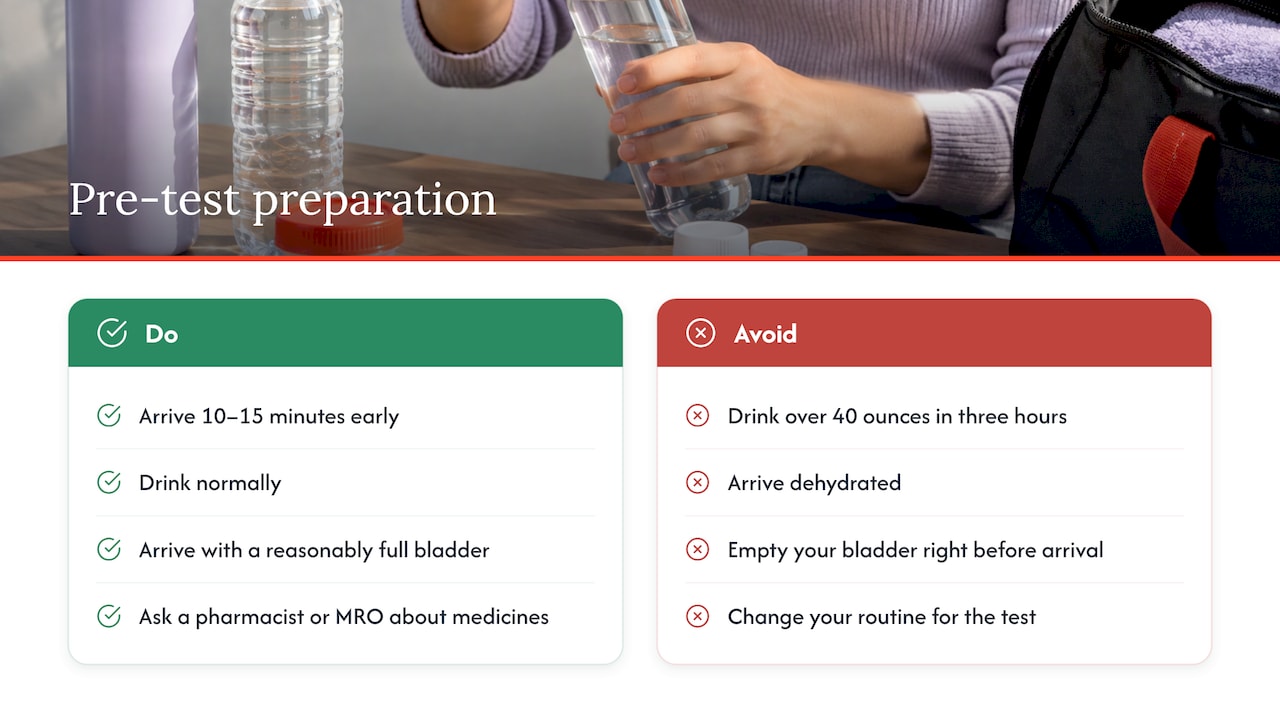
Fluids. Drink normally. On a urine test you need to be able to give enough sample, so don’t arrive dehydrated. At the same time, federal donors are told to try not to drink more than 40 ounces of fluid in the 3 hours before testing. One sensible rule: don’t change your routine because of the test.
Bladder. Some sites ask you not to empty your bladder right before you come in, since you need a sample. Aim to arrive with a reasonably full bladder rather than forcing it.
Food and supplements. Keep your regular diet. If you’re unsure whether something you take could affect a screen, ask a pharmacist or the Medical Review Officer, not the collector.
What happens once you check in
Knowing the order of events takes the stress out of it. The collector walks you through each step, and the federal custody and control form guides them. Here’s the typical sequence for a urine collection:
- Check-in and ID. You show your photo ID and confirmation.
- Prep. You remove outer layers, empty pockets and wash your hands.
- Collection. You get a sealed cup and urinate in private. On the federal checklist, you don’t flush the toilet and return the specimen to the collector as soon as you finish.
- Checks. The collector reads the temperature strip within 4 minutes, confirms the volume and seals the sample in front of you.
- Certification. You sign the certification statement on the form and receive your copy where applicable.
A standard federal or DOT urine collection needs at least 45 mL in one void. If you can’t produce that much, the collector must give you another opportunity. In practice the guidance notes that most people who say they can’t go will in fact provide enough.
If you can’t go right away
Stay put. Federal donors are told to remain at the site until the collection is complete, with a wait of up to 3 hours, and leaving before then is treated as a refusal to test. Bring a way to pass the time, such as a book, though you’ll hand your bag over for the collection itself. Take small sips of water if the collector allows it.
Does the type of test change what you bring?
The core items are the same: ID, authorization, and a plan to leave your belongings outside. What differs is the sample.
- Urine. The most common for employment. Federal rules require urine, and under them the drugs tested are marijuana, cocaine, PCP, opioids and amphetamines. That 5-panel is the baseline for DOT and federal jobs. See our guide to DOT drug test rules for cutoffs and consequences.
- Saliva. Usually quicker and done at the site or in a mobile unit. Expect to avoid eating, drinking or smoking for a short period before the swab, as the collector instructs you.
- Hair. Collected at the site by a trained technician, so you don’t prepare a sample yourself. Your hair needs to be long enough for collection. Ask the testing site what length they need.
A federal test can’t be done with hair, blood or saliva instead of urine, so don’t expect an alternative if you’d prefer one. Employers outside federal programs choose their own method.
If your test is observed, the logistics differ a bit. Our guide to an observed drug test explains what to expect and how to prepare.
Pre-employment tests: a few extra tips
Pre-employment screens often have a short window from the job offer to completion. Read the offer email carefully, find the nearest collection site, and confirm hours. Many sites take walk-ins but some require appointments. If you need to reschedule, contact the employer or recruiter instead of simply skipping. Our overview of pre-employment drug testing explains the stages, and our guide to four common U.S. workplace tests covers the policies behind them.
If a failed ID or missing paperwork forces a reschedule, that can cost you days. Not having your confirmation, hard copy or electronic, can cause delays or a full reschedule.
Our perspective
We hear from people every week who have a test coming up and no idea what the day will look like. The stress is rarely about the ID or the paperwork. It’s about not knowing what happens in the room.
Our view is simple: preparation is mostly about removing surprises. Get your documents together the night before. Learn the steps so nothing catches you off guard. Then, if you want to understand your own situation better, look into the testing method you’re facing and the products designed for it.
That’s why we pair detailed guides with a curated range of at-home test kits and preparation products, and why we answer the phone during business hours. Different tests call for different tools, and a hair test is not a urine test. We built the site so you can pick what suits your scenario and get it shipped fast within the United States.
Know your test, know the process, and walk in organized.
MIchael
Get ready for your specific test
Once your paperwork is sorted, the next question is what kind of sample you’ll give and how to prepare for it. We carry urine drug testing products, saliva drug testing options, hair drug testing items and hair detox shampoo, with fast shipping on United States orders. If you aren’t sure which fits, call our support line during published business hours and we’ll help you match the product to your test.
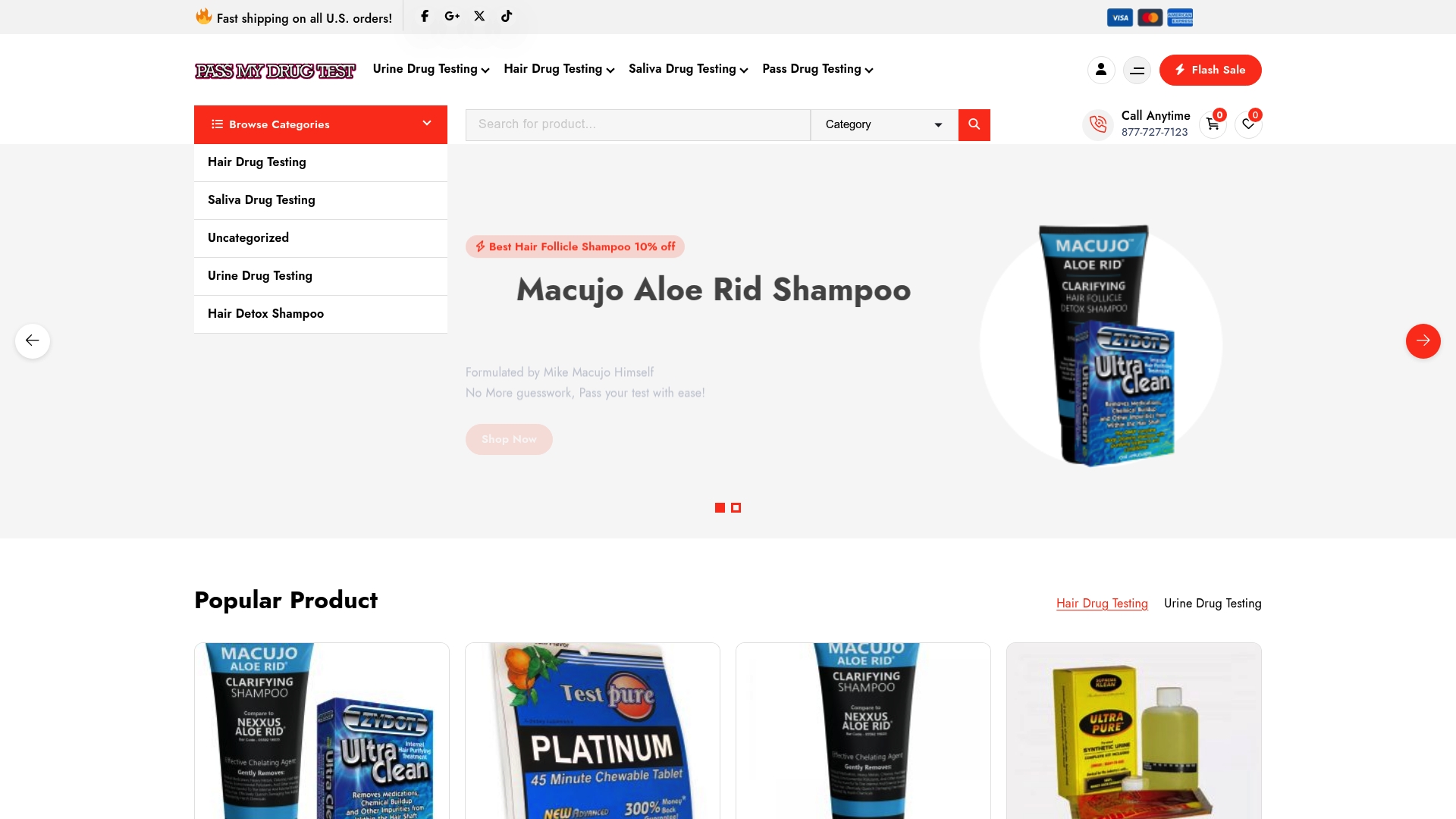
Browse everything in one place on Pass My Drug Test, or read our guide to urine drug test preparation for marijuana users first.
FAQ
Do I need to bring a list of my medications to a drug test?
Not for a federal test. The agency states you don’t need to bring prescription medicine or doctor notes, and a legitimate prescription is handled later by the Medical Review Officer. For private employer tests, follow the instructions you were given, and keep your prescription information handy either way.
Can I bring my phone and bag into the restroom?
No. Collectors ask you to leave bags, purses and outer garments in a designated spot and to empty your pockets. Your belongings stay nearby, but you give the sample without them.
What if my ID is expired or doesn’t match my name on the order?
The collector may not be able to proceed, because they must establish your identity first. Contact the employer or the person who scheduled the test before you go, so they can correct the order or tell you which ID is accepted.
What drugs does a standard urine test check for?
Federal and DOT tests screen for marijuana, cocaine, PCP, opioids and amphetamines. Private employers can choose broader panels, so check your instructions or ask the employer which one applies.
How early should I arrive?
Aim for 10 to 15 minutes before your appointment to cover check-in and forms. If you’re a walk-in, go early in the day so a wait doesn’t push you past the employer’s deadline.
Sources
- Drug & Alcohol Testing Frequently Asked Questions, U.S. Department of the Interior IBC
- Donor Notification Process, IBC Customer Central
- Drug Test Collection Process, IBC Customer Central
- Urine Specimen Collection Guidelines, Federal Transit Administration
- CCF Collection Site Checklist, Federal Transit Administration
- Instructions for Completing the Federal Drug Testing Custody and Control Form, SAMHSA
- 49 CFR Part 40 Section 40.193, U.S. Department of Transportation
- FAQs, Badger Testing Site
- What Happens at a Drug Screening, Quest Diagnostics
- How to Prepare for a Drug Test, National Background Check
- TSA Drug Test For Employment, Prepopedia