
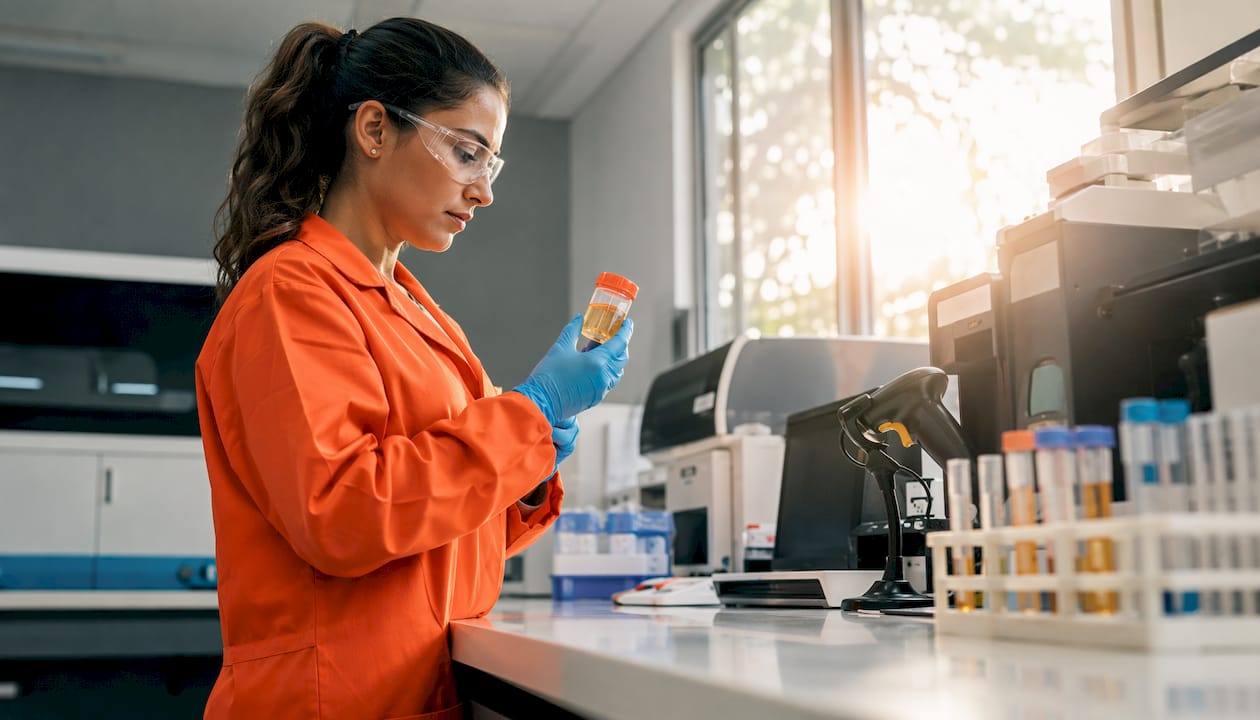
10-Panel Drug Test: What It Screens For and How It Works
A standard 10-panel drug test typically screens for marijuana (THC), cocaine, amphetamines, opiates, phencyclidine (PCP), benzodiazepines, barbiturates, methadone, propoxyphene, and either methaqualone or oxycodone depending on lab configuration. Most employers and labs build this panel by adding five prescription-focused classes to the federal DOT 5-panel core.
The ten classes at a glance:
- Marijuana (THC/cannabinoids)
- Cocaine (benzoylecgonine metabolite)
- Amphetamines (including methamphetamine)
- Opiates (morphine, codeine, heroin metabolite 6-MAM)
- Phencyclidine (PCP)
- Benzodiazepines (diazepam, alprazolam, and others)
- Barbiturates (phenobarbital, secobarbital)
- Methadone
- Propoxyphene
- Methaqualone or oxycodone (varies by lab)
Labs follow SAMHSA-referenced cutoff concentrations and CLIA-certified processes for specimen handling, which means results carry a defined, reproducible standard rather than a subjective read.
Table of Contents
- How a 10-panel drug test actually works: screening, cutoffs, and confirmation
- Typical detection windows by specimen type
- What your test result means and what to do next
- How 10-panel configurations vary and how they differ from the DOT 5-panel
- Limits of a 10-panel: false positives, dilution, and specimen validity
- Expert clarifications and common misconceptions
- Key Takeaways
- What I’ve learned helping people navigate drug testing
- Preparing for a 10-panel test: what Passmydrugtest offers
- Authoritative sources and further reading
How a 10-panel drug test actually works: screening, cutoffs, and confirmation
A 10-panel urine test starts with an immunoassay screen, either run on-site with a rapid cup or dip card, or processed at a certified lab. The immunoassay is qualitative: it compares the concentration of a drug metabolite against a preset cutoff and reports either negative (below the cutoff) or non-negative (at or above it). That binary result is presumptive, not final.
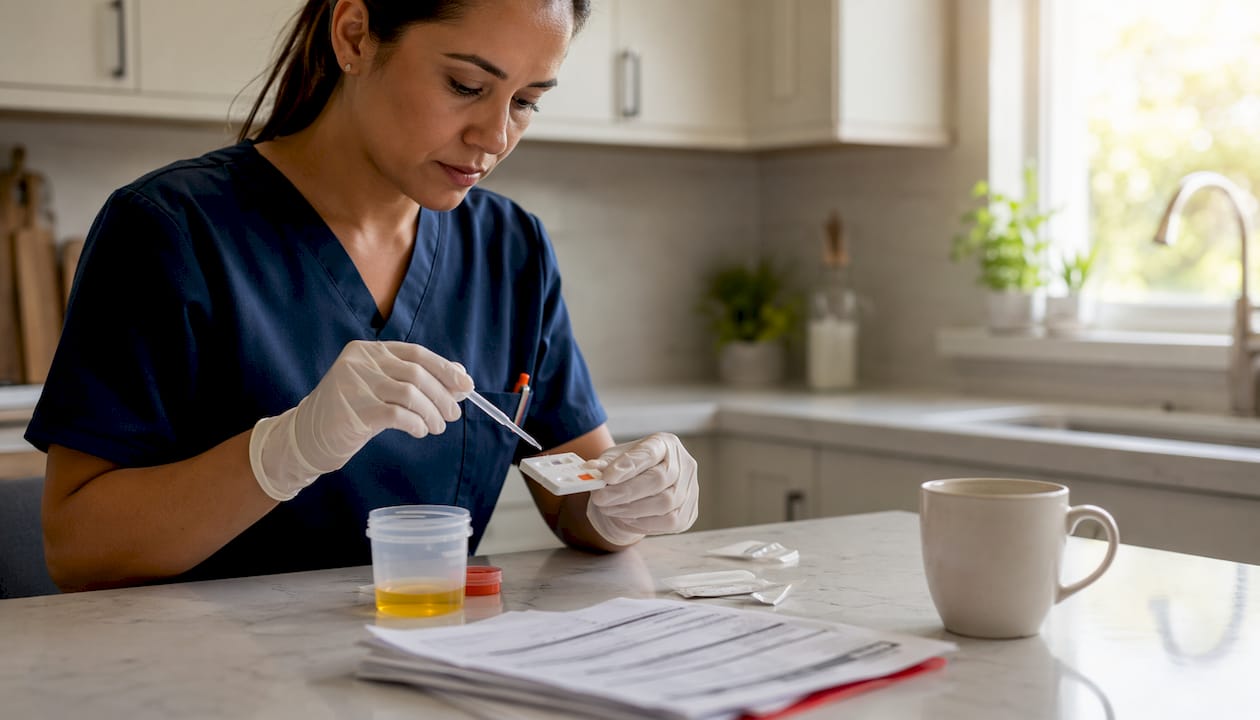
Cutoff concentrations matter more than most people realize. Samples with THC metabolite levels just below or above the standard laboratory cutoff read negative or non-negative accordingly. The number itself is the line, not a judgment about how much someone used.
Any non-negative screen should go to confirmatory testing using gas chromatography-mass spectrometry (GC-MS) or liquid chromatography-tandem mass spectrometry (LC-MS/MS). These methods separate and identify specific compounds rather than relying on antibody cross-reactivity, which is why they carry legal and forensic weight. Rapid on-site devices are convenient for a quick read, but manufacturers of those products typically include a lab confirmation option for any non-negative result precisely because immunoassays have known cross-reactivity risks.
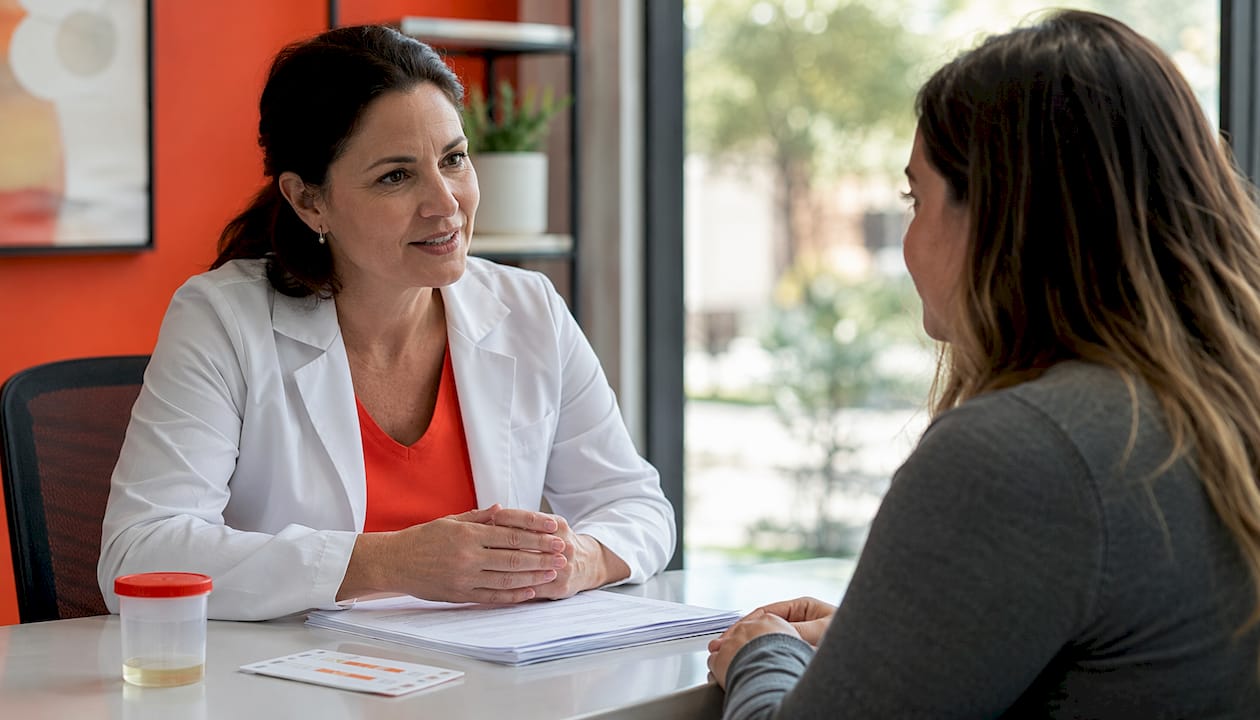
The Medical Review Officer (MRO) is the licensed physician who receives the lab’s confirmed result and contacts the donor before reporting to the employer. The MRO’s job is to determine whether a legitimate medical explanation, such as a valid prescription, accounts for the positive finding. Chain-of-custody documentation, which tracks the sample from collection through final reporting, is what makes the whole process defensible if a result is disputed.
Pro Tip: Before your collection appointment, write down every prescription and over-the-counter medication you take, including the prescribing doctor’s name and dosage. If the MRO calls, you’ll have the details ready and the review moves faster.
Typical detection windows by specimen type
Urine is the dominant specimen for a 10-panel screen because it’s non-invasive, cost-effective, and offers a detection window that suits most employment purposes. The ranges below are estimates that vary with dose, frequency, metabolism, and hydration.
| Drug Class | Urine | Hair | Saliva | Blood |
|---|---|---|---|---|
| THC (marijuana) | 3–30+ days (heavy use) | Up to 90 days | 1–3 days | Up to 2 days |
| Cocaine | 2–4 days | Up to 90 days | 1–2 days | Up to 2 days |
| Amphetamines | 2–4 days | Up to 90 days | 1–4 days | Up to 2 days |
| Opiates | 2–4 days | Up to 90 days | 1–4 days | Up to several hours |
| PCP | 7–14 days | Up to 90 days | 1–3 days | 1–2 days |
| Benzodiazepines | 3–7 days (short-acting); up to 30 days (long-acting) | Up to 90 days | 1–10 days | 6–48 hours |
| Barbiturates | 2–4 days (short-acting); up to 3 weeks (long-acting) | Up to 90 days | 1–2 days | 1–2 days |
| Methadone | 3–12 days | Up to 90 days | 1–10 days | 24–36 hours |
| Propoxyphene | 6–48 hours | Up to 90 days | Not well established | 6–12 hours |
| Methaqualone | Up to about 7 days | Up to 90 days | Not well established | 1–2 days |
Hair testing catches a longer historical window (up to 90 days) but cannot detect very recent use within the past 7–10 days because hair takes time to grow above the scalp. Saliva tests are better for recent exposure, often within hours of use. Blood testing is the most accurate measure of current presence but has the shortest window and is rarely used for routine employment screening.
Frequency of use is the biggest variable. Chronic THC users can show urinary metabolites for weeks; occasional users may clear the standard 50 ng/mL cutoff within a few days. Body fat percentage, kidney function, and hydration all shift the window further.
Note: All detection windows are estimates. Individual results can fall outside published ranges. Do not treat any range as a guarantee.
What your test result means and what to do next
A negative result means no tested substance was detected at or above the cutoff concentration. That’s the end of the process for most routine screens.
A non-negative (presumptive positive) result means the immunoassay flagged something at or above the cutoff. It does not mean the test is final. Here’s what happens next, and what you should do:
If your result is negative:
- No action required. The employer or requesting party receives a negative report.
- Keep a copy of your result for your records.
If your result is dilute or inconclusive:
- The lab flags the sample as dilute (low creatinine or specific gravity) or substituted.
- The employer typically requests an immediate recollection under direct observation.
- Drink water normally before a retest; excessive hydration before the original collection is what triggers dilute flags.
If your result is non-negative (presumptive positive):
- The lab runs confirmatory GC-MS or LC-MS/MS on the same sample.
- The MRO contacts you directly, usually by phone, to ask about prescriptions or medical explanations.
- Provide your prescription documentation immediately. The MRO can report a confirmed positive as negative if a valid prescription explains the finding.
- You have the right to request a split-sample analysis if a second portion of your original sample was collected and retained.
- Ask the MRO about the timeline. Initial lab screens typically report within 1–3 business days; MRO follow-up or additional confirmation can extend final reporting to up to 10 days.
Pro Tip: Never contact your employer directly about a non-negative result before the MRO has completed review. Let the MRO process run its course. Premature disclosure can complicate the outcome unnecessarily.
How 10-panel configurations vary and how they differ from the DOT 5-panel
There is no single mandated 10-panel. The “10-panel” label tells you how many drug classes are tested, not exactly which ones. Labs and employers configure analyte lists based on their specific risk profile, industry, and workforce needs.
| Substance | DOT 5-Panel | Common 10-Panel |
|---|---|---|
| Marijuana (THC) | ✓ | ✓ |
| Cocaine | ✓ | ✓ |
| Amphetamines | ✓ | ✓ |
| Opiates (morphine/codeine) | ✓ | ✓ |
| PCP | ✓ | ✓ |
| Benzodiazepines | — | ✓ |
| Barbiturates | — | ✓ |
| Methadone | — | ✓ |
| Propoxyphene | — | ✓ |
| Methaqualone or Oxycodone | — | ✓ (varies by lab) |
The DOT 5-panel is federally mandated for safety-sensitive transportation workers and cannot be modified by employers. The 10-panel is a non-DOT configuration that employers choose voluntarily, which is exactly why the fifth through tenth slots can shift. Some employers swap methaqualone for oxycodone, add fentanyl, or include buprenorphine when prescription-opioid abuse is a documented concern in their workforce.
Before you rely on a specific panel’s results, check the lab’s analyte list or the product code on the requisition form. Two tests both labeled “10-panel” can screen for meaningfully different substances. Safety-sensitive industries, healthcare, and transportation often run broader panels precisely because the consequences of missed detection are higher.
Limits of a 10-panel: false positives, dilution, and specimen validity
A 10-panel immunoassay screen is reliable for its intended purpose, but it has real limits. False positives and false negatives both occur, and understanding why helps you respond appropriately rather than panic or dismiss a result.
Common causes of false positives:
- Poppy seeds (can trigger opiate screens due to morphine content)
- Some cold and allergy medications containing pseudoephedrine (amphetamine cross-reactivity)
- CBD products with trace THC
- Certain antidepressants and antipsychotics (benzodiazepine or amphetamine cross-reactivity)
- Proton pump inhibitors like pantoprazole (THC cross-reactivity in some assays)
For a deeper look at what triggers unexpected results, Passmydrugtest’s guide on false positive causes covers the most common cross-reactors and what to do if you get one.
Drugs that standard immunoassays often miss:
- Tramadol (does not reliably trigger standard opiate screens)
- Buprenorphine (requires a targeted assay)
- Some synthetic opioids and fentanyl analogs (need specific expanded panels)
Specimen validity testing catches attempts to beat the test. Collection protocols typically require a minimum sample of 30 mL and run checks on temperature (measured immediately at collection), creatinine concentration, and specific gravity. A sample outside normal ranges for any of these is flagged as dilute, substituted, or adulterated, and the employer is notified.
If a sample is rejected, the standard outcome is an immediate observed recollection. Attempting to adulterate a sample at a certified collection site is extremely difficult and carries serious consequences if detected.
At collection: disclose every prescription and OTC medication you take. That disclosure is documented and protects you if a cross-reactor triggers a non-negative screen.
Expert clarifications and common misconceptions
The single most important thing to understand about any drug screen: it detects metabolites, not current intoxication. A positive result means a substance was metabolized in the body within the detection window. It says nothing about whether the person was impaired at work, at the time of the test, or at any specific moment.
Myth vs. fact:
Myth 1: “A positive result means I was impaired.”
Fact: Immunoassays detect metabolites, the byproducts of drug processing, not active drug molecules or impairment. THC metabolites can appear in urine days after any psychoactive effect has worn off.
Myth 2: “All 10-panels test the same drugs.”
Fact: The “10-panel” label specifies only the count. Labs configure the specific analytes. Always verify the exact list with the lab or collection site before assuming what is and isn’t covered.
Myth 3: “Home remedies reliably clear a test.”
Fact: There is no peer-reviewed evidence that common home remedies, such as drinking large amounts of water, vinegar, or cranberry juice, reliably produce a negative result. Excessive hydration can produce a dilute sample, which typically triggers a retest under observation. For a frank assessment of what actually works versus what doesn’t, Passmydrugtest’s home remedies review is worth reading before you try anything.
The practical takeaway: document your prescriptions before every test, request confirmatory testing if you receive an unexpected non-negative, and let the MRO process run before drawing conclusions.
Key Takeaways
A 10-panel drug test screens ten drug classes by immunoassay, and any non-negative result requires GC-MS or LC-MS/MS confirmation plus MRO review before it becomes a final employment action.
| Point | Details |
|---|---|
| Ten drug classes screened | Standard panels cover THC, cocaine, amphetamines, opiates, PCP, benzodiazepines, barbiturates, methadone, propoxyphene, and either methaqualone or oxycodone, depending on the lab. |
| Confirmatory testing is required | A non-negative immunoassay screen is presumptive only; GC-MS or LC-MS/MS confirmation gives the result legal and forensic weight. |
| Detection windows vary widely | THC can persist in urine for 30+ days in heavy users; most other drugs clear within 1–4 days, but individual metabolism shifts every window. |
| MRO review protects donors | A Medical Review Officer contacts the donor before finalizing a positive, allowing prescription documentation to prevent a false employment action. |
| Passmydrugtest offers preparation resources | Passmydrugtest provides detox products, at-home test kits, and detailed guides for people preparing for a urine-based panel. |
What I’ve learned helping people navigate drug testing
Most people who land on a page like this are not looking for a chemistry lecture. They want to know what’s on the test, how long things show up, and what to do if something goes wrong. That’s the gap most drug-testing content fails to fill.
What strikes me most, after seeing how many people misread their results, is how much damage the “positive equals impaired” myth does. Someone gets a non-negative on a benzodiazepine screen because they took a prescribed Xanax three days ago, and they assume the worst. The MRO process exists to catch exactly that situation, but only if the donor knows to stay calm, provide documentation, and let the review happen.
The other thing worth saying plainly: the “10-panel” label is not a guarantee of what’s covered. If you’re preparing for a specific test, get the analyte list. Don’t assume. Two panels with the same name can screen for different substances depending on who ordered the test and which lab processed it.
For anyone who receives an unexpected result, the right move is confirmatory testing and MRO contact, not a panicked internet search. And for anyone preparing in advance, knowing your detection window and your options is genuinely useful, as long as you go in with realistic expectations rather than promises.
No product or preparation method carries a guaranteed outcome. For any disputed result, confirmatory lab testing and MRO review are the appropriate channels.
Preparing for a 10-panel test: what Passmydrugtest offers
If you’re facing a urine panel and want to know your options before the collection date, Passmydrugtest is built for exactly that situation.
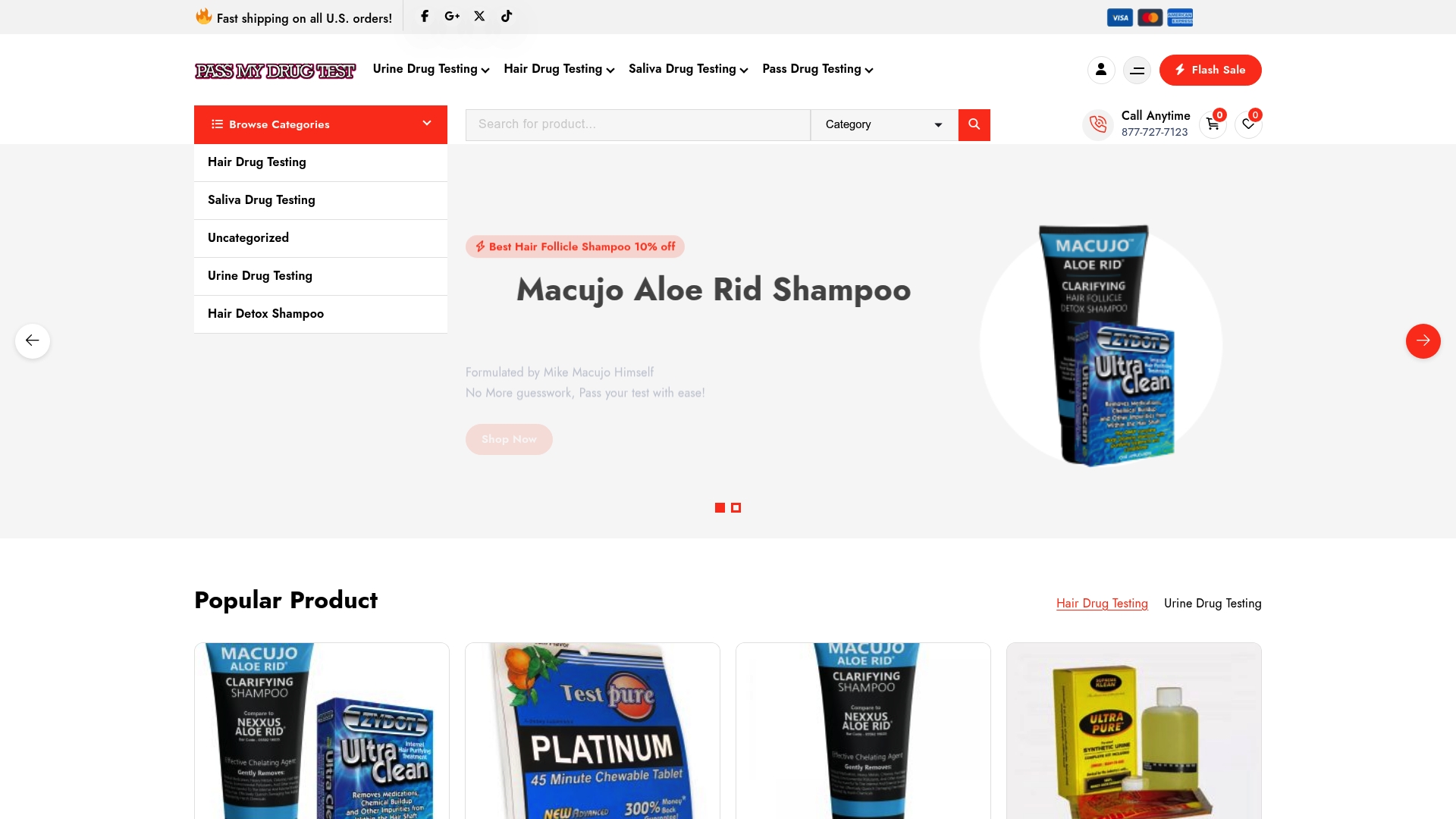
The site carries detox products and cleanses designed for people preparing for urine-based screens, along with at-home marijuana test kits so you can check your own levels before the official collection. For readers who want to understand synthetic urine options where legally permitted, the synthetic urine guide walks through what’s available and what to consider. Every product page includes practical guidance on how and when to use each option, without overpromising on outcomes.
No product guarantees a negative result. Results depend on individual metabolism, the specific substances involved, and the lab’s cutoff concentrations. Passmydrugtest recommends using an at-home kit to verify your own baseline before any official test, and always pursuing confirmatory testing and MRO contact if an official result comes back unexpected. Fast shipping is available across the United States, and phone support is available during published business hours if you have questions about which product fits your situation.
Authoritative sources and further reading
- SAMHSA Workplace Drug Testing Resources — Federal guidelines, MRO standards, and SAMHSA-certified lab requirements; best for legal and process details.
- SAMHSA Urine Specimen Collection Handbook — Step-by-step federal collection procedures, chain-of-custody forms, and specimen validity protocols.
- MedlinePlus: Drug Testing Overview — Plain-language NIH summary of drug test types, specimen collection, and what results mean.
- FDA: Drugs of Abuse Home Use Test — FDA guidance on at-home test accuracy, limitations, and how to interpret results.
- NIH/NCBI: Urine Drug Monitoring (PMC) — Peer-reviewed clinical overview of immunoassay cutoffs, specimen validity, and confirmatory methods; best for technical depth.
- NIDA: Drug Testing Research — National Institute on Drug Abuse overview of testing science and detection research.
- DEA: Benzodiazepines Fact Sheet — DEA scheduling and pharmacology reference for one of the most commonly added 10-panel classes.
- Testing.com: 10-Panel Drug Test — Practical patient-facing guide covering screening vs. confirmatory testing and what results mean; good for detection-window context.