
Saliva Drug Test Detection Time: What to Expect
Most drugs show up in saliva within minutes of use and remain detectable for 5 to 48 hours, according to LabCorp. That window is shorter than urine’s and far shorter than hair’s, which is exactly the point: saliva tests are built to catch recent use, not last month’s. The Cleveland Clinic and GoodHire both confirm that detection can begin in under an hour after exposure. Windows vary significantly by drug, dose, route of administration, and how sensitive the test is, so the table in the next section is where the real specifics live.
Quick reference for common substances:
- THC (cannabis): roughly 4–72 hours; single-use is usually on the shorter end
- Cocaine: up to ~48 hours
- Amphetamines/methamphetamine: typically 24–48 hours
- Heroin/opioids: as short as ~1 hour for heroin; other opioids vary
- Ecstasy (MDMA): up to ~48 hours
- Alcohol: generally 6–12 hours
Table of Contents
- How does a saliva drug test actually work?
- How long do drugs stay detectable in saliva?
- What changes how long a drug stays detectable?
- How accurate are saliva drug tests?
- Why do employers and law enforcement choose saliva tests?
- What happens on the day of a saliva test?
- Expert planning guidance: timing a saliva test realistically
- Key Takeaways
- Why this guide exists, and how to use it responsibly
- Get prepared with the right tools from Passmydrugtest
- Useful sources and further reading
How does a saliva drug test actually work?
Saliva testing detects parent drugs and their recent metabolites, which transfer rapidly from the bloodstream into oral fluid through highly perfused salivary glands. That biology is what makes the test so effective at flagging impairment: the drug shows up fast, but it also clears fast.
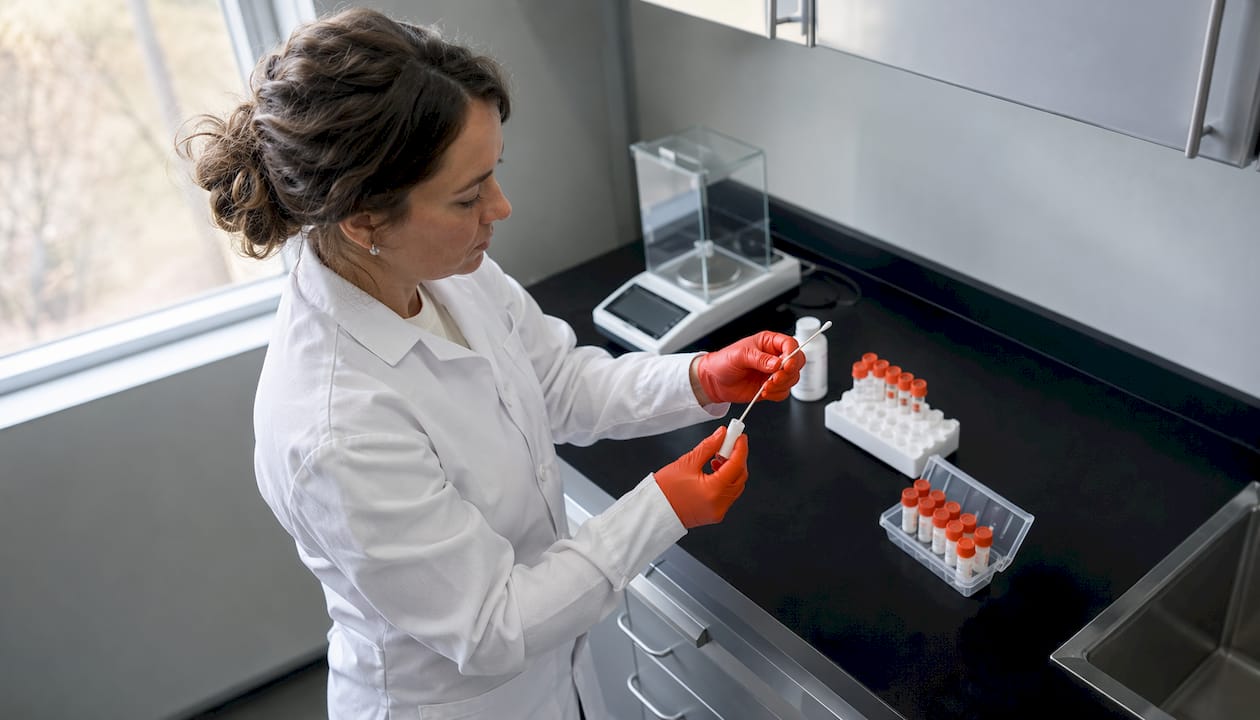
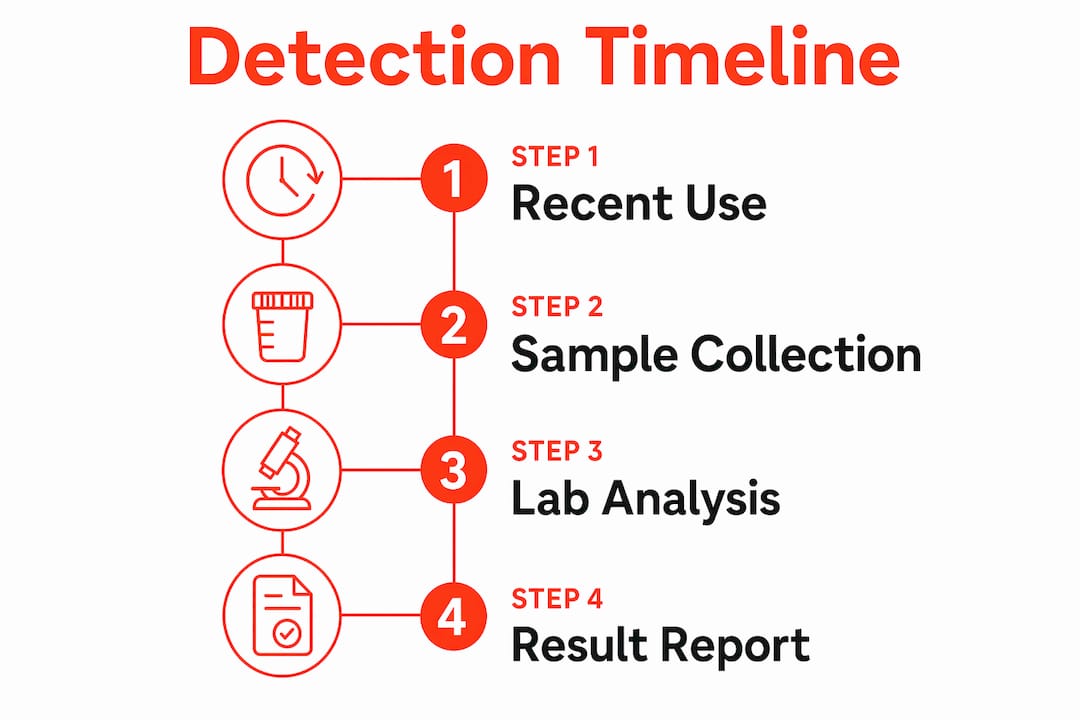
The basic workflow runs in two stages. First, a collector places an absorbent swab between your cheek and lower gum, or under your tongue, for one to five minutes. That sample goes directly into a point-of-collection (POC) immunoassay device, which screens for drug classes using antibody reactions. Results come back in minutes. If the screen is positive or inconclusive, the sample, or a second portion, is sent to a laboratory for confirmation.
Lab confirmation is the standard for any result that matters legally or professionally. POC immunoassay screens are fast and practical, but they are not specific enough to stand alone in employment or legal proceedings.
In the lab, analysts use LC-MS/MS or GC-MS to confirm the presence of specific compounds. These methods are necessary because analyte concentrations in saliva are lower than in urine, so sensitivity matters more. Quest Diagnostics notes that devices like Quantisal help verify sample adequacy and reduce tampering during collection, which typically takes about five minutes.
Pro Tip: Avoid eating, drinking, or smoking for at least 10 minutes before collection. Residual food, beverages, or smoke can dilute the sample or interfere with the immunoassay, potentially affecting your result.
How long do drugs stay detectable in saliva?
Detection windows in oral fluid are shorter than in urine across nearly every drug class. The table below reflects typical ranges reported by LabCorp, GoodHire, and Checkr. “Typical window” means the range most commonly observed under standard testing conditions; individual results can fall outside these ranges.
| Drug / Substance | Typical Detection Window | Single Use vs. Chronic | POC vs. Lab Sensitivity |
|---|---|---|---|
| THC (cannabis) | 4–72 hours | Single use: often 4–12 hrs; chronic: up to 72 hrs in lab | Lab detects longer windows |
| Cocaine | Up to ~48 hours | Similar for single and repeat use | Both POC and lab |
| Amphetamines | 24–48 hours | Chronic use may extend slightly | Both |
| Methamphetamine | 24–48 hours | Similar pattern to amphetamines | Both |
| Heroin | ~1 hour | Very short; metabolizes rapidly | Lab preferred |
| Other opioids | 1–24 hours | Varies by compound | Lab for confirmation |
| MDMA (ecstasy) | Up to ~48 hours | Moderate variability | Both |
| Benzodiazepines | 1–48 hours | Chronic use extends window | Lab preferred |
| Methadone | Up to 48+ hours | Longer window in lab tests | Lab required |
| Alcohol | 6–12 hours | Clears quickly | POC sufficient |
A few things worth noting about this table:
- THC is the most variable. Lab saliva tests sometimes detect THC up to 72 hours after use, but single-use detection is usually much shorter. Edibles can behave differently from smoked cannabis because the absorption route changes how quickly THC enters oral fluid.
- Heroin clears remarkably fast in saliva, sometimes within an hour, making timing critical for detection.
- A positive result reflects recent use, not necessarily current impairment. The two are related but not identical, and courts and employers treat them differently.
- Chronic, heavy users generally show longer detection windows than occasional users for most substances.
What changes how long a drug stays detectable?
Several factors control the saliva drug test detection time, and none of them operate in isolation. LabCorp identifies dose, route of administration, duration of use, matrix pH and concentration, metabolic clearance, and lab method sensitivity as the primary variables.
Here is what each one actually means in practice:
- Dose and frequency: Higher doses leave more drug in oral fluid. Chronic users often have residual drug present even between uses, which extends the detectable window.
- Route of administration: Smoking or vaping cannabis delivers THC directly into the mouth and throat, creating oral contamination that can produce a positive result almost immediately and sometimes for longer than the systemic window alone would predict. Edibles absorb through the gut, so THC enters saliva only via the bloodstream, which typically produces a shorter oral fluid window.
- Individual metabolism: Genetic differences in liver enzymes (particularly CYP450 variants) affect how quickly drugs are broken down. A fast metabolizer may clear a substance in hours; a slow metabolizer may take considerably longer.
- Oral fluid pH and hydration: Acidic saliva tends to trap more basic drugs (like amphetamines), while alkaline conditions can reduce concentrations. Heavy water intake shortly before a test can dilute the sample, though most collection devices flag inadequate volume.
- Test cutoff and method: POC devices use fixed immunoassay cutoffs. Lab methods like LC-MS/MS can detect concentrations well below those thresholds, which is why a POC negative does not always mean a lab test would agree.
Pro Tip: Detection windows in published guides are population averages. Your actual window depends on your body, your habits, and the specific test being used. Treat published ranges as estimates, not guarantees.
A plain ethical note: this guide is for understanding how tests work, not for evading them. Attempting to tamper with or substitute a lawfully administered drug test can carry serious legal consequences.

How accurate are saliva drug tests?
POC saliva screens are quick and practical, but less specific than lab confirmation. GoodHire notes that on-site instant tests can show false positives, and any positive result typically requires lab confirmation before it carries legal or employment weight.
A presumptive positive on a POC screen is not a final result. It is the beginning of a confirmation process, not the end of one.
Common causes of false positives:
- Cross-reactivity with over-the-counter medications (ibuprofen, certain antihistamines, and decongestants are known culprits)
- Oral contamination from passive smoke or residual substances in the mouth
- Testing too soon after use of a legal substance that shares a chemical structure with a controlled drug
Common causes of false negatives:
- Testing after the detection window has passed
- Very low dose or single-use exposure near the cutoff threshold
- Sample dilution from recent eating, drinking, or excessive saliva production
When a POC screen comes back positive, the standard workflow sends the sample to a lab for GC-MS or LC-MS/MS confirmation. Lab confirmation adds 24–72 hours to the timeline but produces a result specific enough to hold up in court or an HR proceeding. For false positive concerns, understanding what triggers them is the first step toward contesting an inaccurate result.
The practical takeaway: never treat a single POC screen as definitive. If a result matters, confirmation testing is not optional.
Why do employers and law enforcement choose saliva tests?
Saliva tests are best for detecting recent use and minimizing tampering. Urine covers a longer historical window; hair can flag use going back 90 days or more. Each matrix serves a different purpose, and knowing which one you are facing changes what the result actually tells anyone.
| Matrix | Typical Detection Window | Time to Result | Best Use Case |
|---|---|---|---|
| Saliva | 5 to 48 hours for most drugs (THC may be detected up to 72 hours in lab tests for chronic users) | POC: minutes; lab: results in one to two days | Recent use / impairment checks |
| Urine | 1–2 days (drug-dependent) | POC: minutes; lab: 1–2 days | Short-term history, workplace screening |
| Blood | Hours to ~24 hours | Lab only: hours | Impairment, clinical/forensic |
| Hair | Up to 90 days | Lab only: 2 days | Long-term use history |
Saliva testing’s practical advantages:
- Observed collection makes substitution or adulteration nearly impossible, unlike urine.
- On-site results in minutes suit post-incident testing, roadside checks, and random workplace programs.
- Less invasive than blood draws; no restroom privacy required.
The limitations are real too. Saliva concentrations are lower than urine, so the test demands more sensitive equipment for reliable confirmation. The short detection window means a test administered 72 hours after use may miss substances that a urine test would still catch. For comparing testing methods across matrices, the choice depends entirely on what the tester is trying to learn.
Saliva testing tends to be chosen for post-accident investigations, random roadside impairment checks, and pre-shift safety screenings where recent use is the specific concern.
What happens on the day of a saliva test?
Most saliva collections are observed and take under five minutes. POC devices return results in minutes; lab confirmation, when needed, typically takes 24–48 hours, though complex confirmatory workflows can run longer.
Here is the standard sequence:
- Before collection: No eating, drinking, smoking, or chewing gum for at least 10 minutes prior. This reduces oral contamination and dilution.
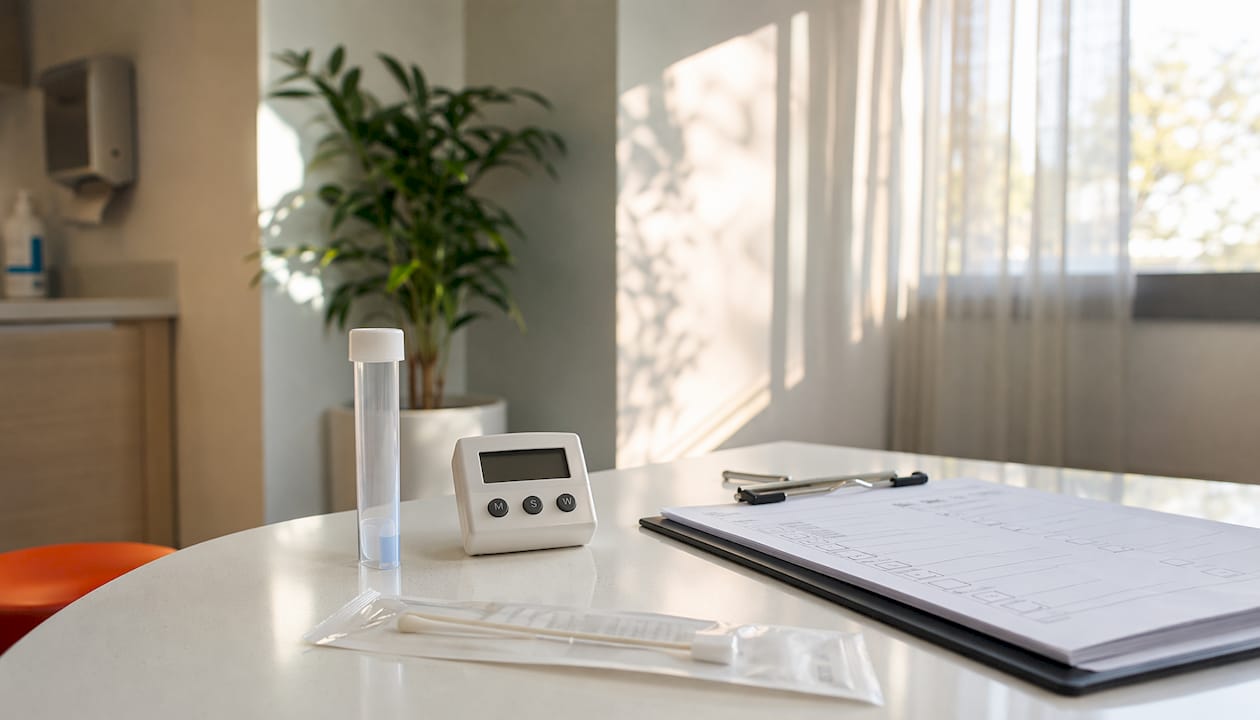
- Collection: A collector places an absorbent swab in your mouth, usually between the cheek and lower gum. You hold it in place for one to five minutes until the device signals adequate volume.
- On-site screening: The swab or its collection tube goes directly into a POC immunoassay device. Results display within 5–10 minutes.
- If the screen is negative: The process ends there in most workplace programs.
- If the screen is positive or inconclusive: The sample is sealed, labeled, and sent to a certified laboratory for confirmation.
Lab confirmation adds 24–72 hours to the process. Some programs require a Medical Review Officer (MRO) to review confirmed positives before reporting them to the employer, which can add another business day.
Pro Tip: If you are taking any prescription medications, have documentation ready. A confirmed positive for an opioid or benzodiazepine may require MRO review, and your prescription is relevant context.
Expert planning guidance: timing a saliva test realistically
When the goal is to detect recent use or impairment, the test should happen within hours of suspected exposure. Saliva’s short detection window is its defining characteristic: drugs appear quickly and clear quickly, which means timing is everything.
The timing of collection relative to use is the single most critical factor for test outcome. A negative saliva result does not rule out past use; it only means the drug was not detectable at the moment of collection.
Key planning rules drawn from lab and medical sources:
- For most drugs, test within 12–24 hours of suspected use to maximize detection probability.
- THC in chronic cannabis users may remain detectable for up to 72 hours in a lab test, but single-use detection is typically much shorter.
- POC positives in high-stakes situations (employment, legal proceedings) should always be confirmed by a certified lab using LC-MS/MS or GC-MS.
- Chain-of-custody documentation matters for any result used in a legal or employment context. Breaks in chain-of-custody can invalidate a result regardless of what it shows.
Pro Tip: If you receive a positive POC result and believe it is inaccurate, request lab confirmation immediately. You generally have the right to a confirmatory test, and the POC result alone is not final.
For high-stakes situations, consult an occupational health professional or employment attorney before acting on any result. Detection windows published in guides are population-level estimates; individual outcomes vary.
This article is general educational information, not medical or legal advice. Confirm current testing standards and your specific situation with a qualified professional or primary source.
Key Takeaways
Saliva tests are optimized for recent use, with most drugs detectable for 5–48 hours, making timing the single most critical variable for both testers and those being tested.
| Point | Details |
|---|---|
| Detection window is short | Most drugs show up in saliva for 5 to 48 hours; THC can sometimes be detected up to 72 hours in lab tests for chronic users. |
| POC vs. lab timing | POC screens return results in minutes; lab confirmation takes 24–48 hours and is required for legal or employment decisions. |
| Key factors shift windows | Dose, frequency, route of administration, metabolism, and test cutoff all change how long a drug stays detectable. |
| Confirmatory testing matters | A POC positive is presumptive only; GC-MS or LC-MS/MS lab confirmation is the standard for any result with real consequences. |
| Passmydrugtest resources | Passmydrugtest offers at-home saliva test kits, detox products, and educational guides to help you prepare responsibly. |
Why this guide exists, and how to use it responsibly
Passmydrugtest built this resource because the information people find online about saliva testing is often vague, contradictory, or quietly designed to sell something without explaining the science. The goal here is straightforward: give you accurate, sourced information about how oral drug tests work, what they detect, and what actually affects the result.
The site sells at-home test kits, detox products, and preparation guides for people navigating workplace, legal, and pre-employment screenings. That mission is about informed preparation, not evasion. Attempting to defeat a lawfully administered drug test is a separate matter entirely, and nothing in this guide is intended to help with that.
Get prepared with the right tools from Passmydrugtest
Knowing your detection window is only half the picture. If you want to check where you stand before a required test, Passmydrugtest carries at-home saliva and marijuana test kits that give you a real-world read on your status using the same immunoassay technology employers use on-site.
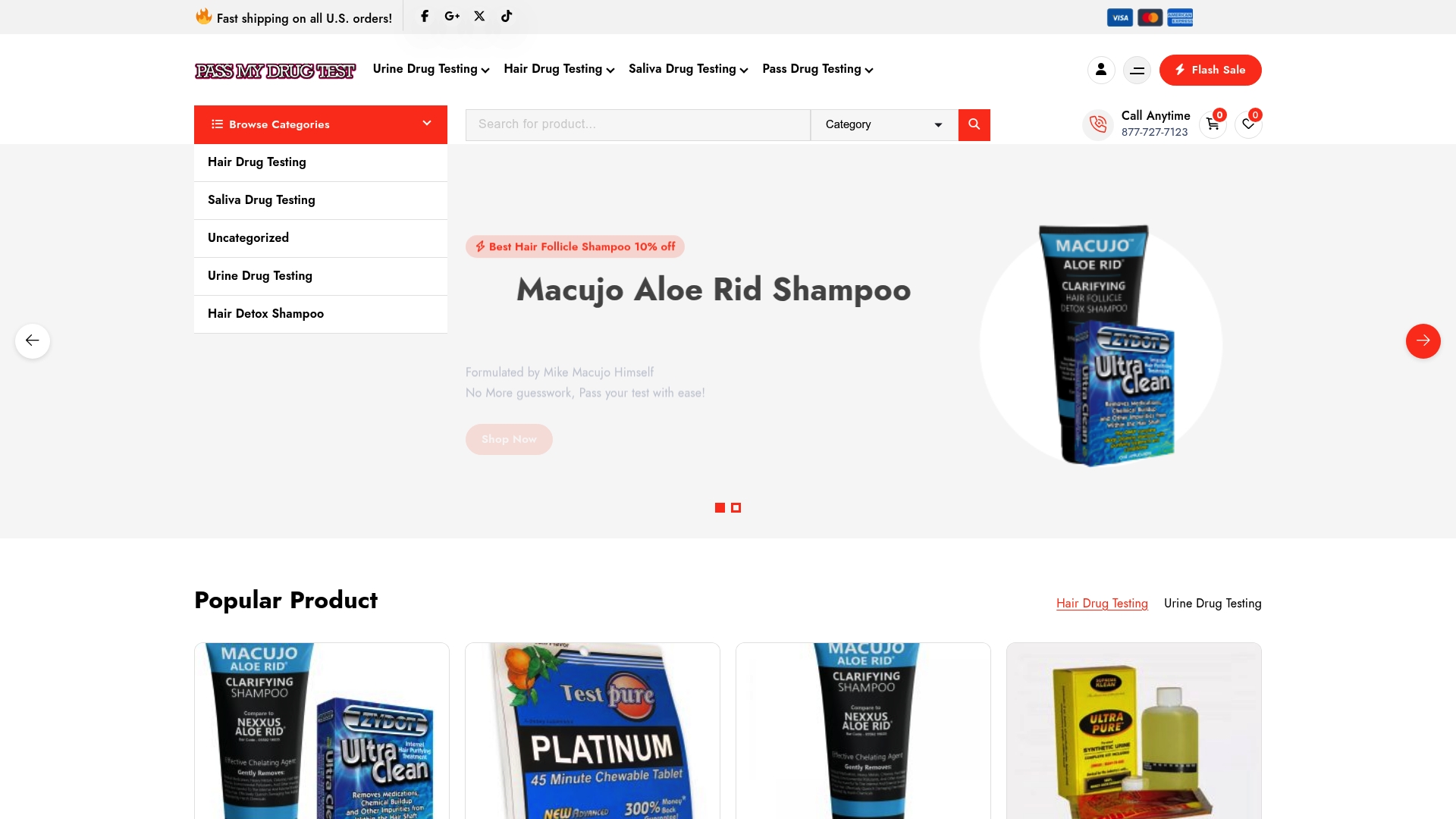
For readers who want to support their body’s natural clearance process ahead of a test, the site’s detox product category covers drinks, cleanses, and supplements designed for legitimate preparation. Fast shipping is available across the United States, and phone support is available during business hours if you have questions about which product fits your situation.
Everything sold and described here is for lawful, informed preparation. Use these products to understand your status and make smarter decisions, not to circumvent a test you are legally required to take.
Useful sources and further reading
The claims in this article draw from the following primary and clinical sources. Each one is worth reading directly if you need more technical depth.
| Source | What It Covers |
|---|---|
| LabCorp: Oral Fluid Drug Testing FAQ | Detection windows, influencing variables, and lab method overview |
| Cleveland Clinic: Oral Drug Test | Collection procedure, timing, and POC vs. lab differences |
| Quest Diagnostics: Oral Fluid Collection | LC-MS/MS confirmation, collection devices, and tampering prevention |
| GoodHire: Mouth Swab Drug Test Guide | Drug-specific detection windows and POC accuracy discussion |
| PMC/NIH: Drug Testing in Oral Fluid | Peer-reviewed science on oral fluid pharmacokinetics and recent-use detection |
| Checkr: Mouth Swab Drug Test | THC-specific variability and employer use-case context |
Detection windows published in any guide, including this one, are population-level estimates. Individual results depend on dose, metabolism, route of administration, and the specific test used. For any result with legal or employment consequences, GC-MS or LC-MS/MS lab confirmation is the technical standard. Consult an occupational health professional or employment attorney for guidance specific to your situation.