
What Happens If You Fail a Drug Test at Work
A failed workplace drug test does not always mean the end of your job, but what happens next depends on three things: whether the result was confirmed, what your employer’s written policy says, and which rules apply to your job and state. Most people see one of these outcomes: a withdrawn job offer, suspension, mandatory counseling or treatment, or termination. This guide walks through each step so you know what to expect and what you can still do.
TL;DR
- A first “positive” is usually a screen. A more specific lab test confirms it, and for many tests a Medical Review Officer (MRO) then reviews it with you before the employer is told a final result.
- After a confirmed positive, outcomes range from counseling or suspension to termination. In most states an employer can withdraw a conditional job offer after a failed pre-employment test.
- DOT-regulated workers must be removed from safety-sensitive duties until they complete a return-to-duty process.
- If a prescription or medication could explain the result, tell the MRO right away. Deadlines can be as short as a few working days in some states.
- If you know a test is coming, plan ahead. Knowing the test type and its detection window is the first step.
Table of Contents
- What “failing” a drug test actually means
- What happens after a failed test at your current job
- If you are in a DOT-regulated job
- After a failed pre-employment test
- Your state can change the answer
- If you think the result is wrong
- Our perspective
- Getting ready for the next test
- FAQ
- Sources
What “failing” a drug test actually means
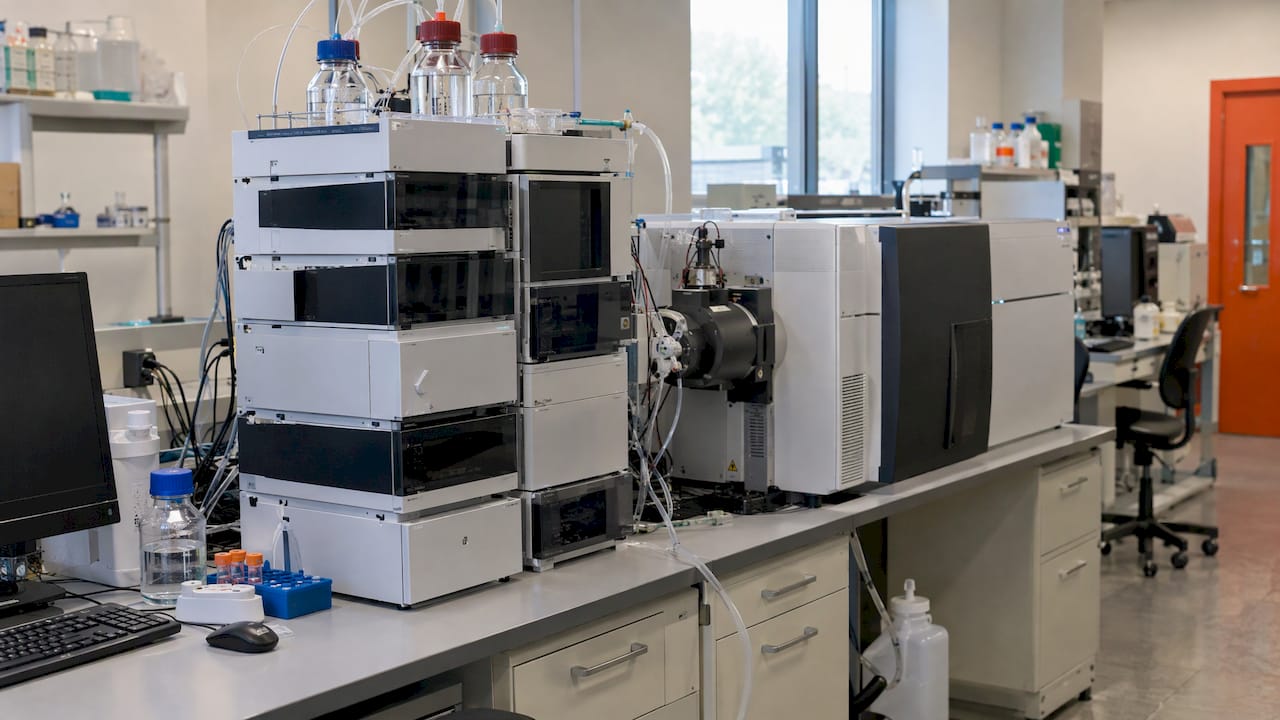
Most workplace tests start with a quick screen, called an immunoassay. NIDA explains that this first screen is followed by a more specific and sensitive confirmation test, usually gas chromatography/mass spectrometry or liquid chromatography/mass spectrometry. It also describes initial screens as presumptive: the confirmation verifies or refutes them.
That matters because a screen can be wrong. MedlinePlus notes that initial urine screens can produce false positives from some prescription medicines, over-the-counter medicines and even certain foods, and that a confirmatory test is used to check the result.
There is also a third step in many programs. Under SAMHSA’s federal-program guidance, a lab-confirmed positive does not automatically establish misuse. An MRO reviews the documentation and interviews you to decide whether there is an acceptable medical explanation. Private employers are not all bound by those federal rules, but many testing programs follow a similar model.
So the sequence usually looks like this:
- You give a specimen, most often urine.
- The lab runs a screen.
- A non-negative screen goes to a confirmation test.
- An MRO or the employer’s designated reviewer contacts you about any medications.
- The employer receives a final result of negative, positive or another status.
If you want to understand where false positives come from, our page on the false positive urine test covers the common causes, and our guide to Sudafed and drug tests covers one frequent example.
What happens after a failed test at your current job
There is no single national rule for private employers. What happens depends mainly on the written drug policy you were given, which is why you should read it before anything else. A good policy explains when testing happens and what the consequences are.
The usual outcomes, from mildest to most serious:
- Counseling or an assessment. Some employers refer you to an Employee Assistance Program (EAP) or a treatment program.
- Suspension or reassignment. You may be taken off certain duties until you test negative or complete a program.
- A retest. Some policies allow a second test after a set period.
- Termination. Many employers reserve the right to end employment after a confirmed positive.
A policy is not a promise of leniency. Check whether yours treats a first positive differently from a repeat, and whether refusing a test counts the same as failing one.
Time off for treatment
If a substance use disorder is involved, federal leave rules may help. Eligible employees of public-sector and certain private-sector organizations may take up to 12 weeks of unpaid FMLA leave to seek treatment, provided they meet the law’s eligibility requirements. Ask HR whether you qualify before you assume you do.
If the employer used an outside screening company
When a consumer-reporting agency supplies the drug-test information and an employer takes adverse action, the FCRA process can apply. According to GoodHire, that process includes notice of the action and, in applicable circumstances, a chance to respond. If you receive a pre-adverse-action notice, read it carefully and respond within the time given.
The same applies if your result came through a third-party testing administrator. The administrator reports to the employer, and the employer decides the consequence under its policy.
If you are in a DOT-regulated job
Truck drivers, pilots, transit workers and others in safety-sensitive roles follow stricter federal rules. The FMCSA says a positive drug test, or an alcohol result of 0.04 or greater, requires immediate removal from safety-sensitive duties until you complete the return-to-duty process with a DOT-qualified substance-abuse professional.
Refusing counts too. Under 49 CFR 40.191, a refusal can include:
- Failing to appear for a non-pre-employment test within a reasonable time
- Leaving before the testing process is complete
- Failing to provide a specimen
- Refusing an observed collection
- Failing to provide a sufficient specimen without an adequate medical explanation
We cover cutoffs and consequences in more depth in our DOT drug test rules guide.
After a failed pre-employment test
This is the situation behind many searches for “failed pre employment drug test,” and the answer is blunt. In most states, an employer may rescind a conditional job offer after a failed pre-employment drug test. Exceptions exist, including prescription-related disability protections and some state cannabis protections.
A few points that come up often:
- Delaying the test does not help. In Pilkington Barnes Hind v. Superior Court, a California appeals court held that an applicant who put off a required pre-employment test until after starting work remained subject to the condition, and a failed delayed test could support termination.
- The ADA protects disability, not current illegal drug use. As summarized by FindLaw, the ADA protects applicants against disability discrimination and may require consideration of a valid prescription explanation, but it does not protect current illegal drug use.
- Records are generally kept private. A failed pre-employment test may be documented in the employer’s records, but it is typically treated as confidential. Ask the employer, and any screening company involved, who can see it.
- You may be able to reapply. Many employers set a waiting period before they will consider you again. Ask HR what theirs is.
Our pre-employment drug testing page explains how these screens typically work, so you know what to expect before the next one.
Your state can change the answer
State law varies a lot. A 50-state survey from Justia describes mandatory statutes, voluntary programs tied to benefits such as workers’ compensation premium discounts, laws limited to certain industries or public employees, and states that give private employers broad discretion.
Three examples show how different the rules can be:
| State | What the law says | Source |
|---|---|---|
| Georgia | A written policy under the workers’ compensation drug-free-workplace statute must say that an employee or applicant may contest or explain a confirmed positive within five working days after written notice. | Georgia statute |
| Minnesota | Applicant testing requires a conditional offer first, and the offer cannot be withdrawn based only on an unconfirmed initial positive. | LawHelpMN |
| Connecticut | Employment provisions effective July 1, 2022 generally restrict adverse action based solely on lawful off-duty cannabis use, with exceptions for federal obligations, reasonable suspicion of workplace use or impairment, and certain written testing policies. | JD Supra |
Minnesota goes further. Per a summary of its testing law, you have three working days after notice of a confirmed positive to submit explanatory information, including prescription or over-the-counter medication details, and you may request a confirmatory retest at your own expense. Generally, a first confirmed positive cannot lead to discharge unless you are offered counseling or rehabilitation and refuse or fail to complete it. The employer may still temporarily suspend or transfer you for health or safety reasons while confirmation or retesting is pending.
If you live in a state with legal cannabis, do not assume that protects you at work. Protections tend to be narrow and come with exceptions, and federal rules still apply to many jobs. A local employment attorney or your state labor department can tell you what applies to you.
If you think the result is wrong
A positive caused by a prescription, an over-the-counter product or a lab error is something you can raise, but you have to act fast.
- Ask who the MRO or reviewer is and call back promptly. Review is where medical explanations are considered.
- Gather documentation. Collect prescriptions, pharmacy printouts and a note from your prescriber. Include over-the-counter products you took.
- Know the deadlines. Georgia’s policy standard is five working days after written notice, and Minnesota’s is three working days. Other employers set their own.
- Ask about a retest or split-specimen test. Whether it is available, and who pays, depends on the program and state.
- Put your request in writing. Keep copies of everything you send and receive.
For DOT-regulated tests, the rules are specific. Under 49 CFR 40.149, the MRO can reopen a verification when new evidence shows a laboratory error or a legitimate medical explanation. A newly supplied valid prescription may support changing a verified positive to negative, generally if received within 60 days. The MRO is the only person authorized under Part 40 to change a verified result, and an arbitrator cannot overturn the MRO’s medical judgment about whether a legitimate explanation exists.
Some substances cause confusion because of how tests are built. For example, if you used a hemp-derived product, our walkthrough on a Delta 8 positive and LC-MS/MS confirmation lists the steps to take.
Our perspective
Most of the people who write to us are not trying to cause trouble. They have a job offer, a random test, or a probation requirement, and they want to know what they are facing before it happens.
Our view is simple: the best time to learn about drug testing is before the collection, not after the result. Know which test your employer uses, how long substances can be detected for that method, and what your written policy says about a positive. That knowledge changes how you plan.
That is why we pair a curated range of products with plain-language guides, and why we offer fast shipping in the United States and phone support during our published business hours. We want you to match a product to your own test scenario, whether that is urine, saliva or hair, rather than guess.
If a result has already come back positive, read your policy, check the deadlines, and talk to the MRO about any medication. And if another test is ahead of you, give yourself time to prepare.
MIchael
Getting ready for the next test
If you have a retest, a new application or a recurring screen ahead, preparation starts with the test type. Urine is the most common in workplaces, saliva is often used when an employer wants a shorter window, and hair covers a longer history.
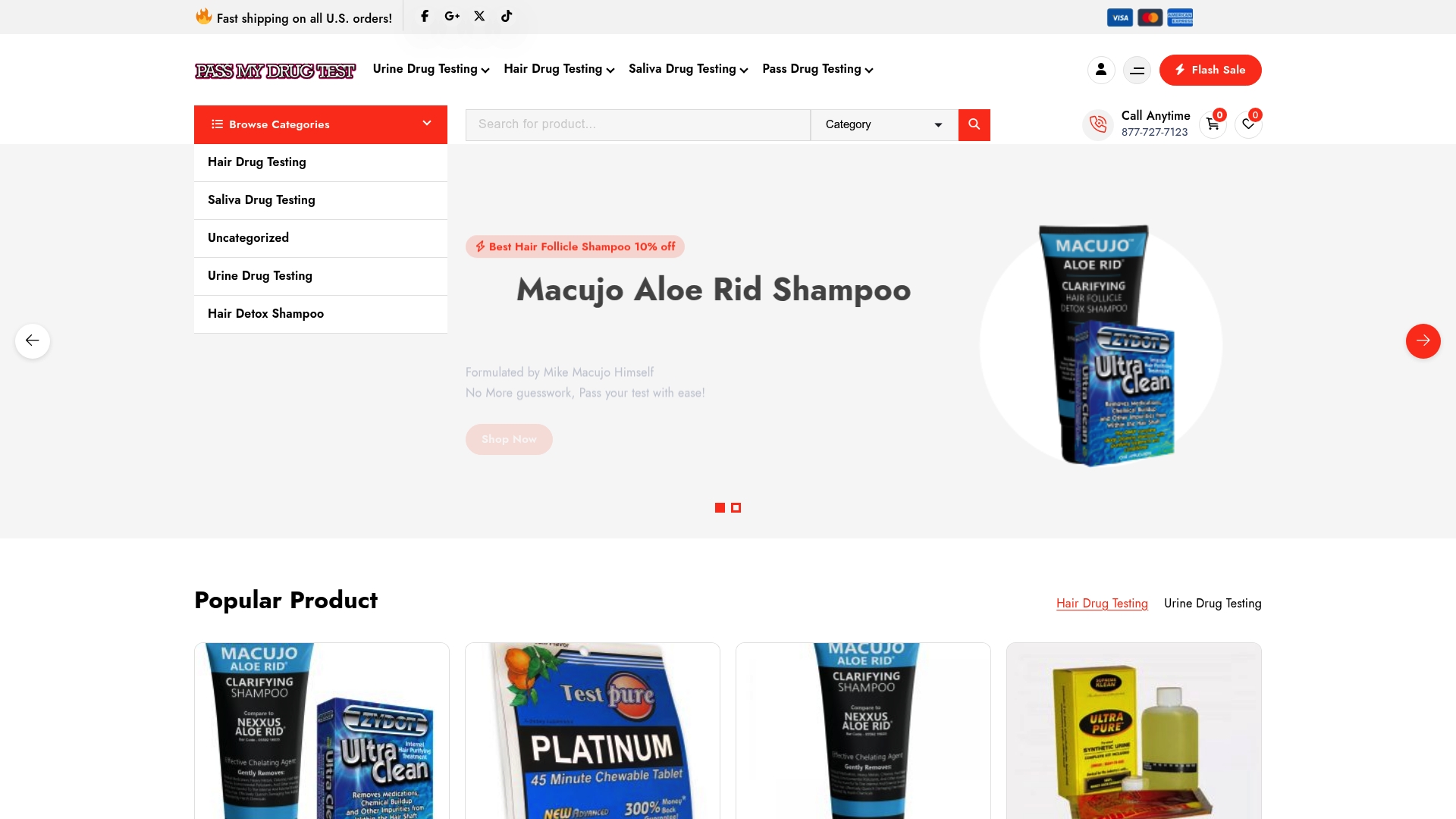
We sell products matched to each method: urine, saliva and hair drug testing options, plus hair detox shampoo, and the guides to go with them. If you need to know where you stand first, our at-home test kits can help you plan. You can browse everything on the Pass My Drug Test store, or start with our guides to employee urine drug testing and how workplace testing policies work in the USA.
Our team is available by phone during published business hours if you want help choosing for your specific situation.
Questions to ask before your next test
- Which specimen type will be collected: urine, saliva or hair?
- Is the test a pre-employment, random, post-accident or reasonable-suspicion screen?
- Does the policy say how a non-negative screen is confirmed?
- Will an MRO review results, and how do I reach them?
- How long do I have to contest or explain a positive?
Writing these answers down gives you a plan, whatever the result.
FAQ
Can I be fired for failing a drug test at work?
In many states, yes, if your employer’s written policy allows it. Some states add steps first, such as Minnesota’s general requirement to offer counseling or rehabilitation before discharging someone for a first confirmed positive. Check your policy and your state’s rules.
Can an employer withdraw a job offer after a failed pre-employment test?
In most states, an employer may rescind a conditional offer after a failed pre-employment drug test. Exceptions include prescription-related disability protections and some state cannabis protections. Some states, such as Minnesota, bar withdrawing an offer based only on an unconfirmed initial positive.
What happens if a screen is positive but I took a prescription?
Tell the MRO or reviewer immediately and provide documentation. Under DOT rules, a valid prescription supplied in time may support changing a verified positive to negative. Non-DOT employers set their own review steps, so ask what yours are.
Does a failed test show up for future employers?
A failed pre-employment test may be documented in the employer’s records, but it is generally kept confidential. If a screening company produced the report, the FCRA may give you notice and a chance to respond before an employer acts on it.
Sources
- NIDA: Drug Testing
- MedlinePlus: Drug Testing
- SAMHSA: Medical Review Officer Guidance Manual for Federal Workplace Drug Testing Programs
- GoodHire: What Happens If You Fail a Drug Test?
- FMCSA: What if I fail or refuse a test?
- 49 CFR 40.191
- 49 CFR 40.149
- FindLaw: FAQ on Pre-Employment Drug Testing
- Pilkington Barnes Hind v. Superior Court (1998)
- Justia: Drug Testing Laws in Employment, 50-State Survey
- Georgia Code 34-9-414
- LawHelpMN: Background Checks, Medical and Drug Tests
- JD Supra: Clearing the Fog
- Minnesota Drug Testing Law summary